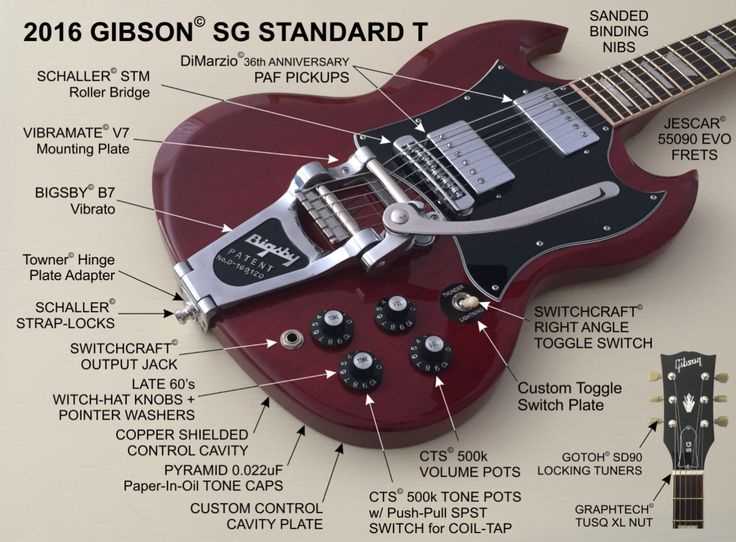
Knowing how each element of your instrument functions can greatly improve your playing experience. For instance, the pickup is a key factor in shaping the tone and sound. Different types of pickups offer unique qualities, from warm, rich sounds to bright, sharp tones. Understanding how to adjust and select the right one for your playing style can have a noticeable impact on your sound.
Another important aspect is the bridge, which directly affects the instrument’s tuning stability and intonation. If you are playing in different tunings or bending notes frequently, the quality of the bridge and its setup will be vital to maintaining proper pitch. Whether you’re using a tremolo system or a fixed bridge, each type has its own set of maintenance needs and tuning benefits.
Lastly, the electrical wiring connects all the components, allowing for a seamless flow of sound. The way components like the tone and volume knobs interact with the pickups determines how easily you can shape your tone. It’s worth understanding the wiring layout to troubleshoot any potential issues, improve signal clarity, or even customize your setup to suit specific preferences.
Understanding the Layout of Your Instrument’s Components
Each component of your instrument serves a specific function that directly impacts its performance and sound quality. Begin with the neck, which houses the frets and fretboard. This section is key to playability. A smooth, well-maintained neck ensures that your fingers can move freely across the strings, which is crucial for both speed and accuracy.
Next, the pickups sit under the strings and capture their vibrations. These components translate string motion into an electrical signal, which is then amplified. The distance between the pickups and the strings plays a significant role in tone quality. Adjusting pickup height can alter the instrument’s output, making it sharper or warmer depending on your preference.
The bridge holds the strings in place and is pivotal for tuning stability. Different types, such as a fixed bridge or a floating system, affect how the instrument responds to bends and how easily it stays in tune. If you’re using a tremolo, ensure that the bridge is properly set up to allow smooth motion without causing tuning instability.
Lastly, the controls (tone and volume knobs) shape the signal before it’s sent through the amplifier. Understanding the role of each knob allows for precise tonal adjustments. Experiment with different settings to discover a wide range of sounds and make quick tonal changes during performance or practice.
Understanding the Role of the Pickups in Sound Production
Pickups are responsible for converting string vibrations into an electrical signal, which is then amplified. The placement and type of pickups can significantly influence your instrument’s tonal quality. For example, single-coil pickups produce a bright, clear tone with more noise, while humbuckers generate a thicker, smoother sound with reduced hum. The closer the pickups are to the strings, the stronger the signal and the more pronounced the sound, but this can also lead to unwanted distortion if set too high.
Adjusting the pickup height allows for subtle changes in tone. Lowering the pickups can reduce output and increase clarity, while raising them brings more volume and a punchier sound. Experiment with these settings to find the optimal balance for your playing style.
Another factor to consider is the position of the pickups along the body. The bridge pickup captures brighter, sharper tones, while the neck pickup yields warmer, fuller sounds. Switching between these two positions can help create a diverse range of tones suited for different genres and playing techniques.
How the Bridge Affects Tuning and Playability
The bridge plays a key role in maintaining stable tuning and overall playability. A high-quality bridge ensures that strings remain in tune during heavy playing or string bending. Fixed bridges, like the Tune-O-Matic, offer excellent tuning stability and are easier to set up, making them ideal for players who prefer consistent pitch. On the other hand, tremolo systems allow for pitch modulation but require more precise tuning adjustments to maintain stability.
The intonation of the instrument is also heavily influenced by the bridge. A properly adjusted bridge ensures that each note is in tune across the fretboard, especially when fretting notes higher up the neck. Intonation issues arise when the bridge isn’t positioned correctly, leading to sharp or flat notes. Regularly checking and adjusting the bridge can prevent these problems, ensuring better tuning accuracy.
For players who use bending techniques or dive bombs, a floating bridge allows for more dramatic pitch shifts but requires a careful setup to prevent unwanted detuning. It’s important to regularly check the tension of the springs that hold the bridge in place, as they can affect how stable the system remains during intense play.
Wiring and Electronics: Connecting Components for Optimal Performance
The wiring and electronics play a pivotal role in delivering the desired sound from your instrument to the amplifier. A clean, well-organized circuit ensures that the signal is transmitted with clarity and minimal interference. Below are key elements to consider:
- Volume and Tone Pots: These control the strength and character of the signal. Proper wiring ensures smooth operation, allowing precise adjustments of both volume and tone.
- Capacitors: These components shape the high-frequency response, especially in the tone circuit. Experimenting with different capacitor values can drastically alter your sound’s brightness or warmth.
- Switches: The pickup selector switch allows you to choose which pickups are active. A high-quality switch ensures consistent performance and reduces signal noise.
- Grounding: Proper grounding prevents electrical hum and interference. Make sure all components are grounded securely to avoid unwanted noise during play.
To optimize performance, consider using higher-quality potentiometers and switches, as they offer better durability and smoother adjustments. Additionally, regular maintenance of the wiring helps to prevent signal loss or degradation, ensuring that your setup always delivers the best possible sound.