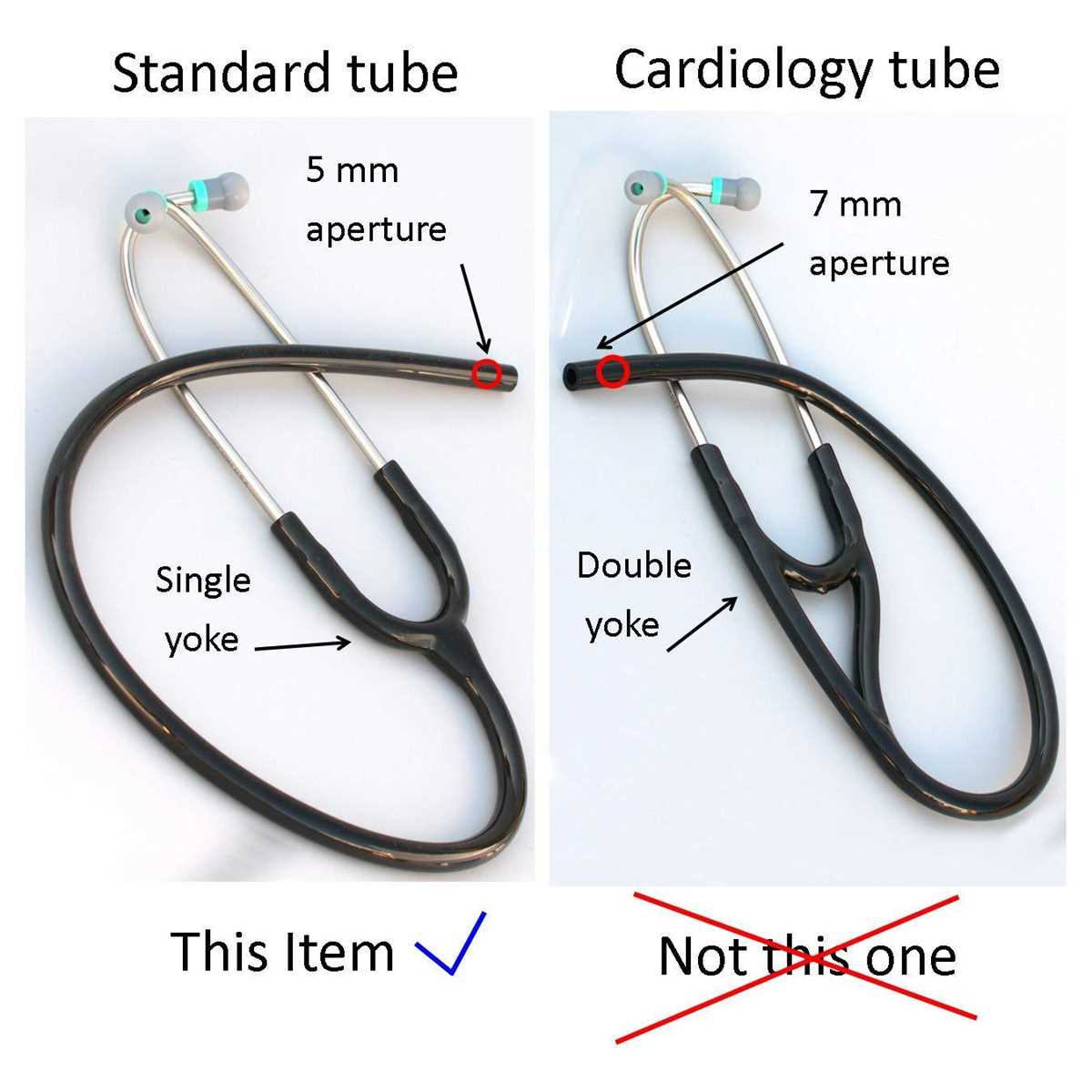
If you’re noticing any issues with the functionality of your medical listening device, it’s crucial to first identify the malfunctioning components. The most common reasons for poor performance often involve the chest piece, tubing, or ear tips. Check each part individually to diagnose whether cleaning, repair, or replacement is necessary.
The chest piece typically includes a diaphragm and a bell, which require periodic maintenance to ensure proper sound transmission. Regular cleaning with alcohol wipes can prevent blockages and improve acoustic performance. Also, ensure that the diaphragm is securely attached to avoid any distortion during use.
Next, examine the tubing. Over time, it may become brittle or cracked, which compromises sound quality. If you notice any visible signs of wear, consider replacing the tubing to restore optimal functionality. This component is especially sensitive to temperature and UV exposure, so storing your equipment properly is key to its longevity.
Lastly, don’t overlook the ear tips. These may wear down or collect dirt, affecting comfort and sound isolation. Ensure a proper seal by replacing them regularly, and always clean them after each use to prevent ear infections or discomfort.
Medical Listening Device Components Breakdown
The first component to inspect is the chest piece. It typically contains a diaphragm and a bell. The diaphragm is used for detecting higher frequency sounds, while the bell picks up lower frequency noises. If either component becomes cracked or loose, sound quality may degrade significantly. Ensure both are clean and securely attached to avoid sound distortion.
Next, the flexible tubing connects the chest piece to the ear tips. Over time, tubing can crack or stiffen, resulting in poor sound transmission. If you notice any signs of wear, replace the tubing promptly to restore optimal performance. Proper storage is also crucial to prevent premature damage to this part.
Ear tips are another critical element to check. They help maintain a proper seal in the ear canal, which is necessary for accurate sound isolation. If the ear tips are damaged or worn out, replace them with the correct size for a comfortable fit and effective acoustic isolation. Cleaning ear tips regularly is also advised to prevent infection or discomfort.
Identifying Key Components of a Medical Listening Device
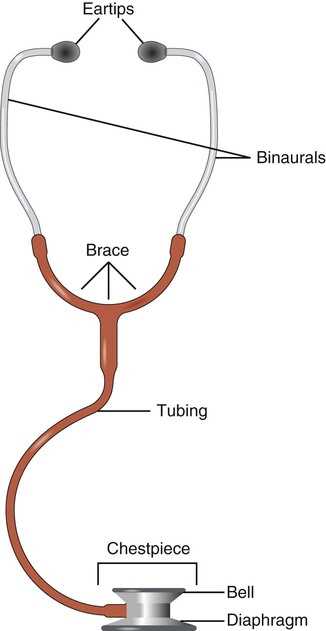
The main elements that require attention in this tool include:
- Chest Piece: It houses both the diaphragm and the bell. The diaphragm is for high-frequency sounds, while the bell is for low-frequency sounds. Ensure both are properly sealed and free of cracks.
- Flexible Tubing: This part connects the chest piece to the ear tips. Over time, tubing may wear out, crack, or lose flexibility. Regularly check for leaks or signs of damage.
- Ear Tips: These provide a comfortable fit and ensure proper sound isolation. Ensure the ear tips are clean and securely attached to the tubing. If they are too worn or uncomfortable, replace them with suitable replacements.
- Headset: The part that connects the tubing to the ear tips. Make sure the headset is in proper alignment and not bent or damaged, as it could affect the fit and comfort.
Regular inspection of each component will ensure clear sound quality and comfort during use. Replace any damaged or worn parts promptly for consistent performance.
Common Issues with Medical Listening Device Components and Fixes
Cracked or Loose Chest Piece: If the chest piece becomes cracked or loose, it can cause sound distortion. To fix this, carefully inspect the piece and replace any broken components. Ensure the diaphragm and bell are securely attached.
Faded Sound Quality: This issue often arises from damaged tubing or ear tips. Inspect the tubing for cracks or blockages. Clean or replace the ear tips for better sound isolation. If sound is still unclear, check the diaphragm for any obstruction or wear.
Leaking Tubing: Leaks in the flexible tubing can cause poor audio transmission. Inspect for visible cracks or holes and replace the tubing if necessary. Tighten any loose fittings connecting the tubing to other parts.
Ear Tips Discomfort: If the ear tips are uncomfortable or not properly sealing, replace them with softer or larger options. Ensure a tight fit for better acoustic performance and comfort.
Headset Misalignment: Misalignment of the headset can affect comfort and sound delivery. Gently adjust the headset to ensure it fits comfortably and evenly. If the headset is bent or broken, replace it with a new one.
How to Properly Maintain and Clean Medical Listening Device Components
Clean the Chest Piece: Use a soft cloth and mild soap or a disinfectant wipe to clean the chest piece after each use. Avoid abrasive cleaners that could damage the surface. Disinfect regularly to reduce the risk of cross-contamination.
Care for the Tubing: Wipe down the tubing with a damp cloth and allow it to air dry. Avoid submerging the tubing in water as it can damage the material. Check the tubing periodically for cracks or wear, replacing it if necessary.
Disinfect Ear Tips: Clean ear tips with warm water and mild soap after each use. For a deeper clean, use alcohol wipes. Ensure the tips are securely attached to the headset to maintain proper fit and comfort.
Storage and Handling: Always store the headset in a protective case to prevent damage. Avoid leaving it in extreme temperatures or exposed to direct sunlight for prolonged periods, as this can degrade the materials.
Check for Wear and Tear: Inspect all components for signs of damage or wear, such as cracks, loose fittings, or degraded rubber. Replace any damaged pieces immediately to ensure proper function and sound clarity.