To ensure smooth and reliable operation, it’s critical to regularly inspect the core elements of your industrial machinery. Identifying and replacing worn-out or damaged components can extend the equipment’s lifespan and improve overall performance. Begin by focusing on the main mechanical and hydraulic systems that support the lifting and moving functions. These systems are often the first to show signs of wear due to constant use and exposure to heavy loads.
The hydraulic mechanism, responsible for providing power, should be monitored for fluid levels, leaks, and any signs of performance degradation. It’s advisable to replace seals and hoses periodically to avoid potential failures. Likewise, the lifting arms, forks, and other load-bearing parts must be checked for cracks, bending, or other physical damage that could affect stability. Ensure that all pivot points are properly lubricated to minimize wear and friction.
Electrical systems should also be carefully inspected for wiring issues, short circuits, or faulty components. Testing the battery, alternator, and electrical connections regularly helps prevent electrical malfunctions that could lead to downtime. Always follow the manufacturer’s guidelines when making repairs or replacements to maintain the machine’s efficiency and safety standards.
Fork Truck Components Breakdown and Their Functions
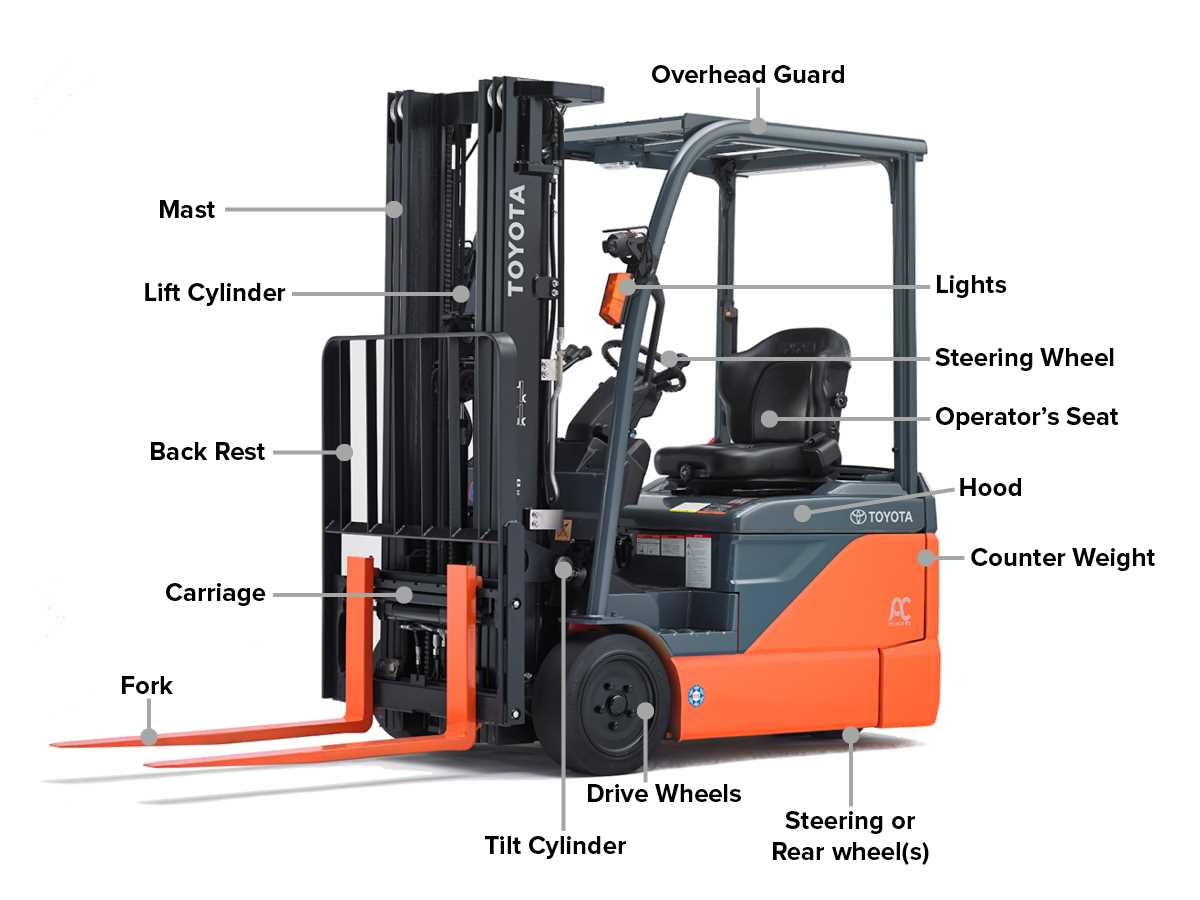
The hydraulic cylinder is a key component, converting fluid pressure into mechanical force. This enables the lifting mechanism to raise and lower heavy loads. Regularly check for leaks and ensure the cylinder is functioning smoothly to maintain consistent lifting power.
The lifting forks are another critical part, directly engaging with the load. Inspect them for signs of bending, cracking, or wear. They must be properly aligned to ensure safe handling of materials. Always replace any damaged forks to avoid potential hazards during operation.
The mast assembly is responsible for vertical movement. It includes the rails and rollers that guide the lifting forks. Make sure the mast is clean and properly lubricated to reduce friction. If the mast becomes misaligned, it can affect lifting efficiency and stability.
The hydraulic pump is the heart of the hydraulic system, delivering the necessary pressure for lifting and tilting functions. Regular maintenance of the pump is required to prevent loss of power or malfunction. Check the fluid levels and ensure the pump is operating within the recommended pressure range.
The drive system consists of the motor, transmission, and wheels. These elements are responsible for moving the equipment forward and backward. The motor should be serviced periodically to ensure optimal performance, while the transmission must be checked for fluid leaks or irregular shifting.
Finally, the electrical system controls various aspects such as lights, alarms, and safety features. Regularly inspect wiring for signs of wear or damage, and test all electrical components for proper operation to ensure safe and efficient use of the machinery.
How to Identify and Replace Key Fork Truck Components
Inspect the lifting forks for any visible cracks or signs of bending. If any damage is detected, measure the fork’s dimensions to ensure they match the manufacturer’s specifications. Replace damaged forks immediately to avoid operational failure. Use proper lifting equipment and tools for removal, ensuring all bolts are securely tightened upon installation of the new forks.
Check the hydraulic cylinder for leaks or visible damage, especially around the seals and piston. If the cylinder fails to maintain pressure or leaks hydraulic fluid, replace the seals or the entire cylinder. Make sure to drain the hydraulic system completely before removal and installation of a new cylinder. Fill the system with the recommended fluid after replacing the component.
Examine the mast assembly for signs of misalignment or damage. The rollers and rails should be free from debris and wear. If the assembly is crooked or the rollers are worn down, replace them. Align the mast correctly and lubricate it to reduce friction, which helps in smooth vertical movement.
The hydraulic pump must be checked regularly for fluid levels and unusual sounds. If the pump is unable to maintain the required pressure or generates excessive noise, it may need to be replaced. Disconnect the power and hydraulic lines before removing the pump and install the new one according to the manufacturer’s guidelines. Ensure that the new pump operates under the recommended pressure levels.
Inspect the motor and transmission for any irregularities, including strange noises, overheating, or inconsistent movement. If the motor fails to operate correctly, it may need to be replaced. Before replacing the motor, check the connections and cables for corrosion or damage. When replacing the motor, ensure all wiring is correctly connected and insulated, and test the motor under load conditions.
Lastly, the electrical system should be inspected for frayed wires, burnt-out fuses, or malfunctioning switches. Replace any faulty wiring, fuses, or switches immediately. Use a multimeter to test continuity and voltage in the system to confirm proper function. Ensure all electrical components are securely mounted and insulated to prevent electrical shorts.
Common Issues with Fork Truck Components and How to Fix Them
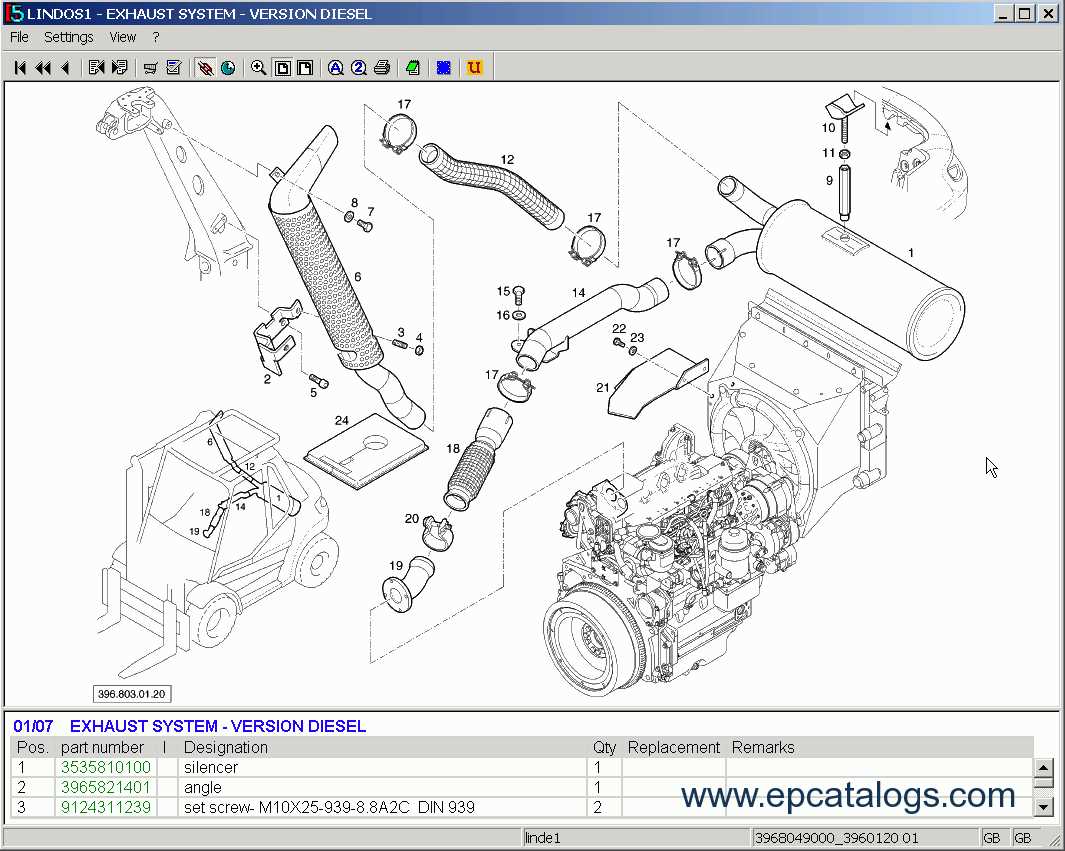
One frequent issue is hydraulic fluid leakage. If the system loses fluid, inspect the hydraulic hoses and seals for cracks or damage. Replace any worn seals or broken hoses to restore system pressure. Tighten connections and check for leaks after repairs to ensure proper functionality.
Another common problem is the lifting mechanism getting stuck or moving slowly. This could be caused by dirt or debris in the rails or worn-out rollers. Clean the assembly thoroughly and lubricate the rails. If the rollers show excessive wear, replace them to ensure smooth vertical movement.
The lifting forks may become bent or damaged, especially under heavy loads. If the forks appear deformed, measure them against the manufacturer’s specifications. If they are out of tolerance, replace them immediately to prevent further damage to the machine or unsafe lifting operations.
Electrical faults, such as a malfunctioning motor or faulty wiring, can cause operational interruptions. If the motor doesn’t start or operates intermittently, check the connections and fuses for continuity. Replace any broken components and ensure all wiring is properly insulated to prevent shorts.
A common transmission issue is slipping gears or unresponsive movement. Check the fluid levels and inspect for signs of worn gears or damaged components. If the fluid is low, refill it with the recommended type. For damaged parts, replace the worn gears or components promptly to avoid further damage.
Finally, an often-overlooked problem is the battery losing charge quickly or not holding power. Inspect the battery terminals for corrosion and clean them if necessary. If the battery is old or showing signs of failure, replace it with one that matches the machine’s specifications.