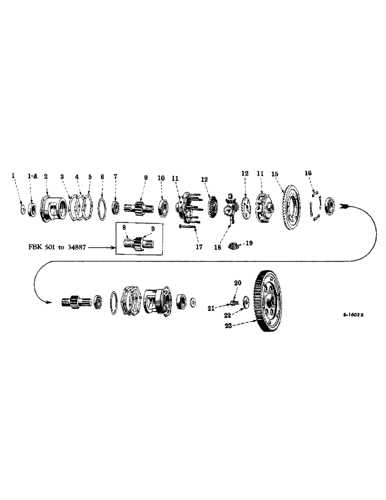
If you need to replace or repair any component, the first step is identifying the correct parts. Check the engine for any signs of wear, especially the spark plug, carburetor, and air filter. These parts are frequently the cause of starting issues and should be replaced regularly to maintain engine performance.
Next, examine the drivetrain, which connects the engine to the wheels and tilling mechanism. Look for any damage to the belt or pulley system. Misaligned or worn-out components here can cause the machine to lose power or stop functioning entirely.
Blades are another critical part of your machine’s performance. Ensure the blades are sharp and aligned. Check for any rust or chips, which can negatively impact the cutting ability. If necessary, replace them to ensure proper soil cultivation.
Detailed Breakdown of Tractor Components
Start by identifying the engine assembly. This includes components such as the carburetor, air filter, spark plug, and fuel lines. Inspect these parts regularly for buildup or wear. Replace the air filter if it’s clogged and clean the carburetor to ensure smooth engine operation.
Next, check the transmission system. The belt and pulley configuration plays a significant role in transferring power from the engine to the wheels and working parts. Examine these components for any wear, fraying, or misalignment. A faulty belt or pulley can lead to loss of power or malfunction.
Blades or tilling attachments need periodic inspection to ensure they are sharp and free from damage. Over time, these parts can become dull or bent, reducing the machine’s effectiveness. If you notice any visible damage or rust, it’s time to replace them for better performance in soil preparation.
Finally, inspect the wheel and axle assembly. Ensure that the wheels rotate smoothly and that the axle is properly lubricated. Worn-out wheels or a misaligned axle can make the machine difficult to control and reduce its overall efficiency. Replacing damaged wheels is simple and can significantly improve handling.
How to Identify and Replace Engine Components in the Tractor
Start by disconnecting the spark plug wire to avoid accidental starts. Remove any covers or guards obstructing access to the engine components. The main areas to focus on are the carburetor, spark plug, and air filter.
For the carburetor, inspect for any debris or buildup. Clean it using a carburetor cleaner and ensure all passages are free of blockages. If it’s severely damaged or worn, replace it with a new one.
The spark plug should be checked for wear, corrosion, or buildup. If the gap is incorrect or the plug is dirty, clean it or replace it with a new one to ensure optimal ignition.
Examine the air filter for dirt or clogs. A clogged filter restricts airflow to the engine and can cause poor performance. If it’s too dirty to clean, replace it with a new one for better engine efficiency.
If you notice starting issues or poor engine performance, check the fuel lines for leaks or cracks. If damaged, replace the fuel lines to ensure a secure fuel supply to the engine.
Finally, always lubricate moving parts like the engine bearings and check for any signs of wear or oil leaks. Regular maintenance of these components will ensure smooth engine operation.
Understanding the Transmission and Drive Mechanism in the Tractor
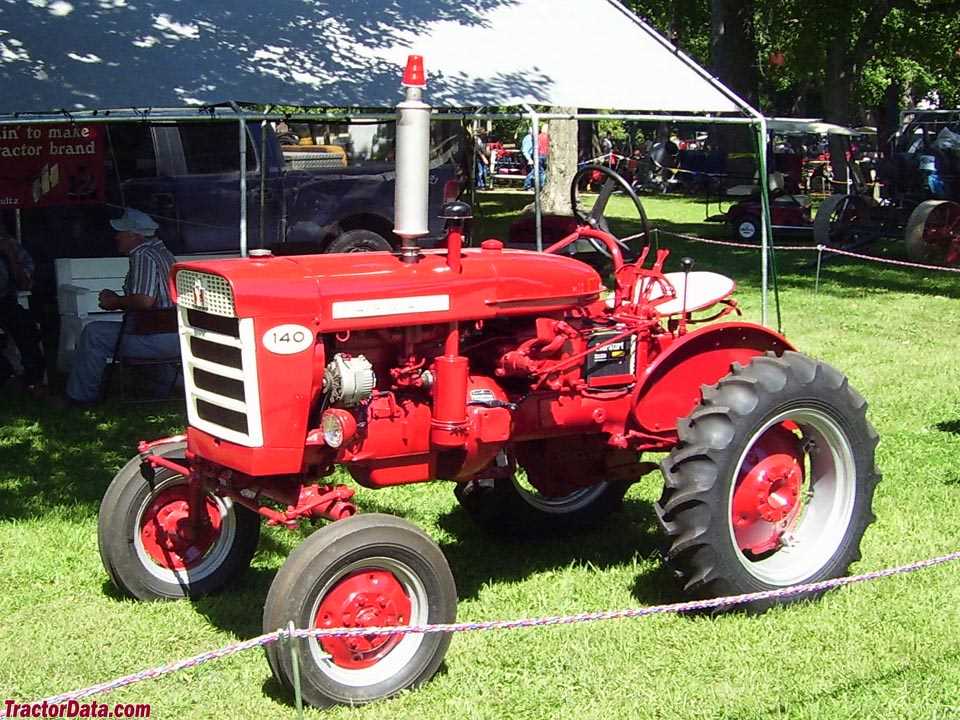
Inspect the belt and pulley system regularly. These parts are responsible for transferring power from the engine to the wheels and tilling components. A worn or misaligned belt can cause slippage or loss of power, so ensure the belt is in good condition and properly tensioned.
Check the gearbox for any signs of oil leaks or damage. The gearbox plays a vital role in controlling speed and power distribution. If you notice any unusual noises or difficulty in changing gears, it may indicate a problem within the gearbox that requires attention.
Examine the drive shafts and linkages for any signs of wear or damage. These parts connect the engine to the wheels and tilling mechanisms, and any damage can affect overall performance. Replace worn-out components promptly to avoid further damage to the drive system.
Lubricate the drive components regularly to prevent friction and ensure smooth operation. Check the grease fittings and ensure they are clean and functioning properly, as insufficient lubrication can lead to overheating and component failure.
Step-by-Step Guide to Maintaining and Replacing the Blades
Begin by ensuring the machine is off and the spark plug wire is disconnected to prevent accidental starts. Raise the tiller or support it securely to access the blades.
Use a wrench to remove the bolts securing the blades to the mounting hub. Carefully slide the blades off their spindle or shaft. Inspect the blades for damage such as cracks, chips, or significant wear.
If the blades are worn out or damaged, replace them with new ones. Ensure the new blades match the correct size and mounting pattern for your machine. Align the holes of the new blades with the spindle and secure them with the bolts.
Before tightening the bolts, check the blade alignment. Ensure they are set correctly and have adequate clearance for smooth rotation. Tighten the bolts securely, making sure the blades are firmly in place.
After replacing the blades, check for any signs of misalignment or loose connections. Test the machine briefly at low speed to ensure proper blade rotation and function. Re-tighten any bolts if necessary.