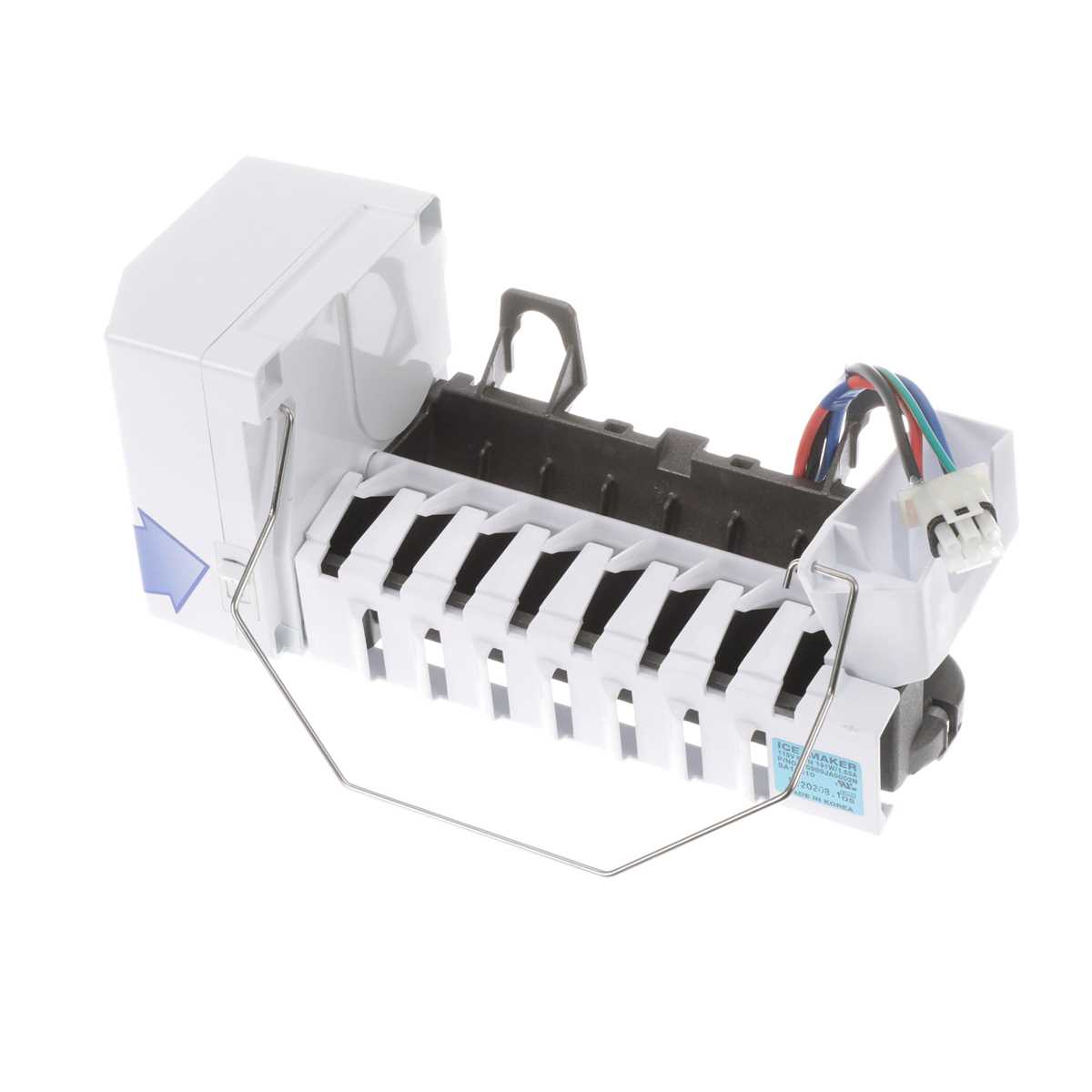
Match the exact model number and revision code on the cabinet label before checking any layout chart. Small changes affect heater wattage, sensor type, and fill valve timing, which determines compatibility during service.
Use the exploded layout to track the full water and electrical path. The mold assembly connects to the thermostat, heater, and motor module, while the inlet circuit shows the valve coil, tube routing, and connector pins. Following this path helps pinpoint where flow or power stops.
Check specifications listed near each callout. Voltage ratings, resistance values, and connector styles are often noted. Measure coil resistance with a multimeter and compare it to the listed range to confirm whether a component has failed.
Keep the layout visible during disassembly. Remove items in the order shown and place fasteners next to their matching callouts. This prevents reversed wiring, pinched tubes, and misaligned mounts during reassembly.
Reading the LG Ice Maker Parts Diagram by Model Number and Revision
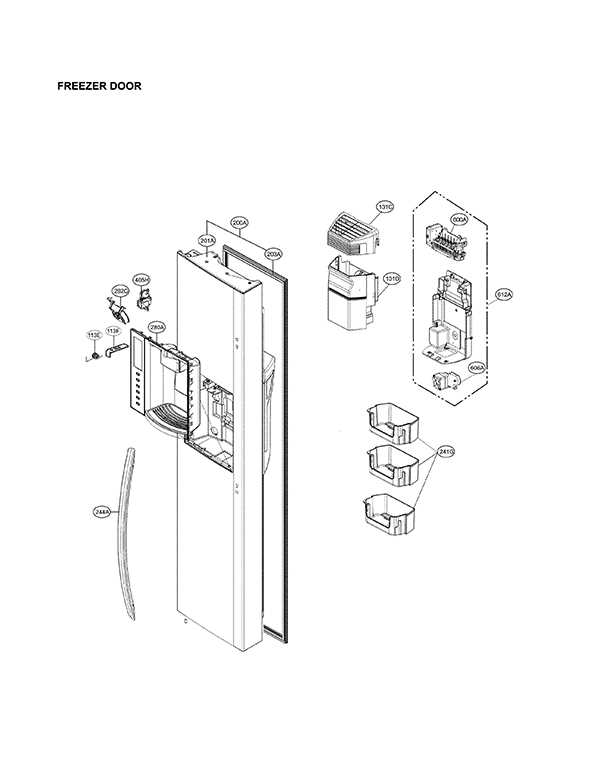
Verify the full model code and revision suffix on the inner cabinet label before opening any schematic. LG often changes motor modules, sensors, and heaters between revisions that share the same base number.
Locate the alphanumeric grid reference next to each component name. These references match the bill of materials and show which assemblies are bundled together, helping confirm whether an item is serviced alone or as a unit.
Compare revision letters directly. A change from Rev A to Rev C may alter connector shapes, wire colors, or mounting tabs. The layout sheet highlights these differences with separate callouts or alternate position lines.
Follow the electrical path using connector IDs rather than wire color alone. LG reuses colors across circuits, while connector numbers stay consistent and allow accurate tracing from control board to motor, heater, or sensor.
Check annotation notes near the margins. These notes list superseded numbers, compatible substitutions, and production cutoffs, which prevents ordering items that fit earlier builds but fail to mount or connect on later units.
Using the LG Assembly Map to Diagnose and Replace Freezing Module Components
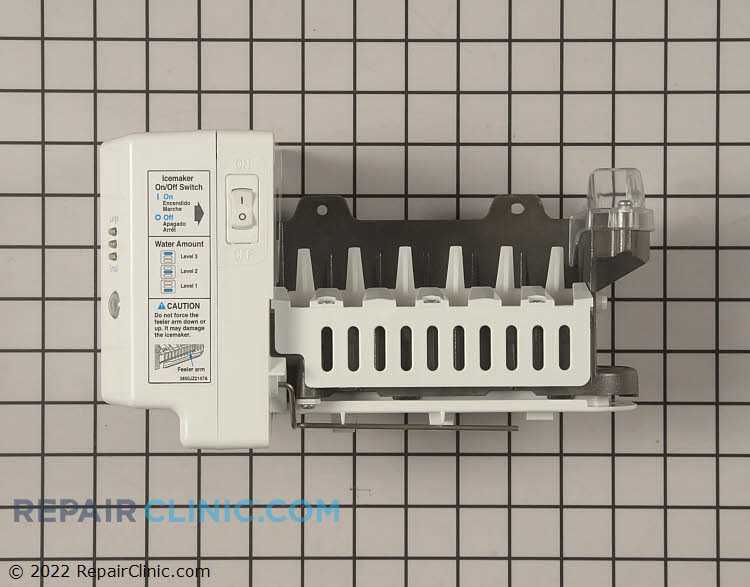
Check the fault location by matching symptom patterns to the component index shown on the layout sheet. A stalled harvest cycle usually points to the drive motor or ejector arm, while partial fill issues align with the inlet valve or level sensor.
Confirm electrical integrity before removal. Measure resistance values at the connector pins listed on the layout sheet: drive motor readings outside 180–260 Ω or a heater circuit above 120 Ω indicate replacement rather than adjustment.
Disconnect power, then follow the mounting sequence shown by fastener numbering. Removing the control housing before releasing the tray frame prevents cracked plastic tabs and misaligned shafts during reassembly.
Use the reference layout to verify connector orientation and routing paths. Incorrect plug alignment or pin offset causes repeated cycle errors, even with new components installed.
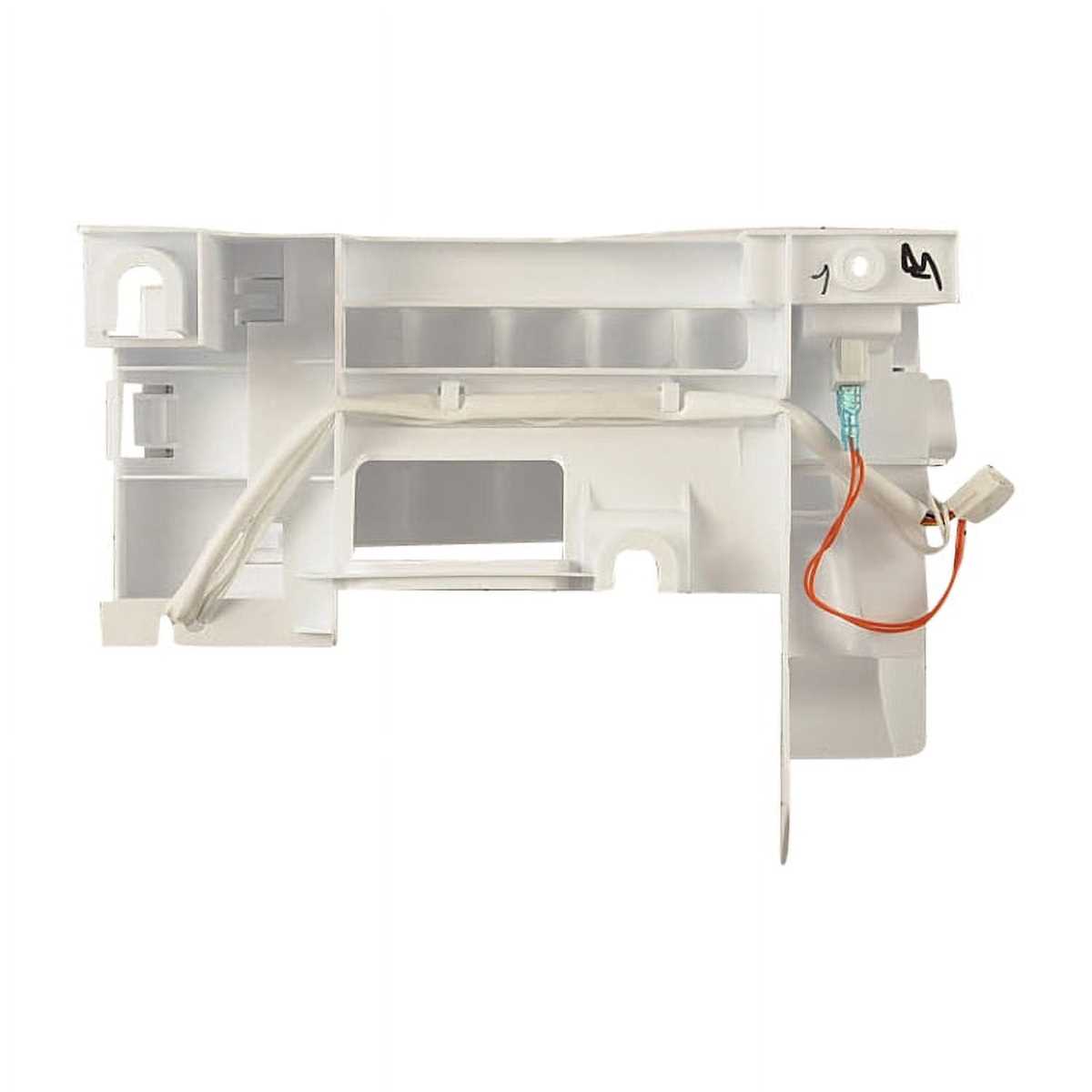
After installation, compare the final assembly position with the layout view. The ejector arm angle and sensor clearance must match the specified resting positions to restore normal cube release and refill timing.