The structure of a fuel cylinder is more complex than it might initially appear. Identifying each component and knowing its role can help in safe handling and proper maintenance. The key elements work together to control the flow, pressure, and safety of the stored substance. Whether you’re setting up a new system or troubleshooting an existing one, understanding the precise function of each part is crucial.
Regulators play a vital role in controlling pressure, ensuring that the substance is delivered at a consistent rate without risk of overloading the system. These devices manage fluctuations and prevent sudden bursts that could damage the system. Checking the regulator regularly for leaks or signs of wear is advised to maintain safe operation.
Another key feature is the valve assembly, which controls the release of the gas. A well-functioning valve ensures that no gas is released unintentionally. The presence of safety mechanisms within these systems, such as a shut-off valve or excess flow valve, can be the difference between routine operation and dangerous situations.
Hoses and fittings are equally important. They serve as the connection between the gas storage and the appliance. Choosing the right size and ensuring a secure fit can prevent leaks. Inspect these connections frequently, as wear and tear from exposure to heat or physical damage may cause failures.
Key Components of a Gas Cylinder
The gas cylinder consists of several integral elements that control its functionality and safety. The body is the most visible part, designed to store the pressurized gas safely. The valve, attached to the top, regulates the gas flow and seals the container when not in use. A pressure gauge is often installed near the valve, providing real-time pressure readings to ensure safe handling. The relief valve prevents over-pressurization by releasing excess gas if needed. A collar surrounds the valve to provide protection from physical damage. The foot ring, located at the bottom, stabilizes the unit and prevents rolling when stored. Understanding the placement and purpose of each part ensures proper use and maintenance of the cylinder for various applications.
Understanding the Valve Assembly of a Propane Cylinder
The valve assembly plays a pivotal role in regulating the flow of fuel from the cylinder. A detailed understanding of its components and function is crucial for safe operation.
- Shut-off Valve: The primary control for gas flow. It is manually operated to either open or close the gas pathway. Always ensure it is tightly closed when not in use to prevent leaks.
- Pressure Relief Valve: This safety feature releases excess pressure to prevent dangerous over-pressurization. It is designed to activate automatically when the internal pressure exceeds safe limits.
- Regulator Inlet: Where the regulator attaches to the valve assembly. It controls the gas pressure entering the distribution system. Inspect for any signs of wear or damage regularly.
- Safety Relief Valve: A secondary valve that activates when the tank’s internal pressure reaches a critical level. It prevents potential rupture by releasing gas into the atmosphere in a controlled manner.
- Spindle and Stem: The mechanism that connects the handle to the shut-off valve. This component must be free from corrosion to ensure smooth operation.
Inspecting the valve assembly periodically ensures that each part functions properly, reducing the risk of hazardous situations.
When using or storing the cylinder, always check the valve for leaks by applying soapy water to the valve connections. Any bubbles indicate a potential leak, which should be addressed immediately by a qualified professional.
How to Identify the Pressure Relief Valve in a Propane Cylinder
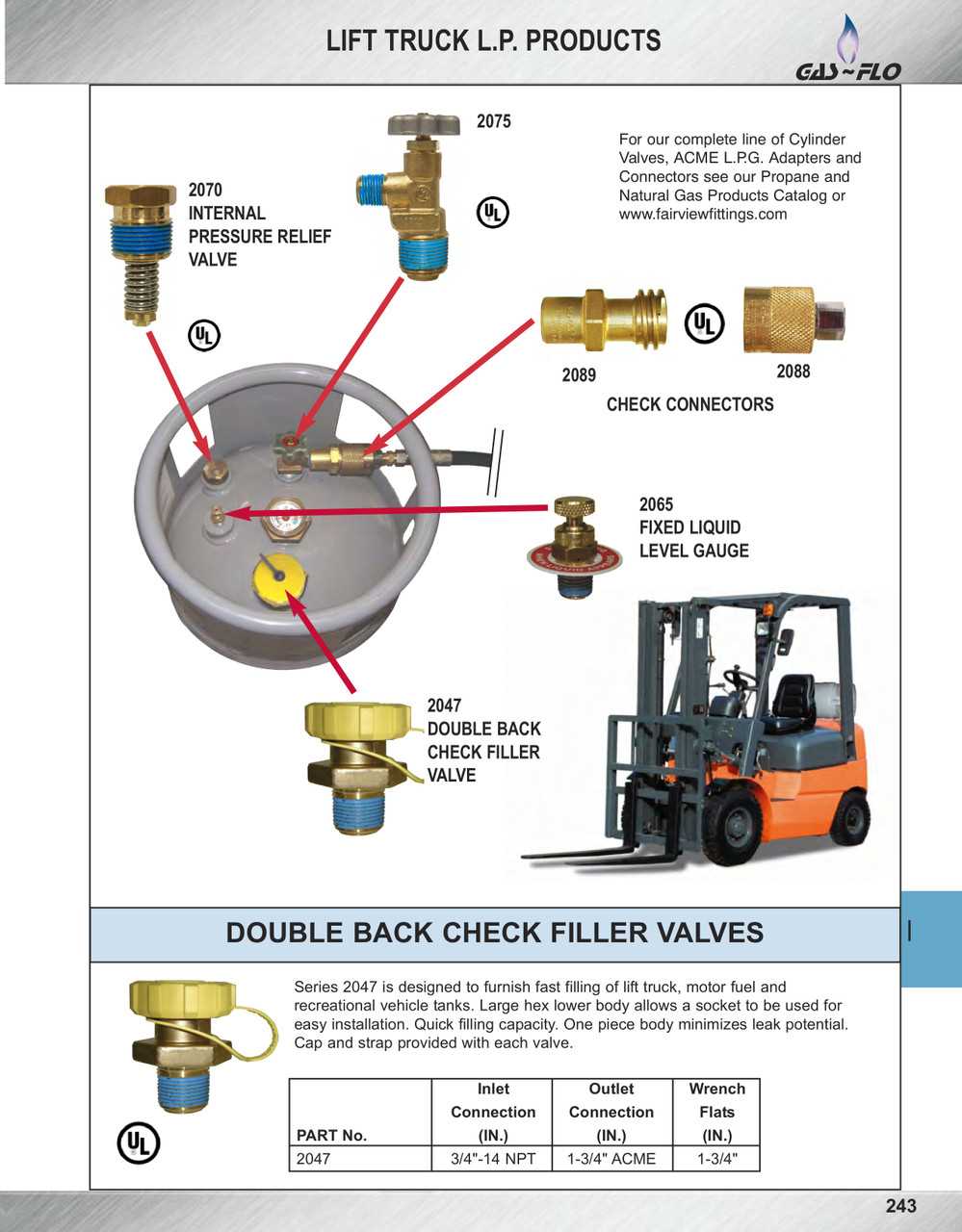
Locate the pressure relief valve near the top of the vessel. It typically features a small metal cap or a valve stem, often protruding slightly from the cylinder’s surface. This component is usually placed alongside other fittings, such as the valve that controls gas flow. It’s critical to ensure that no damage or corrosion is present on the relief valve, as this could affect its functionality.
The pressure relief valve will usually have a spring-loaded mechanism that opens if internal pressure exceeds a certain threshold, allowing gas to escape in a controlled manner. In many models, the valve is easily distinguishable by a visible marking or stamping indicating its pressure rating. Check the manufacturer’s label or markings to confirm the exact pressure settings for the specific valve in use.
In most cases, the relief valve is designed to be manually tested. By turning or pressing the valve stem gently, you should hear a slight release of gas if the internal pressure is high. Avoid direct contact with the escaping gas to prevent injury. Always use gloves and ensure proper ventilation when performing such checks.
If the valve does not show any signs of activation, it’s advisable to inspect it for blockages or debris that might hinder its operation. Cleaning or replacing a malfunctioning valve is crucial to maintain safety during use.
Role of the Dip Tube in Propane System Functionality
The dip tube directs liquid from the bottom of the vessel to the regulator, ensuring proper flow during usage. Positioned vertically within the container, it allows liquid to be drawn while preventing gas vapors from entering the delivery line. This ensures that only liquid reaches the regulator, maintaining pressure consistency and optimizing energy delivery.
A well-functioning dip tube prevents gas surges by maintaining a steady, controlled flow of liquid. Inadequate or damaged tubes can lead to inefficient vaporization or inconsistent fuel output, affecting performance. Additionally, the design and placement of the tube determine how much liquid is accessible for use, directly impacting fuel availability and efficiency.
For safe operation, inspecting the dip tube for damage or blockages is critical. Over time, wear and tear or freezing can impair its function, which may result in improper fuel delivery. Maintenance of the dip tube ensures that liquid is reliably transported for use, optimizing system functionality and safety during operation.