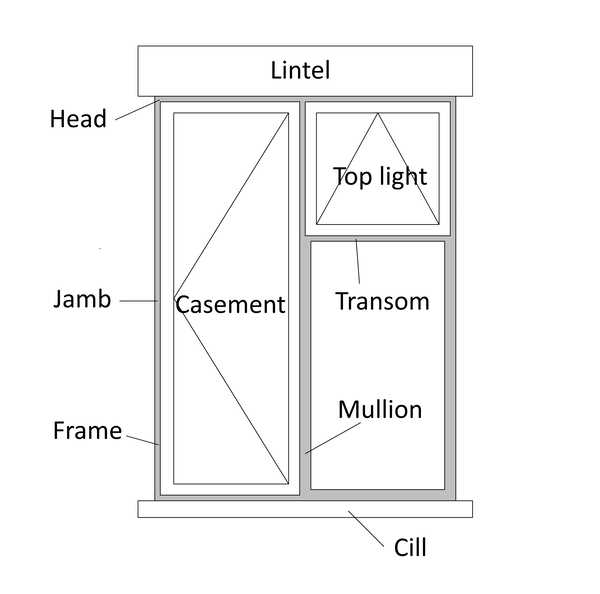
For long-lasting performance and structural integrity, it’s crucial to choose durable materials like vinyl or fiberglass for the outer structure. These materials provide significant resistance to weather, wear, and impact. Regularly check for cracks, chips, or other signs of wear that could compromise the structure’s functionality.
The support frame must be installed with precision, ensuring each section is aligned and securely fastened. Misalignment can result in poor sealing and increased energy loss, making regular inspection key. Additionally, a tight seal around joints will prevent drafts and water seepage, further extending the life of the entire setup.
Weatherstripping is a critical component to focus on. Replacing worn-out seals helps maintain thermal efficiency and reduces the need for constant temperature regulation inside. High-quality sealing materials help keep the internal environment stable, protecting both the structure and its occupants from outdoor elements.
Trim elements, although often overlooked, provide both a finished appearance and added protection. These sections help secure the frame while also contributing to aesthetic appeal. Periodic maintenance and timely replacement of these elements are important for preserving both functionality and visual appeal.
Incorporating these maintenance practices into your routine ensures the longevity and efficiency of the entire system. Regular inspections and addressing issues as soon as they arise help prevent more costly repairs down the line.
Key Components of a Window’s Outer Structure
Focus on durability and weather resistance when choosing the outer framework elements. Ensure proper sealing between each section to prevent drafts and water ingress.
- Frame – The structure supporting all other components, often made of aluminum, PVC, or wood. Its strength directly impacts the window’s overall insulation and security.
- Sill – Positioned at the base, this feature directs water away from the structure. A well-designed sill prevents damage caused by moisture accumulation.
- Head – The uppermost section that secures the top of the frame. Proper alignment ensures even pressure distribution across the entire assembly.
- Jambs – Vertical sections that frame the sides. These provide structural integrity and aid in proper sealing.
- Glazing Bead – Holds the glass in place, preventing it from shifting within the frame. It should be tightly secured to maintain insulation properties.
- Weatherstripping – Applied around the edges to prevent air leaks. Make sure the material is durable and flexible to adapt to seasonal changes.
- Flashing – Installed along the edges, it prevents water from entering the gap between the frame and the building, protecting against leaks.
- Cladding – Protective coating that shields the frame from the elements, often made of aluminum or vinyl, ensuring low maintenance and increased lifespan.
Inspect and maintain these components regularly to ensure long-term functionality and energy efficiency. Replacing damaged or worn parts early can prevent costly repairs later.
Understanding the Key Components of an Exterior Window Frame
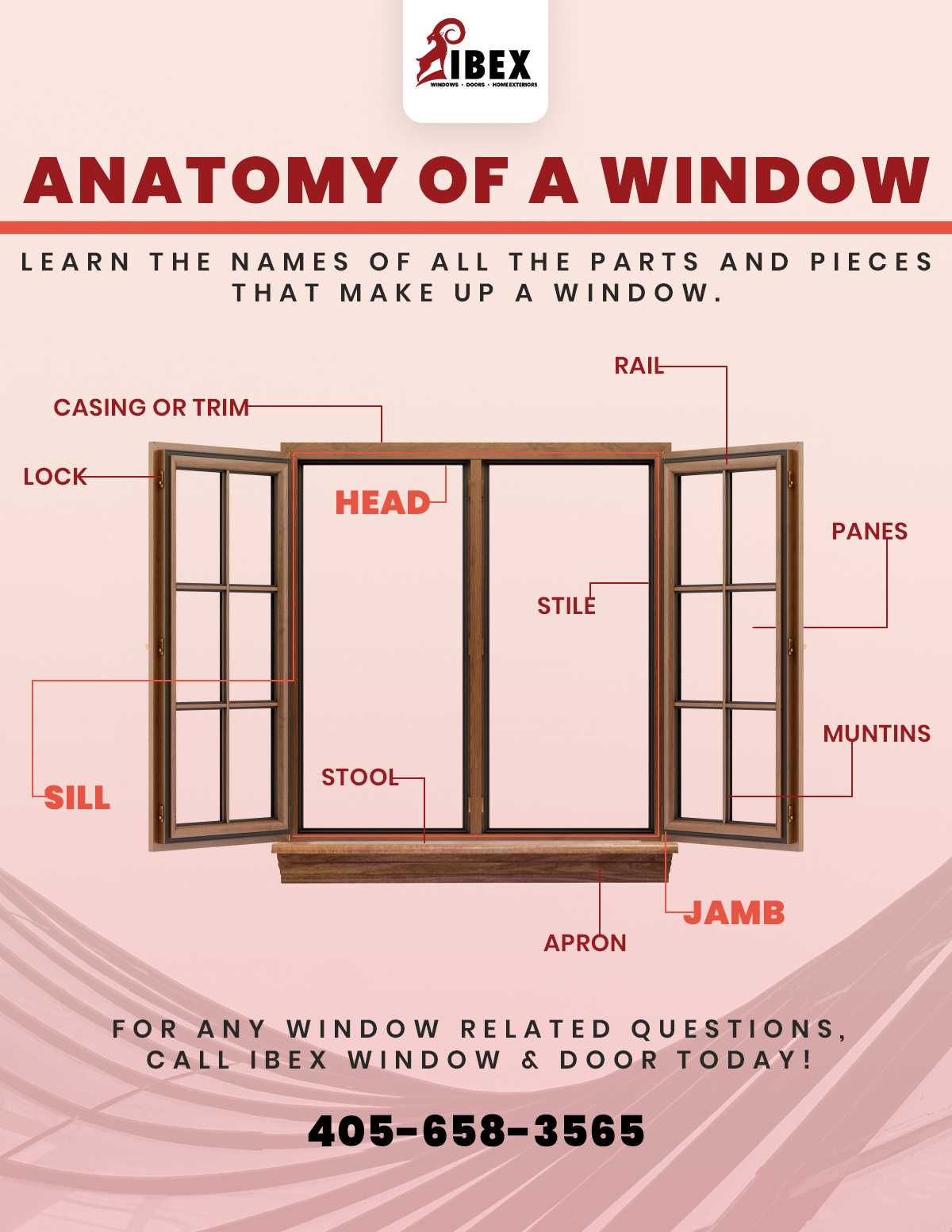
The frame’s structure plays a pivotal role in securing and supporting the glazed unit. The primary elements of the structure include the head, sill, jambs, and meeting rails. These sections interact to ensure durability and insulation.
The head is the top horizontal component, designed to resist downward pressure and direct water away from the glazing. The sill serves as the base, channeling moisture away from the unit. It is often slanted to prevent water accumulation. On either side, the jambs provide vertical support, housing the sash or other movable elements. These pieces often feature weather seals to enhance the tightness of the fit.
The meeting rails are where the movable parts converge, ensuring a tight seal when closed. The design of these rails influences the unit’s ability to prevent air infiltration and moisture damage. When selecting materials, choose options that offer both strength and weather resistance for enhanced performance.
Each component contributes to the frame’s overall ability to resist structural forces, insulate against temperature fluctuations, and withstand external elements such as wind and rain. Make sure all joints are sealed properly, as gaps can lead to significant energy loss and potential water damage over time.
How to Identify and Maintain Trim and Seals
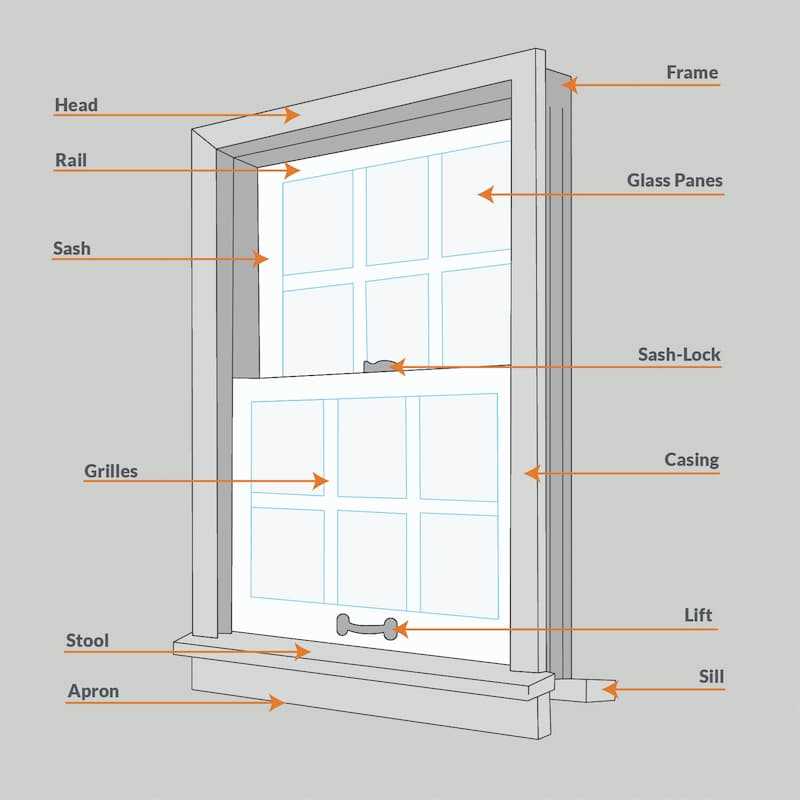
Inspect the perimeter regularly for visible cracks, gaps, or signs of wear. Any deformation in the trim or seals should be addressed immediately to prevent water leakage or air drafts. Look closely at the joints where the trim meets the frame; these are the areas most prone to damage. Apply a thin layer of silicone sealant if you notice any spaces where moisture may enter.
For longer-lasting protection, clean the trim and seals periodically with a mild soap solution. Avoid harsh chemicals that could degrade the materials. After cleaning, apply a silicone-based lubricant to keep seals flexible and to reduce friction, which can cause wear over time.
Check the fasteners and screws holding the trim in place. If any appear loose, tighten them with the appropriate tool. If a screw is stripped or damaged, replace it to maintain the integrity of the entire installation. Regular checks can help you avoid the need for major repairs down the line.
If the seals begin to lose their elasticity, they may no longer form a tight barrier against the elements. In such cases, replacing the seals promptly is necessary to maintain energy efficiency. Use high-quality replacements that match the original specifications for a proper fit.