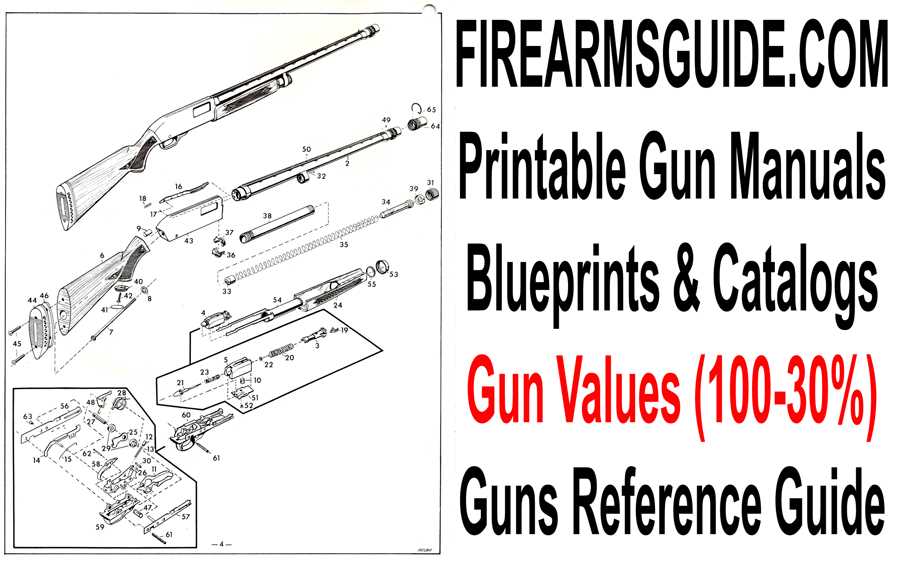
To properly maintain and repair your airgun, start by familiarizing yourself with its key components. Identify each part’s function and understand its role in the overall mechanism. The most common issues arise from wear on seals, springs, or the piston, which can be easily replaced with the right parts.
Ensure you have a complete list of the required components, such as the compression chamber, trigger mechanism, and powerplant. Regular maintenance includes cleaning the barrel and checking for air leaks in the seals. If you notice a loss of power or unusual noise, it might be time to inspect the internal mechanism and replace any faulty pieces.
For accurate repairs, always refer to the specific breakdown for your model. Using high-quality replacement parts will extend the lifespan of your airgun and enhance its performance. Don’t hesitate to replace damaged or worn-out parts immediately to prevent further damage.
Breakdown and Maintenance Guide for the Airgun Model
To ensure your airgun remains in top working condition, follow these guidelines for identifying and replacing key internal components. A few simple maintenance steps can significantly extend the lifespan and improve performance.
- Compression Chamber: Inspect for cracks or leaks. A damaged compression chamber can lead to significant loss of power. If necessary, replace the seal to maintain optimal performance.
- Spring and Piston: Over time, these components can lose their efficiency. Check the spring for signs of wear, such as bending or stretching. If the piston doesn’t move smoothly, lubrication or replacement may be required.
- Trigger Mechanism: Regularly check the trigger’s responsiveness. If the pull feels too light or heavy, adjust the tension or clean the mechanism to ensure a smooth firing process.
- Seals: Seals can wear down over time, causing air leaks. Inspect all seals regularly and replace them when needed to maintain air pressure and performance.
- Barrel: Keep the barrel clean from debris and residue. A dirty barrel can affect the accuracy of your shots. Use a soft cloth or barrel cleaning kit to remove any buildup.
For routine maintenance, disassemble the airgun carefully, noting the position of each part. Keep a replacement kit on hand with the most common components like seals, springs, and O-rings to ensure quick repairs when needed.
Always use high-quality replacements to ensure long-term durability. Regular checks, particularly before and after intensive use, will help you avoid unnecessary repairs and keep the airgun in peak condition.
Identifying Key Components in the Airgun Model
Start by locating the main assembly elements within the airgun, including the powerplant, barrel, and trigger mechanism. Each part plays a critical role in overall performance.
- Powerplant: This is the heart of the airgun. It houses the compression chamber and the spring, both crucial for generating the power needed to propel the pellet. If you experience reduced velocity or power, check this area for any damage or wear.
- Trigger Mechanism: The trigger controls the firing action. If the trigger feels stiff or too light, it may need lubrication or adjustment. Be sure to inspect the sear and trigger spring for wear, as they affect firing precision.
- Barrel: A clean barrel ensures accuracy. Make sure the bore is free of debris and rust. Any irregularities in the barrel can negatively impact shot consistency, so regular cleaning and inspection are important.
- Seals and O-rings: Seals are crucial for maintaining air pressure. Inspect them regularly to ensure no air leakage. Replacing worn or damaged seals can prevent power loss and improve efficiency.
- Sights: The rear and front sights should be aligned correctly. Misalignment can drastically reduce accuracy. Check that they are securely fixed and not damaged by recoil or wear.
Familiarizing yourself with these components and performing routine checks will help maintain the airgun’s functionality and longevity. Regular maintenance ensures consistent performance and a better shooting experience.
Step-by-Step Guide for Replacing Common Components
Follow these detailed steps to replace common components that may wear out or break over time. Make sure you have the necessary tools and replacement parts ready before starting the procedure.
- Remove the Stock and Receiver Assembly: Start by unscrewing the screws that hold the stock in place. Gently detach the stock from the receiver, being careful not to damage any internal components.
- Disconnect the Trigger Mechanism: Unscrew the trigger guard and trigger housing. This will allow you to remove the trigger assembly for inspection or replacement. Ensure that the spring is in good condition and properly aligned during reassembly.
- Replace the Seal or O-ring: If you’re experiencing air leaks or reduced power, check the seals. Remove the old seal from the compression chamber using a small flathead screwdriver. Clean the area thoroughly before inserting the new seal. Ensure it fits snugly to prevent any air loss.
- Inspect and Replace the Barrel: If accuracy has decreased or there are obstructions in the barrel, remove it from the receiver. Inspect the inside for debris or corrosion. If necessary, replace it with a new one and securely attach it back to the receiver.
- Install the New Powerplant Spring: If the spring has lost its tension, replace it with a new one. Carefully compress the spring into place, ensuring it is aligned with the cylinder and trigger mechanism. Reassemble the housing and receiver around it.
- Reassemble the Unit: After replacing any faulty components, reassemble all parts in reverse order. Tighten screws to secure the stock and trigger mechanism. Ensure everything is aligned properly before fully tightening.
- Test the Assembly: Once the airgun is fully reassembled, conduct a test shot to ensure everything is working correctly. Check the performance and accuracy. If any issues persist, repeat the steps and inspect the components again for any overlooked wear.
By following these steps, you can easily replace worn-out components and restore your airgun’s performance. Regular maintenance and timely part replacements will extend the life of your equipment and keep it in top condition.
Troubleshooting and Fixing Common Issues
If you’re experiencing issues with your airgun, here’s how to troubleshoot and fix the most common problems with the internal components.
1. Low Power or No Power: This often happens due to a worn-out spring or seal. Inspect the spring for any signs of wear, rust, or misalignment. Replace it if necessary. Also, check the seals inside the compression chamber and replace any damaged ones. Ensure the air chamber is clean and free from debris.
2. Poor Accuracy: Inconsistent shots could be caused by a dirty or damaged barrel. Clean the barrel thoroughly using a cleaning rod and patch. If cleaning doesn’t improve accuracy, inspect the barrel for damage or corrosion. If needed, replace it with a new one to restore precision.
3. Air Leaks: Air leaks often stem from a faulty seal or O-ring. Check all the seals around the compression chamber, trigger assembly, and air cylinder. Remove any worn seals and replace them with new ones, making sure to apply lubricant where required to ensure a proper seal.
4. Trigger Malfunction: If the trigger mechanism fails to operate smoothly or doesn’t engage, the internal spring may be broken or misaligned. Disassemble the trigger assembly, inspect the spring, and replace it if needed. Ensure that all components are correctly aligned during reassembly.
5. Misfiring or Jamming: A jam can occur if the internal components are misaligned or if foreign debris is present. Carefully disassemble the unit, inspect the piston and barrel, and remove any obstruction. Reassemble the parts, ensuring everything is in its proper position. Perform a test shot to ensure the issue is resolved.
6. Unusual Sounds: Strange noises could indicate internal friction or a loose part. Check the spring, piston, and other moving components for signs of wear or damage. Lubricate the moving parts with a suitable grease to reduce friction, and ensure all screws and bolts are properly tightened.
By identifying these common issues and addressing them promptly, you can maintain the performance and longevity of your equipment. Regular maintenance and part checks will ensure that your airgun operates smoothly for years to come.