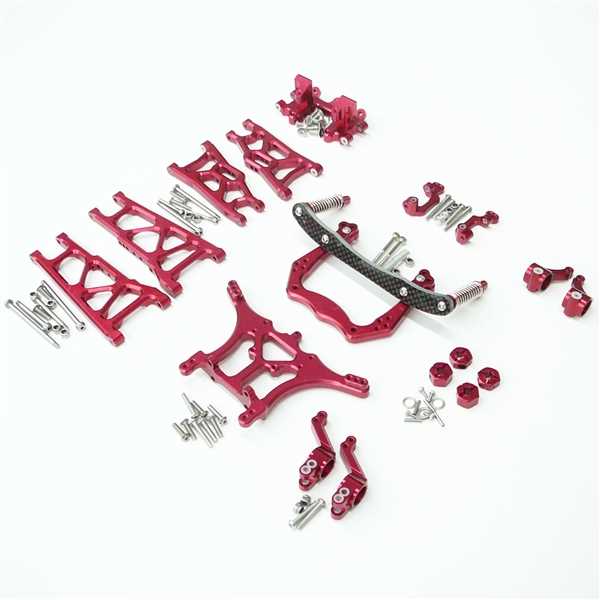
To get your remote-controlled vehicle back in action after wear or damage, start by identifying the key elements that make up the assembly. Understanding how each part functions and how they fit together is the first step in efficient repairs or upgrades. Whether you’re replacing a broken component or performing routine maintenance, knowing what goes where is vital for smooth operation.
Familiarize yourself with the most common parts, such as the suspension arms, drive shafts, and differential gears. Each of these plays a critical role in ensuring the vehicle runs smoothly. The suspension keeps the vehicle stable, the drive shafts transmit power from the motor to the wheels, and the differential gears allow for proper turning without straining the system.
Use a clear diagram or breakdown of the components to guide your assembly process. Each individual piece should be handled carefully, ensuring that screws and other fasteners are securely tightened. By keeping track of each component’s placement, you will avoid issues like slipping parts or misalignment, which can cause further damage or poor performance.
RC Vehicle Components Overview and Assembly Guide
Begin by organizing the main components of the vehicle for an easy and efficient assembly. Key parts include the chassis, suspension, wheels, drive system, and motor. Each piece must be placed in the correct orientation to ensure everything fits together seamlessly and works as intended.
The chassis forms the base of the vehicle, providing the structure and supporting the other components. The suspension arms connect the wheels to the chassis, allowing the vehicle to handle rough terrain without damaging the structure. Secure each arm tightly to avoid instability.
Next, focus on the drivetrain components. These include the gears, shafts, and differentials, which transfer power from the motor to the wheels. Be sure to lubricate moving parts to ensure smooth performance and reduce wear. The motors should be securely mounted, with all wires properly connected to avoid electrical issues.
Pay attention to the wheels and tires, as they play a crucial role in traction and vehicle handling. Attach them carefully, ensuring that the hex nuts and bearings are correctly fitted. Finally, check all screws and bolts for tightness to prevent any part from loosening during operation.
Once everything is assembled, test the vehicle to ensure it is running smoothly. Any misaligned parts or loose connections can lead to performance issues or damage. Regularly inspect and maintain each component to extend the vehicle’s lifespan and ensure peak performance.
Key Components to Inspect and Replace
Regular maintenance is crucial for maintaining optimal performance. The first components to inspect are the shocks. These are often subjected to stress and can wear out over time. Check for leaks and ensure they move smoothly. Replace them if the damping is inadequate or if there are any signs of physical damage.
Next, examine the drive shafts. These parts are key to transferring power from the motor to the wheels. Look for any bending, cracking, or signs of excessive wear. If any parts appear damaged, replacing them will prevent further mechanical failures.
The differentials should also be inspected regularly. Listen for unusual noises during operation, as these can indicate worn gears or insufficient lubrication. Ensure they are filled with the proper grease and that the seals are intact to prevent fluid leaks.
Inspect the wheel bearings and axles for any play or resistance. Worn bearings can affect the vehicle’s handling and cause overheating in the drivetrain. Replace them as soon as you notice any stiffness or roughness in the rotation.
Finally, the motor and esc (electronic speed controller) should be checked for overheating. Clean any dust or debris that may have accumulated on them. If the motor shows signs of diminished power or inconsistent performance, it may need to be replaced. Keep all electrical connections secure to avoid short circuits.
Step-by-Step Guide for Assembling After Disassembly
Start by reassembling the chassis and ensuring the motor mount is securely attached. Carefully insert the front suspension arms into the chassis, followed by the rear suspension arms. Make sure the suspension components move freely, with no excessive play.
Next, install the differential components. Apply the appropriate grease to the gears and ensure they mesh properly. Secure the differential into its housing, and attach it to the drive shafts. Be cautious to align all gears correctly to avoid grinding.
Move on to the shocks. Fill them with shock oil and ensure the pistons are functioning smoothly. Attach the shocks to the suspension arms, tightening the screws securely, but avoid overtightening, as it could damage the shock mounting points.
After the suspension is assembled, focus on the wheels and tires. Install the bearings into the wheels and mount them onto the axles. Tighten the nuts to the proper torque specification to prevent wheel wobble. Double-check the alignment to ensure smooth rotation.
Finally, attach the electronic speed controller (ESC) and receiver to the chassis. Connect the motor wires to the ESC and secure the connections. Test all electronics to ensure they are functioning correctly before securing everything in place with the screws.