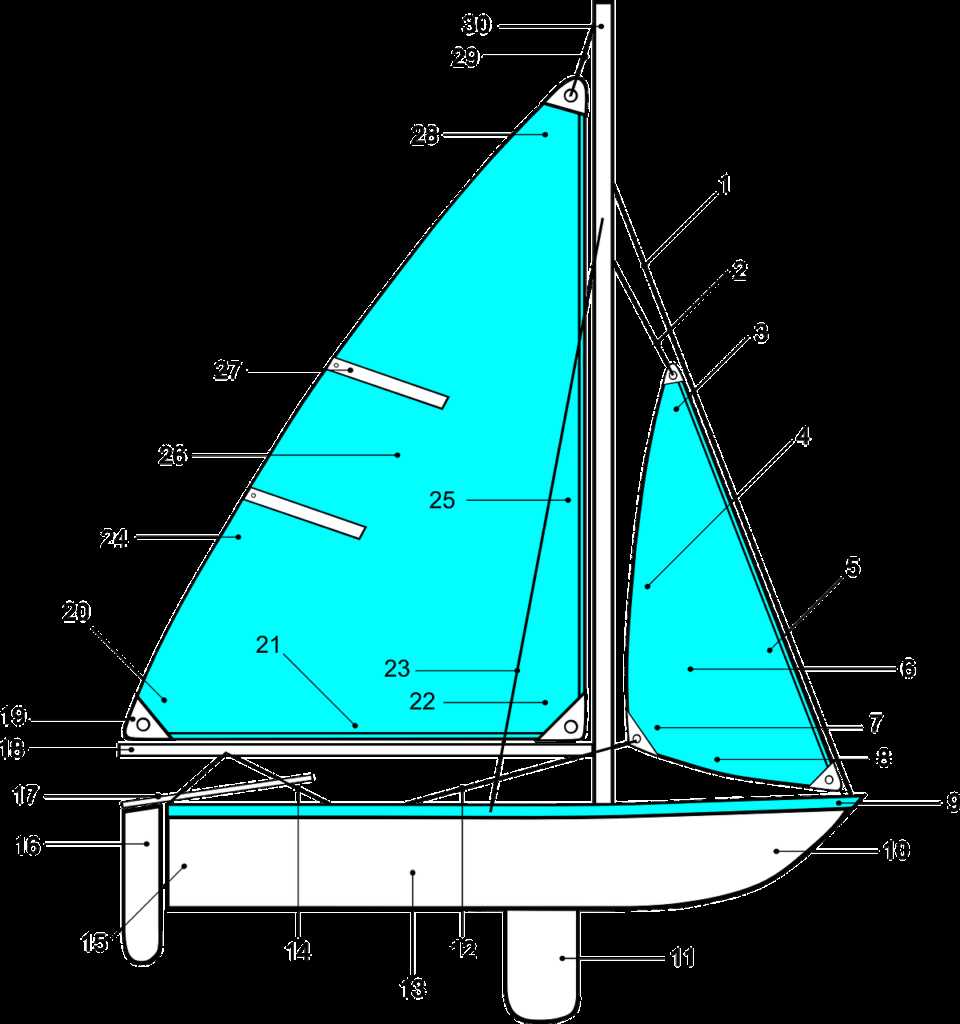
To maintain and repair your vessel, it’s important to first identify the core elements that make it functional. Knowing how each piece interacts allows for quicker fixes and more efficient upkeep. Pay close attention to the structure and mechanics of the hull, deck, and engine. These are the primary areas where problems tend to arise. Whether you’re preparing for routine maintenance or troubleshooting an issue, understanding these parts is critical.
Start by familiarizing yourself with the major structural elements. The hull, which supports the entire craft, works in tandem with the deck and motor to provide buoyancy and movement. Any damage or wear to these areas requires immediate attention, as they directly affect safety and performance. Additionally, always check auxiliary parts like the rudder, propellers, and trim for signs of wear, as they also impact steering and propulsion.
For repairs, break down the task into smaller steps. Gather all necessary tools before you begin, and ensure you’re working in a safe environment. Always have a guide on hand that lists common issues related to the components you’ll be working on. Regular inspections will help catch problems early, saving you both time and money in the long run. Make a habit of noting down any irregularities and addressing them as soon as possible to ensure your vessel stays in top condition.
Boat Components and Their Functions
The hull is the primary structure that supports the entire vessel. It provides buoyancy, ensuring the craft stays afloat. A well-maintained hull prevents leaks and maintains the stability of the watercraft. Inspect it regularly for cracks, signs of damage, or wear, especially near the waterline.
The engine drives the vessel, converting fuel into mechanical power. It is the heart of the craft, and without proper maintenance, it can fail. Ensure regular checks on the fuel system, cooling system, and exhaust. Oil changes, air filter replacements, and cooling system flushes help extend the life of the motor.
The rudder allows the vessel to change direction. It’s connected to the steering mechanism and helps in maneuvering. Keeping it in good shape is necessary for smooth navigation. Make sure the rudder shaft and steering cables are properly lubricated and free from rust or damage.
The propeller provides propulsion. It is crucial to inspect the blades regularly for any signs of corrosion or damage. Damaged propellers can affect speed and fuel efficiency, so addressing any issues immediately is important for maintaining optimal performance.
The deck is the upper surface of the craft where passengers and crew move around. It often houses various control systems and storage compartments. Keeping the deck clean and dry helps prevent damage from water exposure and provides a safe environment for passengers.
Finally, the trim system adjusts the angle of the motor to control the vessel’s tilt. It is vital for stability and fuel efficiency. Regular maintenance ensures smooth trim adjustments, preventing unnecessary strain on the motor and improving fuel consumption.
Understanding the Key Components of a Boat for Maintenance
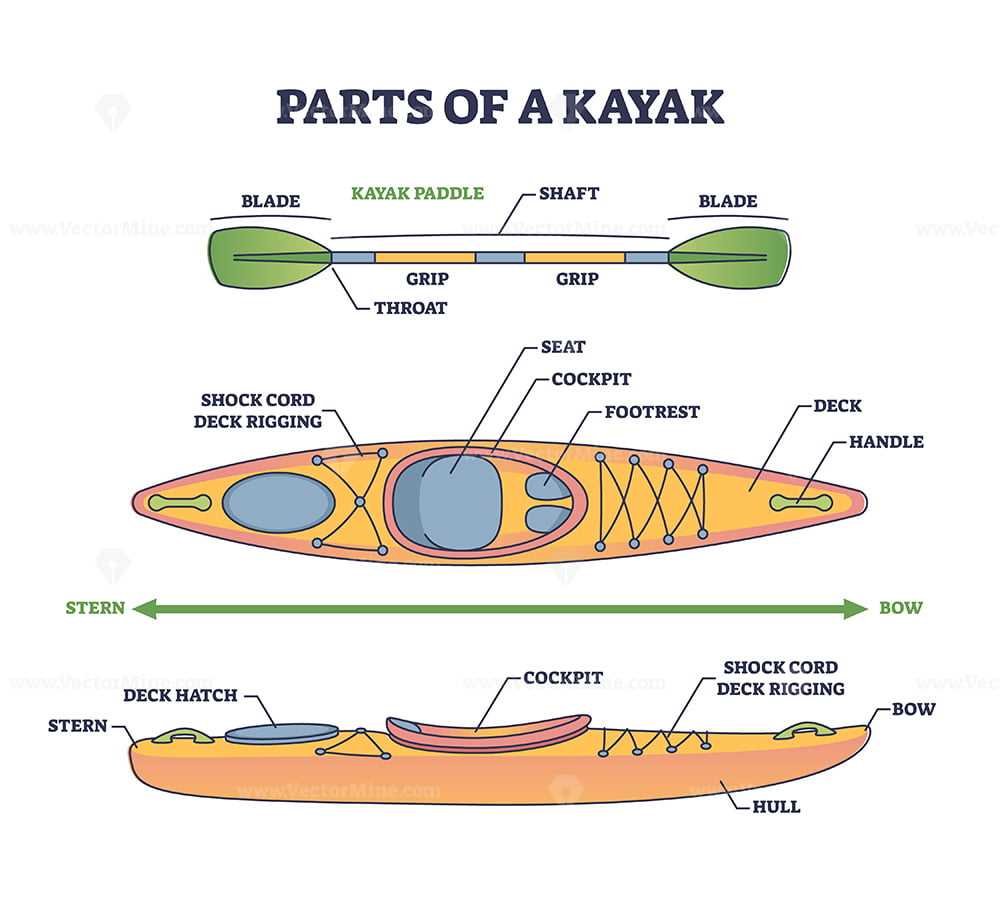
The hull acts as the vessel’s foundation, providing buoyancy and stability. Inspect the surface regularly for cracks, chips, or other damage. This is crucial to maintaining its structural integrity and preventing water from entering.
The propulsion system includes the engine, fuel system, and propeller. Perform routine oil changes and check for any signs of fuel leaks. Clean and inspect the propeller blades to ensure they are free from debris, dents, or corrosion that could affect performance.
The steering mechanism, including the rudder and associated components, should be lubricated and checked for wear. Any stiffness or loss of responsiveness in steering should be addressed immediately to ensure safe maneuvering.
The electrical system, which powers lights, navigation equipment, and other accessories, must be checked for faulty connections or corrosion, particularly around terminals and switches. Regularly replace any worn-out batteries and ensure wiring is secure.
The trim system adjusts the angle of the motor to optimize performance. Inspect the hydraulic lines and fluid levels to avoid any issues with the system’s ability to adjust properly. This contributes to the vessel’s handling and fuel efficiency.
Lastly, the deck and internal compartments should be regularly cleaned and maintained. Ensure that all hatches, vents, and drain plugs are functioning properly, preventing water damage or unwanted moisture accumulation inside the vessel.
Step-by-Step Guide to Identifying and Replacing Boat Components
Begin by identifying the component that requires replacement. Inspect the affected area closely to ensure you have correctly diagnosed the issue. For example, check the engine’s performance and look for signs of wear such as unusual noises or poor fuel efficiency.
Once the faulty item is identified, gather the necessary tools and replacement materials. For most mechanical components, you will need a wrench, screwdrivers, and lubricants. Always use manufacturer-recommended parts to ensure compatibility and avoid further damage.
Turn off all electrical systems and disconnect the battery to prevent any electrical mishaps during the repair process. If the problem involves the engine, drain any fuel before disassembling any components to avoid spillage.
Carefully remove the defective component by loosening bolts or screws. Keep track of each piece you remove to ensure reassembly is done correctly. For instance, if you are replacing a damaged propeller, remove the old one and check for any internal damage in the propeller shaft or housing.
Install the new part by reversing the disassembly process. Make sure it fits securely and that all bolts and screws are tightened properly to avoid vibrations or loose connections while in use.
Once the new component is installed, test the system by turning on the engine or activating the relevant mechanism. Check for proper functionality and listen for any unusual sounds. If everything operates smoothly, the repair is complete. If there are issues, recheck the connections and consider consulting a professional for further assistance.