If you need to replace or maintain a stringed instrument, the first step is to familiarize yourself with its structure. Begin by identifying the key elements that contribute to its overall function. The frame, neck, and headstock are all crucial to the instrument’s resonance and tuning stability. Each of these parts plays a significant role in ensuring sound quality and ease of playability.
The neck is typically secured to the body using metal fasteners or adhesives, and it holds the fingerboard in place. This component is vital for tuning the instrument accurately, and its angle must be precise for optimal string tension. Pay special attention to any damage to this area, as it can severely impact sound production.
The body, often made of wood or composite materials, holds the strings under tension and amplifies the vibrations produced when played. Over time, the bridge, tailpiece, and other supporting structures may need adjustment or replacement to ensure that the instrument stays in tune and produces a clean, clear tone. Regular maintenance, such as replacing strings, adjusting the action, and keeping the body free of cracks and dents, can significantly prolong the life of the instrument.
Instrument Breakdown and Assembly Guide
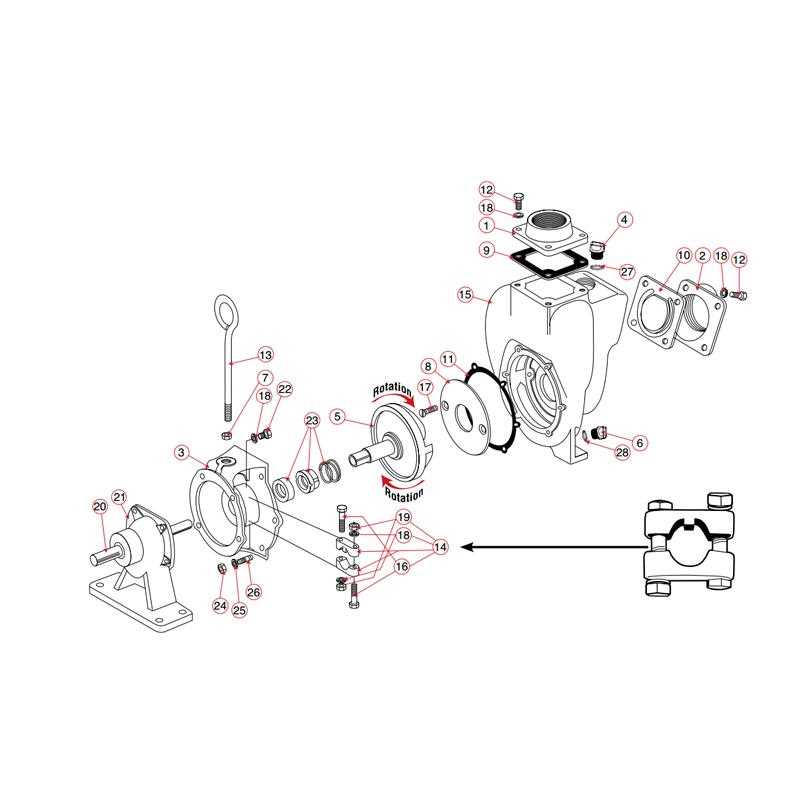
To begin assembling or disassembling the instrument, start with the body and frame. The main body serves as the foundation, supporting other components like the neck and tension hoop. The frame should be checked for any cracks or structural issues before proceeding with other steps.
Next, install the neck. Ensure the neck joint is secure and properly aligned to maintain accurate string alignment. If the neck is detachable, be sure to tighten the screws or fasteners evenly to avoid misalignment, which could affect playability.
After the neck is fixed in place, attach the headstock, ensuring that tuners are installed and functioning correctly. Check for smooth operation of each tuner to ensure proper tension control. It’s crucial that all tuners are evenly spaced for balanced tuning across strings.
The next step involves string installation. Carefully string the instrument, making sure each string is securely anchored at the bridge and attached to the tuners. While tightening, monitor the string tension to ensure consistency for even pitch across all strings.
Finally, inspect the bridge and tailpiece. These components must be aligned correctly for optimal sound projection. The bridge should be positioned precisely over the body for the best tonal response, and the tailpiece should keep the strings under the correct tension. Tighten all nuts and bolts, making sure they’re secure without over-tightening, which could cause damage.
How to Identify Key Components of a Musical Instrument
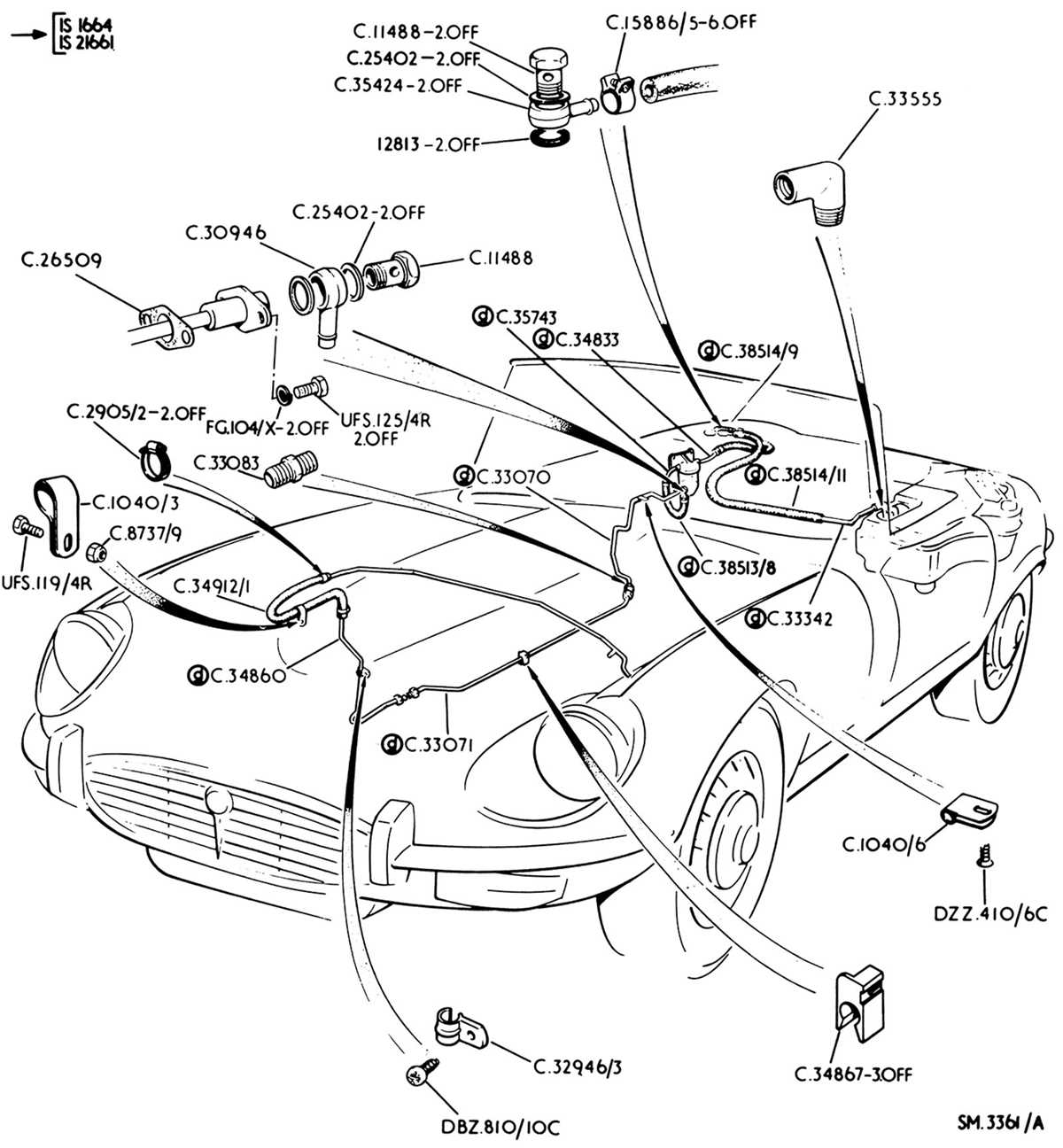
The first component to examine is the body, which forms the core structure. Look for a round or flat rim that supports the rest of the construction. This part is typically made of wood or a composite material and plays a critical role in sound projection.
Next, inspect the neck. This elongated piece connects the body to the headstock. The neck typically features a fingerboard, where you will find metal frets. Make sure the neck is securely attached to the body, as any movement here can affect tuning and playability.
The headstock is another key element. This section houses the tuners, which are responsible for adjusting the tension of each string. It is crucial that the tuners move smoothly without resistance, as this affects tuning accuracy and ease of use.
At the top of the instrument, locate the bridge. This piece is critical in transferring vibrations from the strings to the body, affecting both tone and volume. The bridge should be placed precisely, often marked with small notches to ensure accurate string positioning.
The final component to check is the tailpiece, which holds the strings in place at the bottom of the body. It needs to be tightly secured to maintain proper string tension and stability. This element contributes to overall tonal balance and sustain.
Steps for Replacing and Maintaining Musical Instrument Components
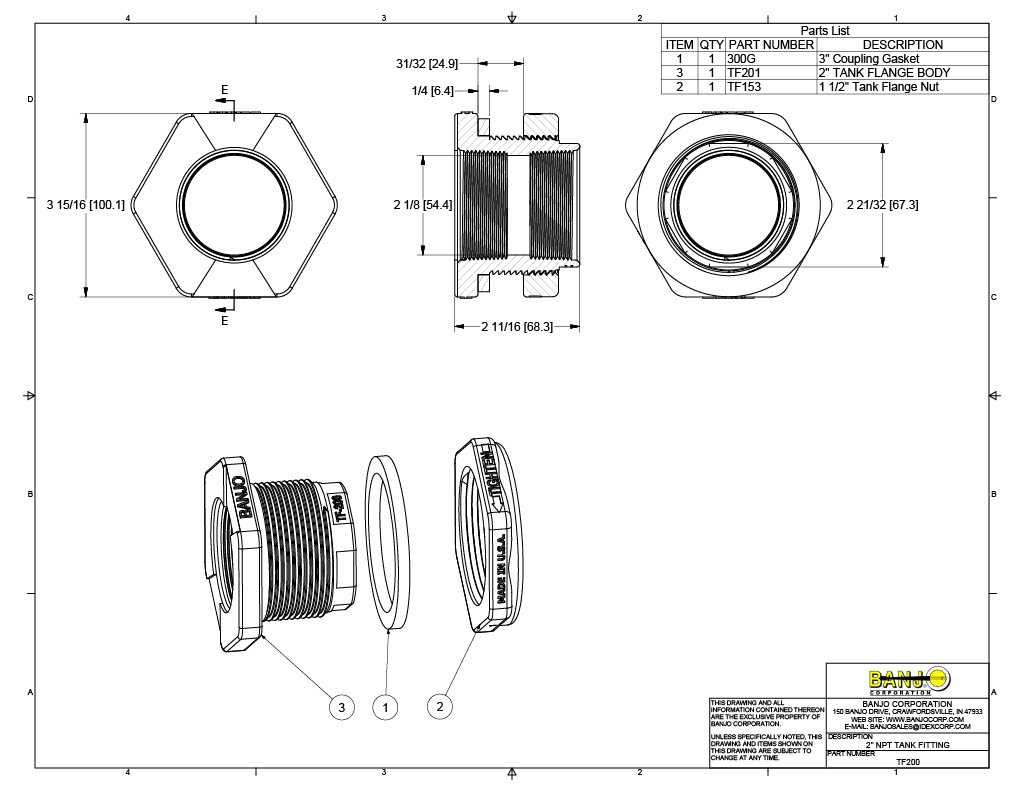
Start by loosening the strings with a tuner or by hand, carefully removing them from the tailpiece and tuners. This will allow you to access the other components for maintenance or replacement.
Inspect the neck for any signs of warping or damage. If necessary, use a truss rod to adjust the neck tension. A well-aligned neck is critical for proper string action and overall playability.
Next, remove the bridge if it needs to be replaced. Take note of its positioning to ensure it is placed correctly when reinstalling. This is important for accurate string alignment and sound quality.
Examine the body for any cracks or loose fittings. Tighten the tension hooks, ensuring the head is firmly attached. If the head needs to be replaced, carefully remove the old one and stretch a new head, securing it with the appropriate hooks.
For the tailpiece, check for any rust or wear. If the tailpiece is damaged, unscrew it and replace it with a new one. Ensure that the new piece is firmly attached and properly aligned to maintain the string tension.
Once all components are in place, restring the instrument, making sure the strings are evenly spaced and properly tightened. Tune the strings to the desired pitch, and check for stability in both tuning and overall sound quality.