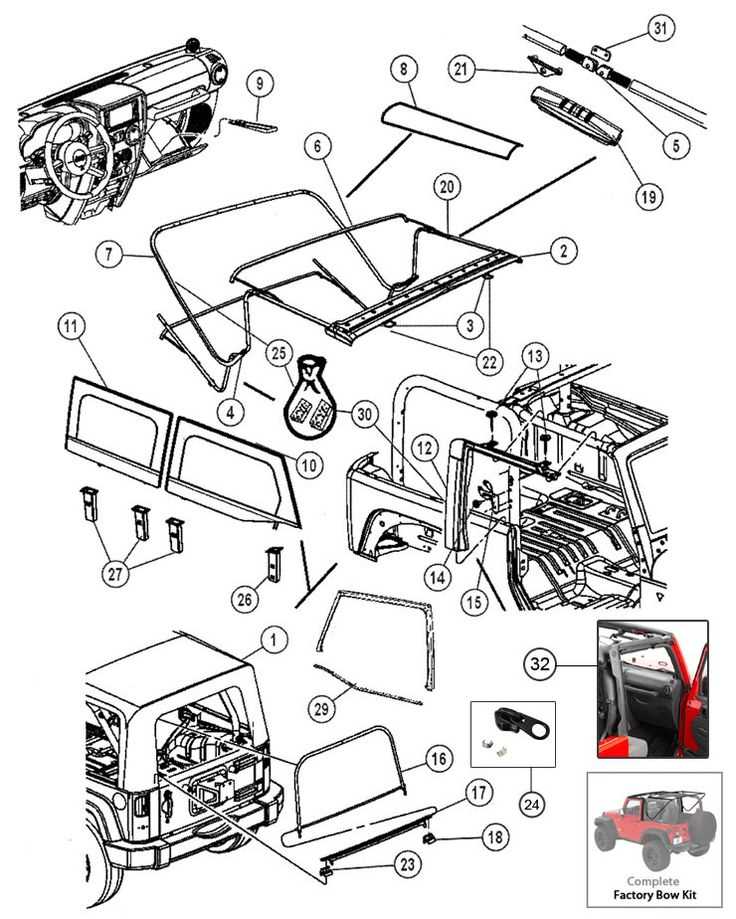
To maintain your off-road vehicle, it’s crucial to familiarize yourself with the main components that keep it running smoothly. Whether you’re diagnosing an issue or performing a routine check-up, understanding the layout and functions of each section can save you time and money.
The most common areas that require attention include the engine, suspension, electrical system, and the drive system. Familiarizing yourself with these parts, their layout, and their functions allows for a quicker diagnosis and the ability to perform minor repairs or replacements. Regular inspection of these key areas can prevent costly breakdowns during your off-road adventures.
If you’re replacing any faulty components, consult a detailed schematic or part list to identify the specific items you need. Replacing a malfunctioning belt, for instance, can be done with a step-by-step approach, ensuring you’re using the correct replacement. Keep in mind that each model may have specific components, so having access to the right diagrams will be a huge advantage for proper repair or upgrade.
Vehicle Component Breakdown and Identification
Start by locating the engine block, which houses critical components such as the pistons, crankshaft, and timing system. These parts generate the power needed for movement. Inspecting the timing chain or belt is vital for preventing unexpected engine failure, especially in older vehicles.
The suspension setup includes shock absorbers, leaf springs, and control arms. Regular checks will help ensure that any wear or damage is caught early, especially after off-road usage. Pay close attention to bushings and mounts as they degrade over time, affecting handling and comfort.
For stopping power, examine the braking assembly–rotors, brake pads, and calipers. These parts wear down due to frequent use. Replace worn brake pads immediately to avoid damaging the rotors, which could be expensive to repair. Keep an eye on the fluid levels in the brake lines to ensure proper pressure for stopping force.
Next, the drivetrain, including driveshafts, axles, and the differential, connects the engine to the wheels. It’s crucial to inspect for oil leaks and damage, especially when driving on rugged terrain. A compromised drivetrain leads to power loss and inefficient movement.
Lastly, check the exhaust system, which includes the catalytic converter, muffler, and exhaust pipes. Look for rust, cracks, or loose connections. A damaged exhaust system can result in poor performance and increased emissions, which can impact both vehicle efficiency and the environment.
How to Identify Key Components in a 4×4 Vehicle
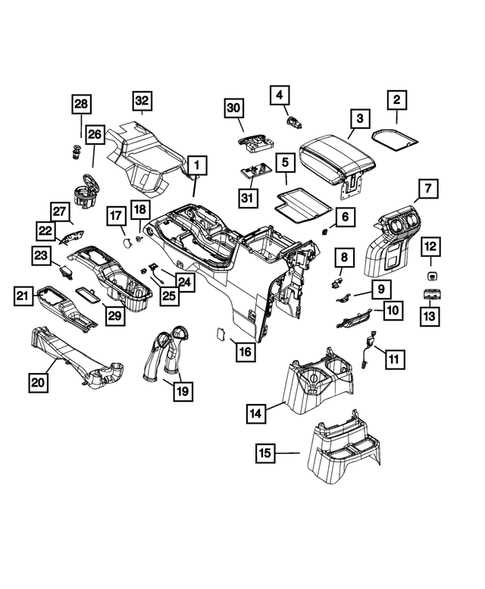
Begin by inspecting the engine, focusing on components like the intake manifold, cylinders, and the ignition system. These parts are crucial for fuel combustion and overall vehicle power. Check for signs of leaks or wear in the gaskets and hoses around these areas, which could affect engine performance.
Next, move to the suspension system. Key parts include the shock absorbers, leaf springs, and control arms. These parts help maintain ride stability and handling. Look for any signs of rust or fluid leaks around the shocks and springs, as they can degrade over time with heavy use.
In the braking system, examine the brake pads, rotors, and calipers. Over time, brake pads wear down and need replacement to prevent damage to the rotors. Ensure the brake fluid level is adequate, and check for any fluid leaks around the calipers that could affect stopping power.
Inspect the drivetrain, including the driveshafts, axles, and differential. These components transmit power from the engine to the wheels. Check for any unusual sounds or vibrations during driving, as these can indicate issues with the drivetrain. Ensure that the fluid levels are correct to avoid damage to these parts.
Finally, the exhaust system, which includes the muffler, catalytic converter, and exhaust pipes, should be checked for cracks, rust, or leaks. A damaged exhaust system can lead to reduced engine performance and harmful emissions. If you hear unusual noises or notice a decrease in power, it’s time to inspect this area carefully.
Step-by-Step Guide to Replacing Common 4×4 Vehicle Components
Start by lifting the vehicle using a jack and secure it with jack stands. Ensure you have the proper tools and replacement components ready. Begin with the brake pads. First, remove the wheel, then unscrew the caliper bolts and slide the caliper off. Replace the old pads with new ones, making sure they fit securely in place. Reassemble the caliper and wheel, and torque the bolts to manufacturer specifications.
Next, replace the air filter. Open the air filter housing by unscrewing the retaining clips or bolts. Remove the old filter, clean the housing, and insert the new filter. Ensure a snug fit before securing the housing back in place.
For a damaged alternator, disconnect the battery to avoid electrical shocks. Remove the drive belt by loosening the tensioner. Unscrew the bolts securing the alternator, remove it, and replace it with the new one. Reattach the belt, tighten it, and reconnect the battery.
If you need to replace the shock absorbers, begin by removing the wheel to access the suspension. Unbolt the upper and lower shock mounts, then remove the old shock absorber. Install the new shock, tightening the bolts to the recommended torque. Reinstall the wheel and lower the vehicle.
Finally, if the exhaust system is damaged, start by loosening the clamps holding the muffler and pipes in place. Remove the old components, and install the new exhaust system, ensuring all connections are secure and there are no gaps in the seals.