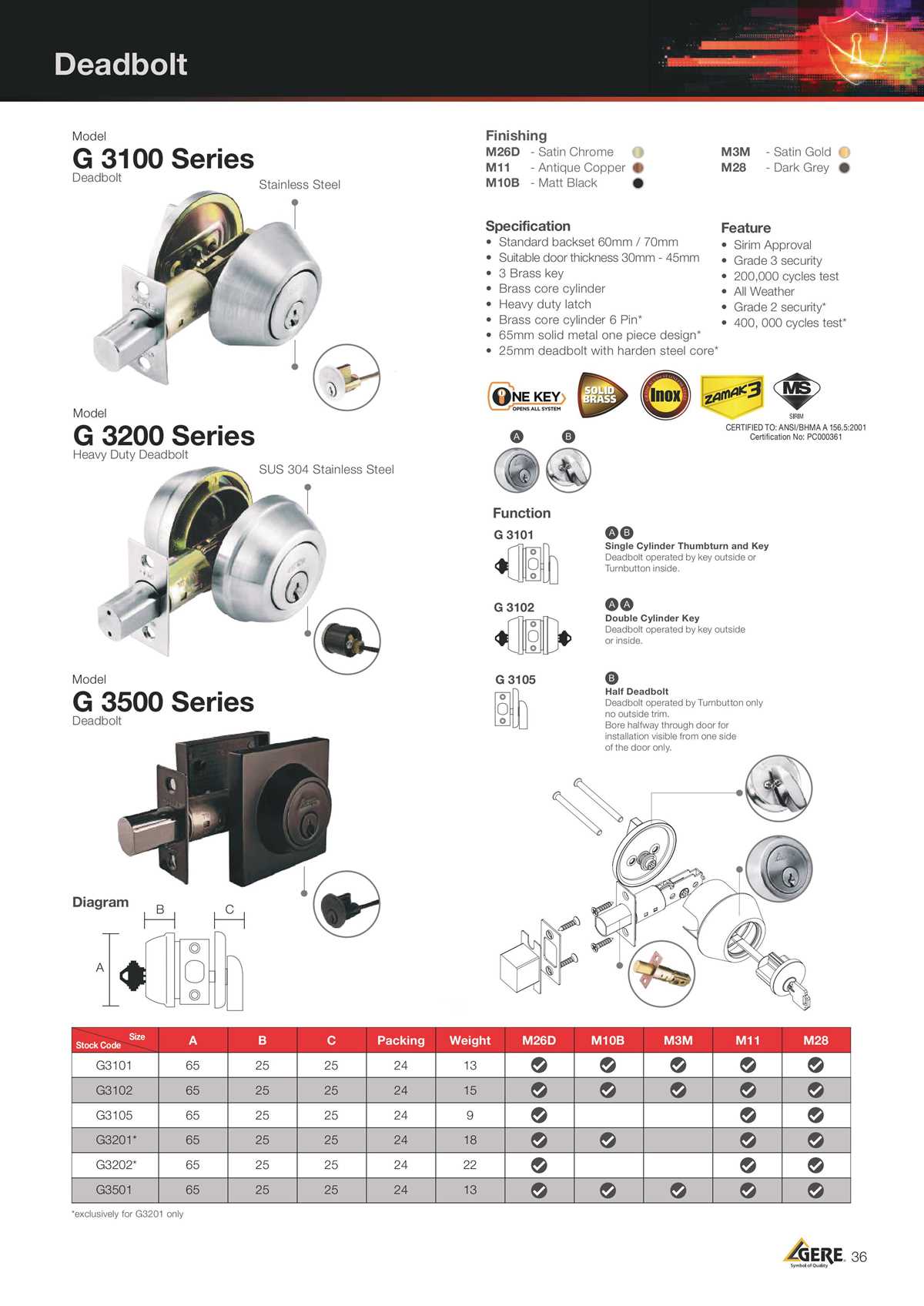
To properly understand how a lock functions, it’s important to first identify and familiarize yourself with its main components. Each element plays a role in providing security, and knowing them ensures better maintenance and troubleshooting. A standard locking mechanism includes a key, cylinder, and latch, each working together to secure the door.
Start by checking the cylinder, which contains the pin mechanism that interacts with the key to unlock the mechanism. The latch extends into the doorframe, ensuring that the lock stays in place. Additionally, the strike plate is installed on the doorframe to reinforce the locking mechanism, preventing forced entry.
If the lock malfunctions, understanding the function of each component will help you identify the issue more quickly. Common problems include misaligned strike plates or damaged cylinders, which can often be fixed with simple adjustments or part replacements.
Deadbolt Mechanism Components
The key element of the lock system is the locking cylinder, which contains the pins that align with the cuts in the key. When inserted, the key moves the pins into their correct positions, allowing the mechanism to turn and engage or disengage the lock.
The latch is the piece that extends from the lock body into the doorframe, securing the door. This component must align perfectly with the strike plate, which is mounted on the doorframe to catch and hold the latch in place, preventing the door from being opened without the key.
In some locks, there is also a thumbturn or a knob that allows manual engagement or disengagement of the locking mechanism from the interior side. Misalignments or wear on these components can prevent the lock from functioning correctly, often requiring realignment or replacement of the affected parts.
Identifying the Main Components of a Locking Mechanism
The primary mechanism consists of several key components that work together to secure a door. These parts include the locking cylinder, the latch bolt, the strike plate, and the keyway. Each of these plays a critical role in the function and security of the system.
- Lock Cylinder: Houses the pins that interact with the key. When the correct key is inserted, it aligns the pins and allows the cylinder to turn, enabling the mechanism to lock or unlock.
- Latch Bolt: The bolt that extends into the doorframe to hold the door closed. It is pushed back by the key or thumbturn to release the door.
- Strike Plate: Mounted on the doorframe, this part holds the latch bolt in place when the door is locked, preventing it from being opened without a key.
- Keyway: The slot or opening where the key is inserted to turn the locking mechanism. It is aligned with the cylinder pins to allow proper functioning.
Ensuring these components are well-maintained and aligned is key to smooth operation and security. Misalignments or wear can cause the locking mechanism to malfunction, requiring adjustment or replacement of specific parts.
How to Assemble a Locking Mechanism Step-by-Step
Start by aligning the locking cylinder with the body of the mechanism. Ensure the cylinder is properly positioned to fit into the housing slot.
Next, insert the latch bolt into the designated space. Ensure that the bolt is able to move freely within its housing, as this will affect the locking and unlocking motion.
Now, attach the strike plate to the doorframe. This should align with the latch bolt when the door is closed. Use screws to secure it in place, ensuring it is firmly positioned to hold the bolt when engaged.
Place the keyway into the cylinder housing and make sure it is lined up with the pins. This will allow the key to rotate the cylinder, enabling the lock to function properly.
Finally, test the assembly by turning the key to check that the latch bolt moves smoothly in and out of the strike plate. If necessary, make adjustments to ensure everything operates without resistance.
Common Issues and Solutions for Locking Mechanism Components
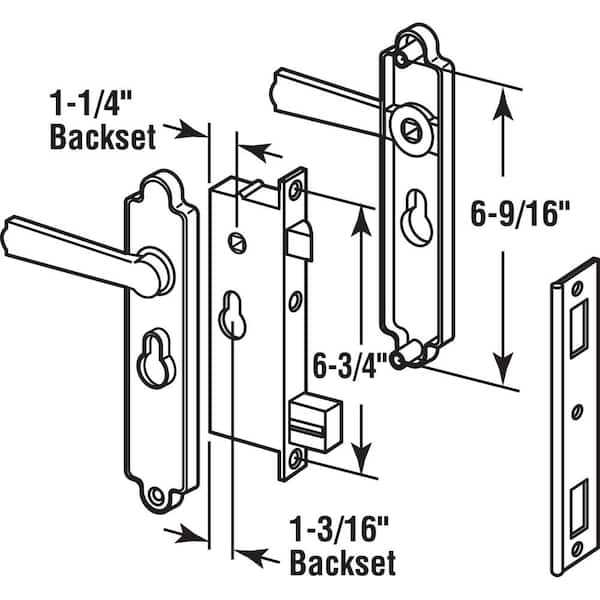
If the locking cylinder is not turning, check for debris or damage inside the keyway. Clean the mechanism with a lubricant designed for locks and ensure the key is not worn down. If cleaning doesn’t help, replacing the cylinder may be necessary.
When the latch bolt is sticking, inspect the bolt’s alignment within its housing. Misalignment can cause friction. Adjust the positioning or replace the bolt if it shows signs of wear or damage.
If the strike plate is misaligned, it can prevent the latch from properly engaging. To fix this, loosen the screws, adjust the plate’s position, and re-tighten it. Ensure the bolt fits smoothly into the strike plate when the door is closed.
If the lock is difficult to engage or disengage with the key, examine the internal pins and springs. A key that does not fully engage may indicate that the pins are sticking or not correctly aligned. Lubricate the internal components or replace any damaged springs or pins.
In case the lock’s outer casing is loose, check the mounting screws and tighten them. If the housing is cracked, you may need to replace it entirely for continued security and function.