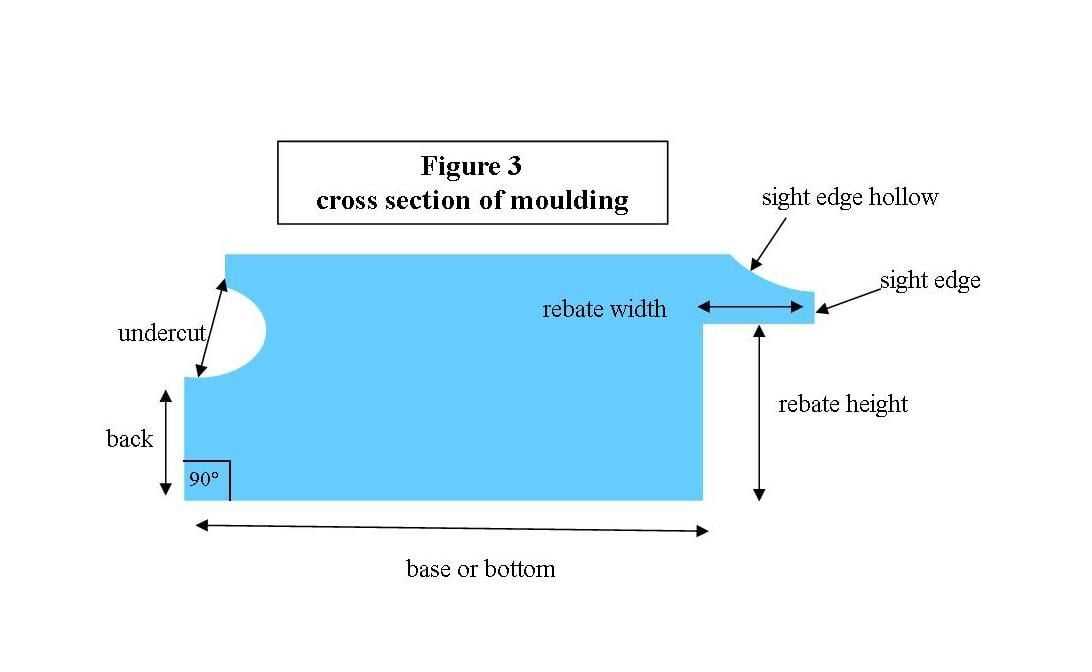
Start by inspecting the structure that holds the artwork securely. The outer border, typically crafted from wood or metal, provides the foundation for the entire setup. Examine the type of finish and ensure that it complements the piece being displayed.
Next, focus on the internal elements that serve both protective and aesthetic purposes. The backing is responsible for holding the artwork in place, while the protective cover, often glass or acrylic, shields the artwork from dust and environmental damage. Make sure both are intact and secure to prevent any mishaps during handling.
For anyone looking to replace or repair these components, it is critical to understand the purpose of each part. For instance, the clips and fasteners keep the artwork in place, and their condition affects the overall stability. Always use the appropriate tools for adjustments to maintain the integrity of the structure.
Picture Frame Components Breakdown and Functionality
The outer casing, often crafted from wood or metal, serves as the main protective shell, giving structural integrity to the entire setup. It ensures the safety and presentation of the artwork, providing an aesthetic boundary around the image.
The backing board plays a crucial role in supporting the image, holding it securely in place to prevent any shifting or damage. It is typically made of sturdy materials such as cardboard, foam core, or MDF, ensuring that the artwork remains flat and protected.
A protective sheet, usually glass or acrylic, covers the front of the artwork, offering protection against dust, dirt, and potential physical damage. Glass provides a traditional look and durability, while acrylic is lightweight and less prone to breakage.
The fastening components, such as clips or metal brackets, hold the backing and protective cover securely in place, preventing them from loosening over time. Proper installation of these elements is crucial to maintaining the stability and security of the frame.
Finally, the hanging hardware, often including D-rings and picture wire, allows for secure mounting on a wall. These components should be selected based on the weight and size of the piece being displayed to ensure proper and safe hanging.
Identifying and Understanding the Components of a Picture Frame
To properly assemble or repair a display, it is vital to recognize the key elements that contribute to both its functionality and appearance. Below are the main components:
- Outer Border: This is the structural boundary that holds everything in place. Typically crafted from wood, metal, or plastic, it defines the shape and provides a decorative outline for the contents.
- Backing Board: A rigid surface behind the content, preventing it from sagging or shifting. Materials used for this include cardboard, foam board, or MDF, which offer strength and stability.
- Protective Cover: A transparent layer that shields the artwork or photo from dust, dirt, and potential damage. This is usually made from glass, acrylic, or plastic, with glass offering a clearer, premium look.
- Clips or Fasteners: These secure the cover and backing to the border. Common fasteners include metal clips, nails, or screws, ensuring everything stays firmly in place.
- Hanging Mechanism: This includes hooks, D-rings, or wires at the back, making it possible to easily mount the structure on a wall. The correct hanging system is key for proper display and stability.
Understanding the function of each element allows for better customization, repair, and maintenance of your display, ensuring it stays both attractive and secure over time.
Step-by-Step Guide to Assembling and Repairing a Picture Frame
1. Prepare the materials: Gather the outer border, backing board, protective cover, fasteners, hanging mechanism, and tools like screws, nails, or clips. Ensure the protective cover is clean and free of scratches.
2. Assemble the structure: Place the backing board flat and align the outer border around it. Make sure the corners fit snugly. If needed, use wood glue or adhesive to reinforce the joints before securing them with nails or screws.
3. Install the protective cover: Lay the transparent cover over the backing board and artwork. If using glass, handle it carefully to avoid breakage. Secure the cover in place using clips or fasteners, ensuring the edges are tightly held to prevent movement.
4. Secure the backing: Position the backing securely behind the artwork, ensuring it covers the entire piece. Use clips or screws to fasten the backing, checking that it’s aligned correctly.
5. Add the hanging mechanism: Attach hooks, D-rings, or a wire to the back of the assembly. Ensure they are placed at the proper points for balanced hanging. If using a wire, make sure it’s strong enough to support the weight of the entire piece.
6. Final inspection: Double-check the assembly for stability and alignment. Make sure all fasteners are securely tightened, and the protective cover is properly fitted. Once the piece is secure, you can proceed with hanging it on the wall.
By following these steps, you can successfully assemble or repair your display, ensuring it is both visually appealing and sturdy.