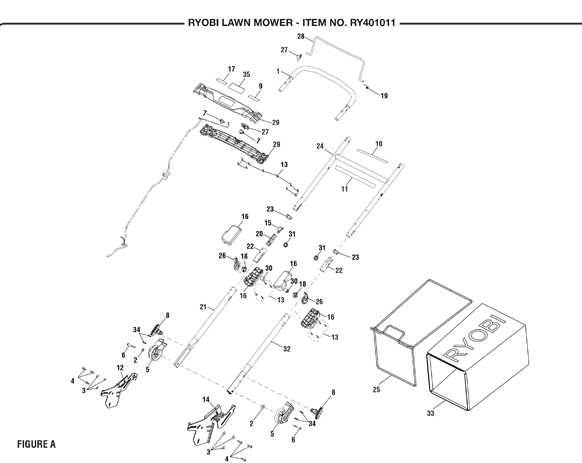
To keep your electric garden equipment running smoothly, regularly check the key components for wear and tear. Pay close attention to the power system, motor connections, and blade assemblies. These are the areas most prone to issues over time and can affect performance significantly.
Start by inspecting the motor connections for any loose wiring or signs of corrosion. Tighten any loose connections and clean the contacts to ensure consistent power delivery. Next, check the blade system for sharpness and alignment. Dull or misaligned blades can strain the motor, leading to inefficient operation and potential damage.
Lastly, always keep an eye on the drive system components. These parts are crucial for translating motor power into movement. If you notice any unusual noises or decreased movement, it’s time to inspect the gears and belts. Proper maintenance of these components can extend the life of your tool and improve its effectiveness during use.
How to Identify Key Components in the Electric Garden Tool
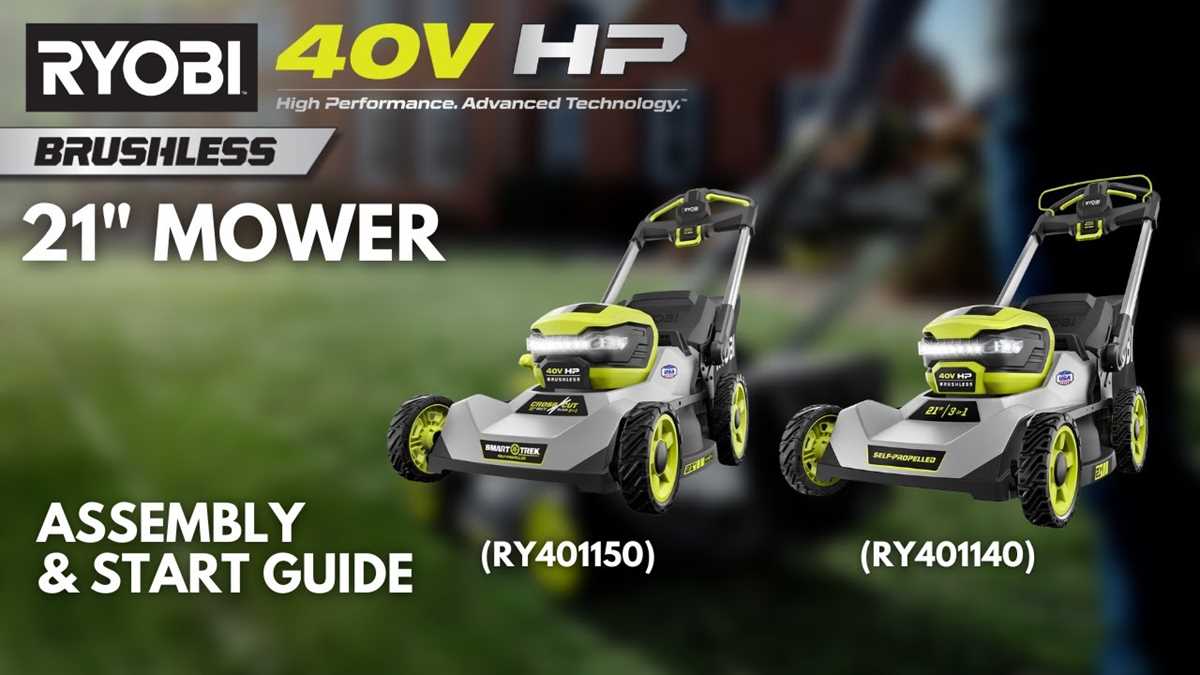
Inspect the motor housing and power connections first. Look for any visible damage or loose wiring. Ensure all wires are properly connected and free from corrosion. The motor is the heart of the device, so maintaining a solid connection is critical for efficient operation.
Next, check the cutting mechanism. Examine the blades for any signs of wear, damage, or dullness. If the blades appear bent or chipped, replace them to maintain optimal cutting performance. Make sure they are securely fastened to avoid any wobbling or vibrations during use.
Lastly, inspect the battery and charging system. Ensure the battery is fully charged and showing no signs of leakage or damage. A malfunctioning battery can drastically reduce the tool’s performance. If the battery is old, consider replacing it with a new one to ensure reliable power for your tasks.
Step-by-Step Guide for Troubleshooting Common Lawn Care Tool Issues
Step 1: Check the power source. Ensure that the battery is fully charged and correctly inserted. If the battery is old or damaged, it may need to be replaced. Check for any loose connections or debris in the battery compartment that may affect the power flow.
Step 2: Inspect the cutting mechanism. If the tool isn’t cutting effectively, examine the blades for any damage or dullness. Clean the blades of any grass clippings or debris that could impair their performance. If the blades are severely worn, replace them to maintain cutting efficiency.
Step 3: Examine the drive system. If the tool is not moving properly, check the drive mechanism for any blockages or signs of wear. Ensure that all belts and wheels are functioning correctly. Lubricate any moving parts to prevent friction and ensure smooth operation.
Step 4: Clean and maintain ventilation areas. Overheating can cause performance issues, so ensure that vents and cooling areas are free from dirt and debris. Cleaning these areas will help maintain airflow and prevent the motor from overheating.
Step 5: Reset or replace fuses and circuits. If the tool still doesn’t work after checking the power and components, check for any blown fuses or tripped circuit breakers. Reset or replace as needed to restore functionality.