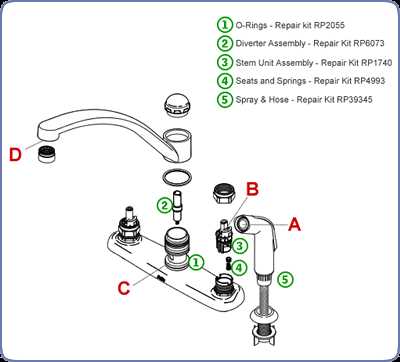
For smooth operation and repairs, identifying the right components of your water control system is crucial. If you’ve encountered leaks or difficulty adjusting temperature, a clear understanding of each element in the setup will save time and prevent further damage. Start by isolating the control mechanism–this often involves replacing washers, stems, or handles.
Pay attention to the cartridge or valve within the assembly. These central pieces are responsible for controlling water flow and temperature. A malfunction here could cause erratic pressure or inconsistent temperature adjustments. Inspecting and replacing these when needed can restore function to your setup.
Another aspect to examine is the trim components. These usually include the knobs or handles, which can wear out over time, leading to difficulty in control. Replacing these can greatly improve the ease of use, as well as the aesthetic of your installation.
Lastly, check the seals and gaskets that maintain a watertight connection. These small yet vital elements prevent leaks at joints and are commonly overlooked during routine maintenance. Keeping them in top shape prevents water damage and preserves the lifespan of your system.
Understanding the Components of a Shower Control System
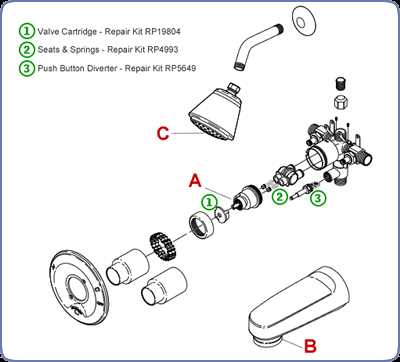
When replacing or fixing a malfunctioning water control system, accurately identifying each element is key. The valve assembly often features a pressure balance unit, temperature regulation components, and a diverter to switch between multiple outlets. For a proper installation, make sure all seals, washers, and O-rings are intact to prevent leaks and malfunctions.
The handle mechanism, which adjusts water flow, can come with a variety of configurations. Some models use a lever for easy temperature and pressure adjustment, while others incorporate a knob that may require a different set of replacement parts. Carefully inspect the inner cartridge or valve stem for wear and tear, as these parts are common points of failure.
In some systems, a trim kit is necessary to complete the look of the installation. This kit usually includes the cover plates and decorative elements that hide the functional mechanisms beneath. Ensure the kit matches the specific model you’re working on, as size and design variations can affect the final installation.
Keep a close eye on the diverter valve, which plays a key role in directing water to the desired outlet. These can often become clogged with mineral buildup over time, leading to poor performance or no water flow at all. Cleaning or replacing the diverter valve regularly ensures smooth operation.
If the water temperature fluctuates unexpectedly, the thermostatic component may need attention. This part helps maintain a steady water temperature, preventing sudden changes that could lead to scalding or freezing. Regular maintenance and part replacement keep this mechanism functioning properly.
Identifying Common Components in a Peerless Shower Valve
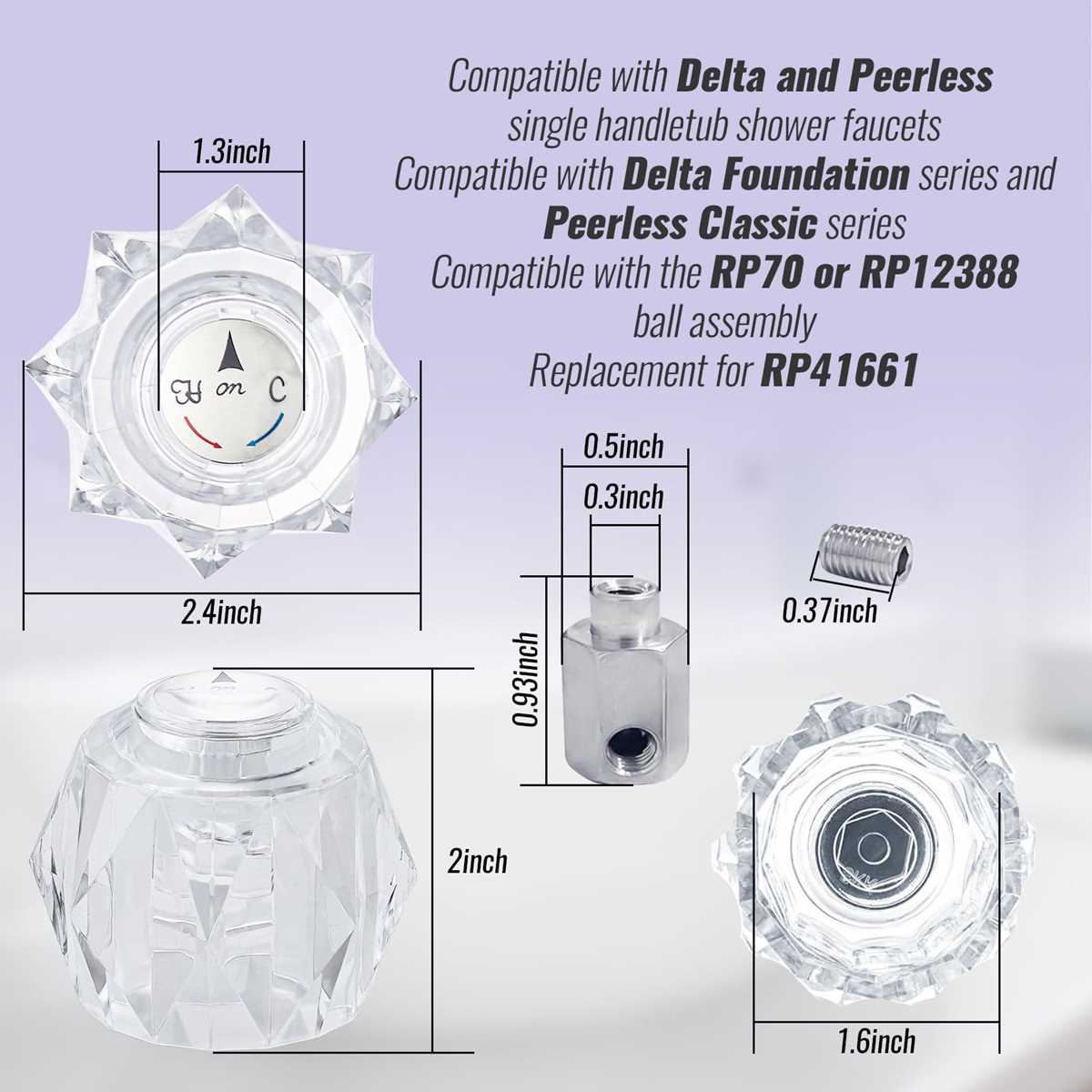
The handle assembly is typically the first part to check. It controls the flow of water and is often connected to a valve stem. Look for wear or rust, especially around the base where the handle meets the wall. If the handle is loose or stuck, this might be due to a worn-out washer or a loose screw.
Next, inspect the cartridge, which regulates water temperature and pressure. If water temperature fluctuates unexpectedly or if the valve is difficult to turn, the cartridge might need replacement. A worn cartridge can cause inconsistent flow and leaks around the handle area.
The valve seat, located within the body of the unit, serves as the contact point for the washer or O-ring. If water leaks persist around the valve, this part could be corroded or damaged. Check for mineral buildup, which can prevent the seat from forming a proper seal.
O-rings and washers are also key components to watch for wear. These seals prevent leaks at various connection points. If there’s dripping water or low pressure, replacing these small rubber parts can often solve the problem.
Lastly, the escutcheon plate sits over the valve opening and covers the mounting area. While primarily decorative, a loose or improperly sealed escutcheon can allow water to seep behind the wall, leading to potential damage. Ensure it’s secured tightly and sealed properly to avoid leaks.
How to Replace and Maintain Key Components of Your Fixture
Shut off the water supply before starting. Remove the handle and trim components, then unscrew the valve assembly. Replace the valve with a new one, ensuring proper alignment. Reassemble everything, checking for leaks after reactivation of the water supply.
If you notice drips around the handle area, check the rubber seals for wear. Replace any damaged seals and apply silicone lubricant to improve the seal and prevent further leakage.
To keep the aerator clear, unscrew it and soak in a vinegar solution to dissolve mineral deposits. Scrub with a brush and rinse thoroughly before reattaching.
If the diverter feels stiff, apply a small amount of lubricant to the moving components. If stiffness persists, replacing the diverter mechanism is recommended.
Examine all metal connections for corrosion. Replace any affected parts to avoid leaks. Periodic inspection of the internal components ensures the fixture continues to function smoothly over time.