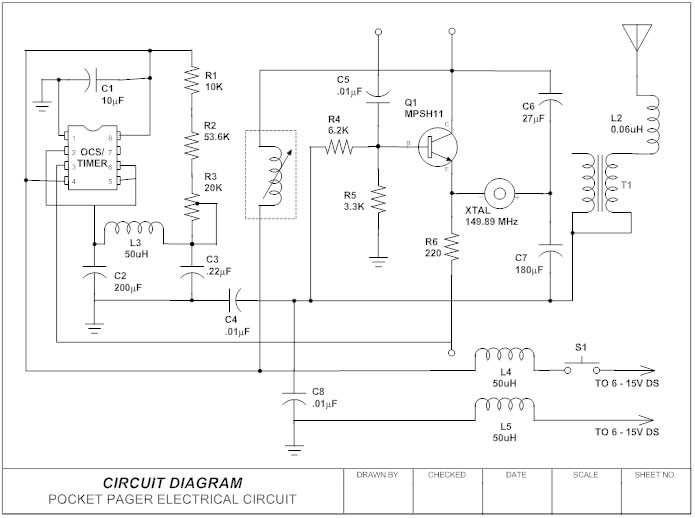
Trace the power source first and follow the connection path toward the load components. Circuit drawings represent real systems using standardized symbols, allowing technicians to understand how current moves through switches, resistors, relays, and loads without viewing the physical installation.
Each symbol in a circuit plan corresponds to a device or function. A straight line represents a conductor path, while intersections indicate connection points. Switch symbols show open or closed contact states, and load symbols mark lamps, motors, or heaters. Power supply symbols identify where voltage enters the circuit. Recognizing these graphic elements allows quick interpretation of how the system behaves.
Component placement in a circuit plan does not represent physical distance. Instead, the layout shows logical relationships between parts. For example, a relay coil may appear far from its controlled contacts in the drawing, yet both belong to the same device. Signal flow normally moves from left to right or from top to bottom, which helps readers track current paths and locate faults during troubleshooting.
Use the reference labels printed near each symbol. Identifiers such as R1 for resistors, S1 for switches, or K1 for relays link each graphic element to parts lists and technical documentation. Matching these labels with component descriptions allows accurate testing and replacement during maintenance or circuit modification.
Schematic Electrical Wiring Diagram With Circuit Symbols and Connection Paths
Follow the power source symbol first and track each conductor line until it reaches the load component. Circuit drawings display current paths through graphic symbols instead of showing the physical placement of parts. This method allows quick understanding of how switches, relays, lamps, and protection devices interact inside the system.
Circuit Symbols and Their Roles
Each graphic element represents a specific device. A zigzag line usually marks a resistor, a circle with a cross indicates a lamp, and parallel lines identify a power supply. Switch symbols illustrate contact states, while relay coils appear as loops linked to contact blocks. Recognizing these marks allows technicians to read connection logic and determine how current flows through the circuit.
Tracing Connection Paths
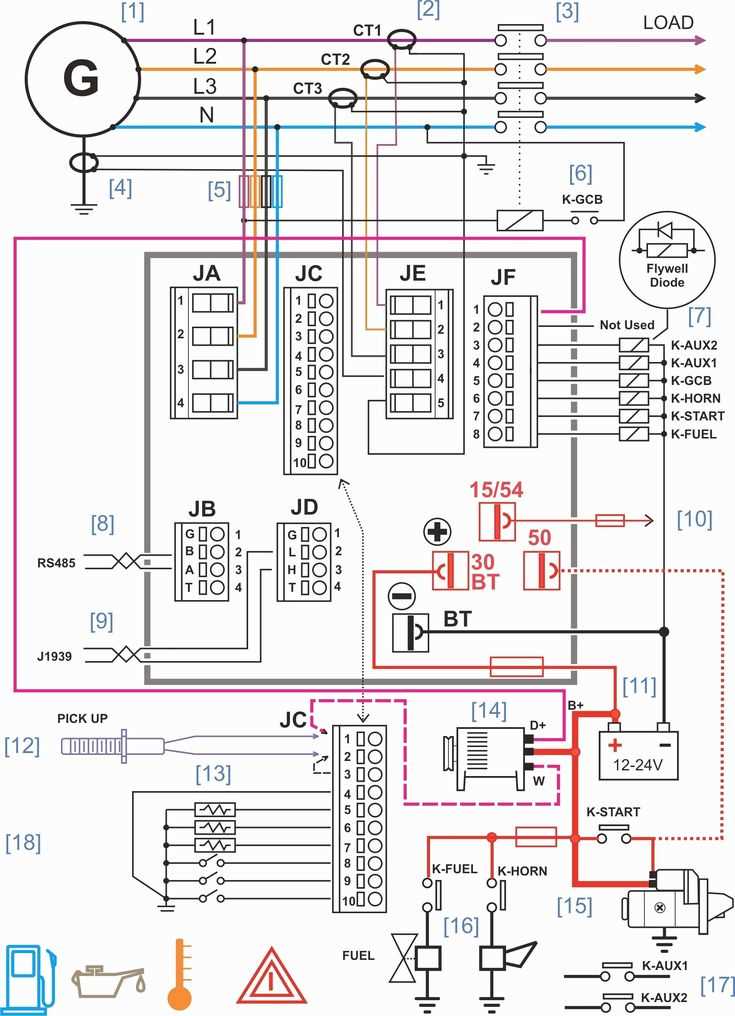
Connection lines show how components interact inside the circuit plan. Intersections marked with dots indicate joined conductors, while crossing lines without dots show no connection. Signal flow often runs from left to right or from top to bottom, helping readers trace the sequence from power input through control devices toward the final load.
Common Circuit Symbols Used in Schematic Electrical Wiring Diagrams and Their Meaning
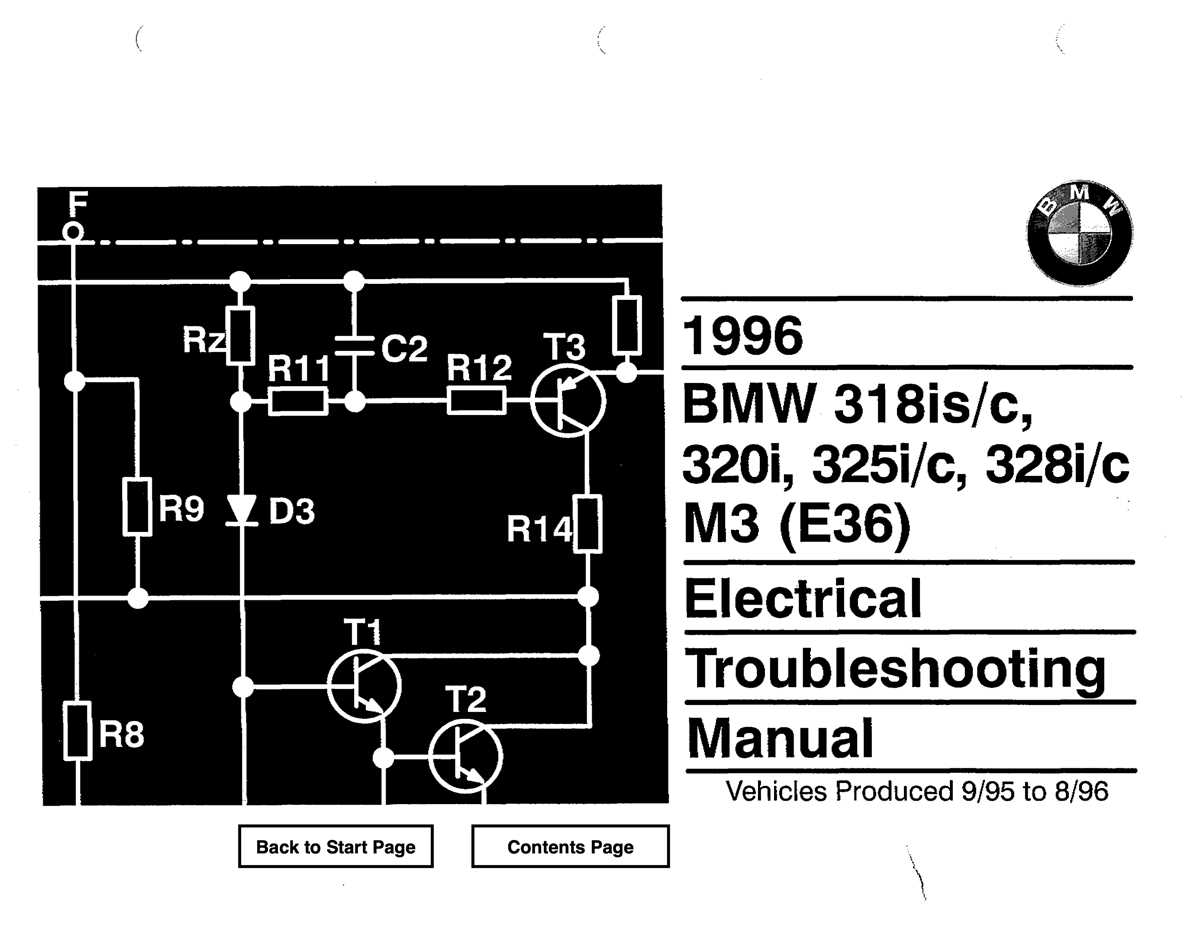
Identify standard circuit symbols before tracing any conductor path. Each graphic mark represents a component or function inside the circuit plan, allowing technicians to interpret system behavior without seeing the physical assembly.
Basic Power and Load Symbols
Several symbols appear frequently in circuit drawings and represent the main power flow elements:
- Power source – parallel long and short lines that indicate voltage supply such as a battery or DC source.
- Lamp symbol – a circle with a cross inside showing a lighting load.
- Resistor – zigzag line representing a device that limits current.
- Motor – circle with the letter M marking a rotating load.
- Ground – three descending lines indicating the reference connection to earth.
Control and Switching Symbols
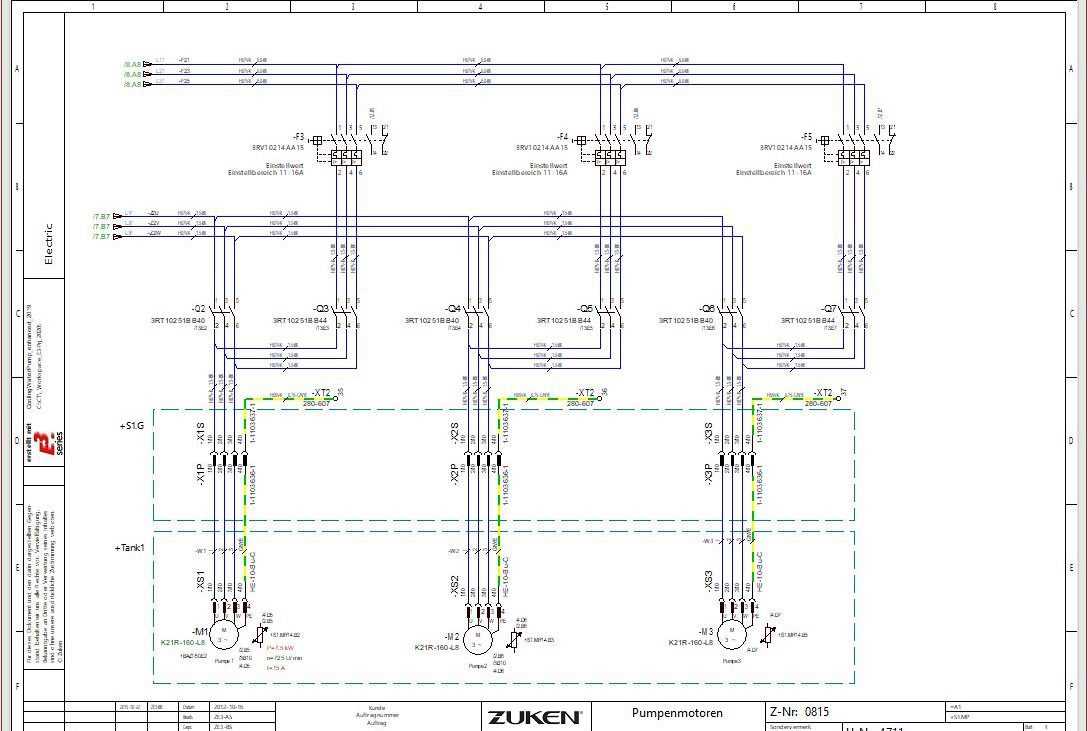
Control devices regulate current flow and appear as contact or coil symbols:
- Single pole switch – break in a conductor line with a movable contact.
- Relay coil – loop symbol controlling remote contacts.
- Normally open contact – two separated lines showing a circuit that closes during activation.
- Normally closed contact – two lines touching with a small marker showing a closed path until activation.
Recognizing these symbols allows quick interpretation of control logic and current paths across the circuit plan.