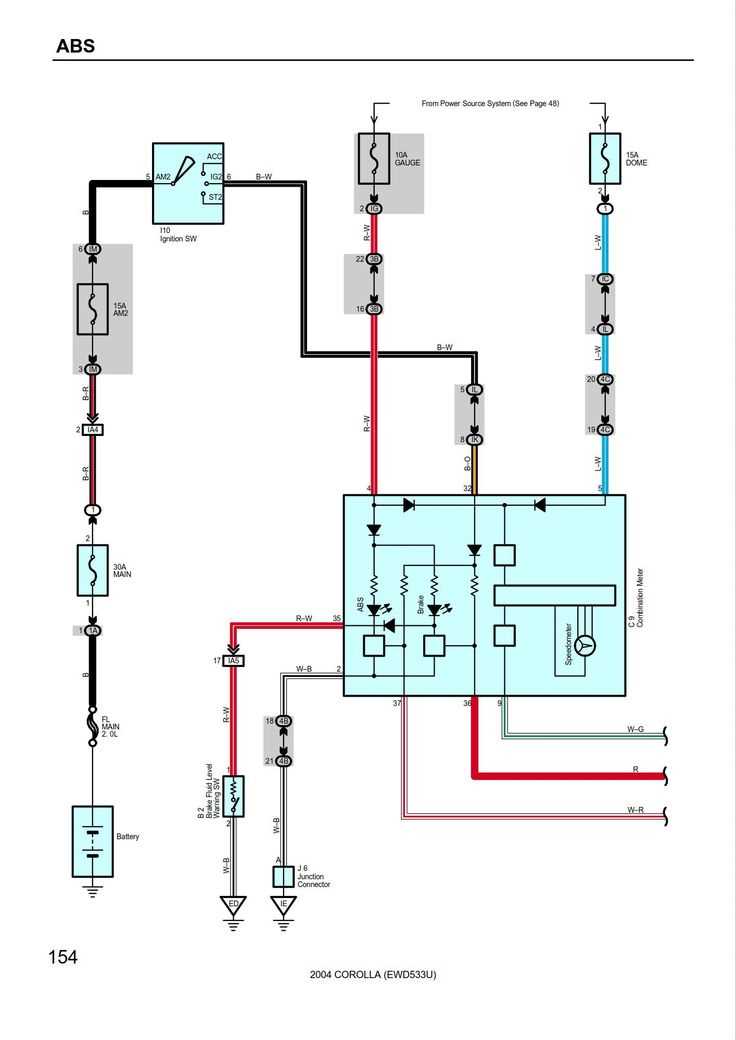
For troubleshooting or modifying your car’s electrical setup, start by identifying the correct connections. Focus on key components like the battery, alternator, and fuses. These are critical for the proper functioning of the electrical system, ensuring that power is distributed efficiently across the vehicle. Follow the precise color coding and labeling of cables to prevent confusion and ensure safety during repairs or upgrades.
Before making any changes, carefully check the main connections, such as those linked to the ignition switch and control units. Use a multimeter to measure the voltage at various points in the system, helping to pinpoint weak or malfunctioning areas. Replace any faulty connections with parts that match the specifications, and ensure that all components are rated for the vehicle’s electrical load to avoid potential damage.
When dealing with complex issues, refer to your car’s electrical map. Knowing the exact path of each wire and its function in the system will help in pinpointing faults and avoiding unnecessary disassembly. Additionally, it’s important to keep the wiring tidy and well-organized to ensure that future repairs or modifications are easy to carry out.
Understanding the Electrical System Connections
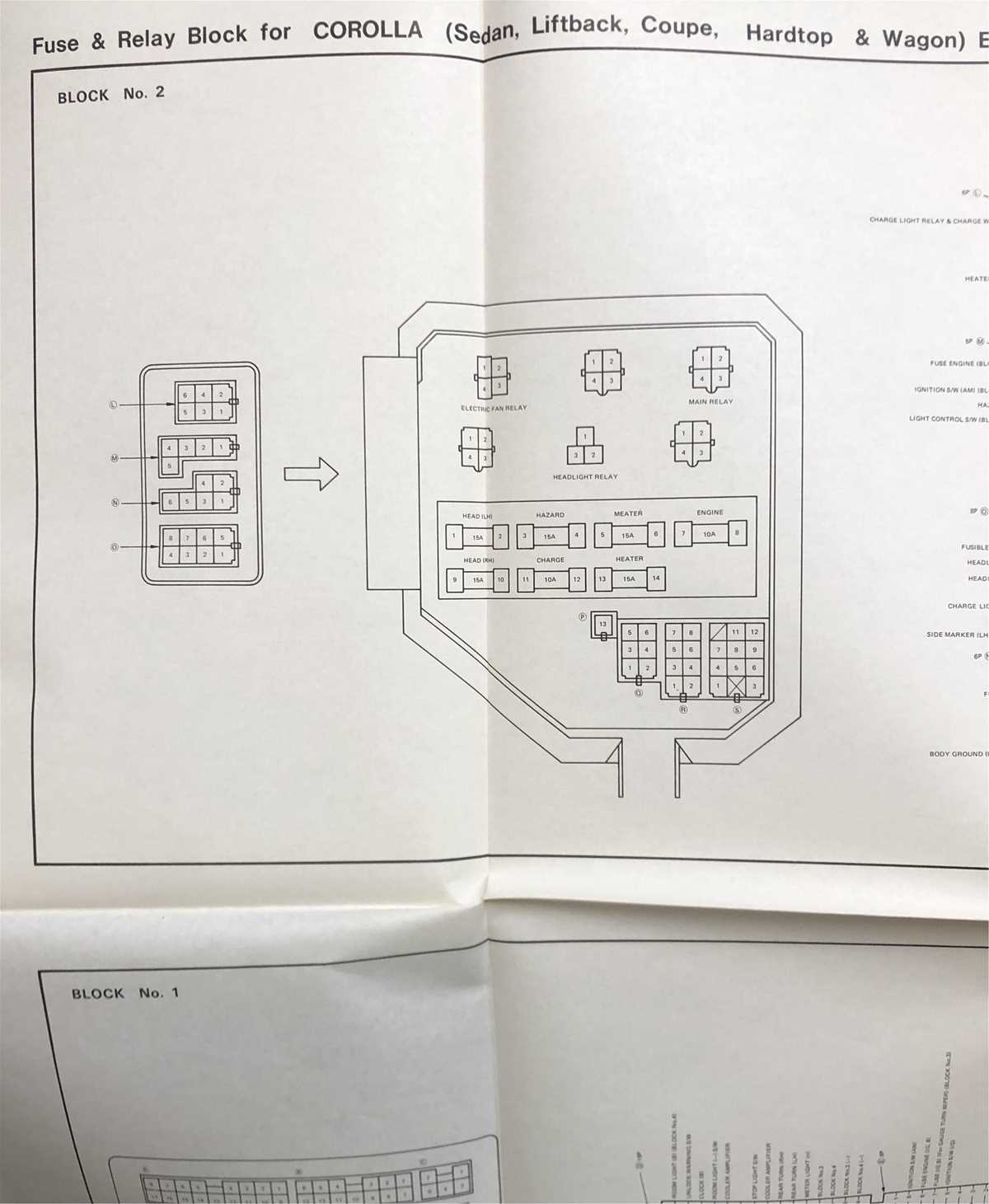
Start by identifying the key components that control the electrical flow within the vehicle. Focus on the battery, alternator, and fuse box, as these are critical for maintaining power to various systems. Properly trace the main power leads to ensure there are no loose connections or damaged wires. Use a multimeter to test voltage and continuity in the system.
Ensure the ground connections are secure, as poor grounding can lead to electrical faults. Check the ground straps and connections to the car body, ensuring they are clean and tight. A weak ground can cause erratic behavior in electrical components, including malfunctioning lights and starting issues.
The ignition system also plays a pivotal role in the power distribution. Ensure that the ignition switch and its related circuits are correctly connected to the battery and starter motor. If the engine fails to start, double-check the wiring between these components for any loose or corroded connections. Pay special attention to fuses linked to the ignition system, as they are often the first to blow when there is a fault.
Next, check the connections to the control units in the dashboard, such as the ECU and instrument cluster. These devices rely on consistent and uninterrupted electrical signals to function properly. Inspect the wiring harnesses leading to these units and ensure they are free from damage, wear, or short circuits. Any disruption in these connections can result in warning lights or malfunctioning displays.
For troubleshooting lighting issues, verify the connections to the headlights, taillights, and turn signals. These circuits often involve relays that can fail over time. Test the relays with a multimeter to ensure they are functioning properly. If the lights flicker or fail to turn on, the issue could stem from a faulty relay or broken wiring.
Finally, always use the vehicle’s service manual for reference, as it will provide detailed pinouts, voltage ratings, and specific connections for each component. When replacing any damaged wiring or connectors, make sure to use components that match the original specifications to avoid compatibility issues or system failure. For safety, disconnect the battery before performing any electrical work to prevent shocks or accidental short circuits.
Understanding the Electrical Components and Connections
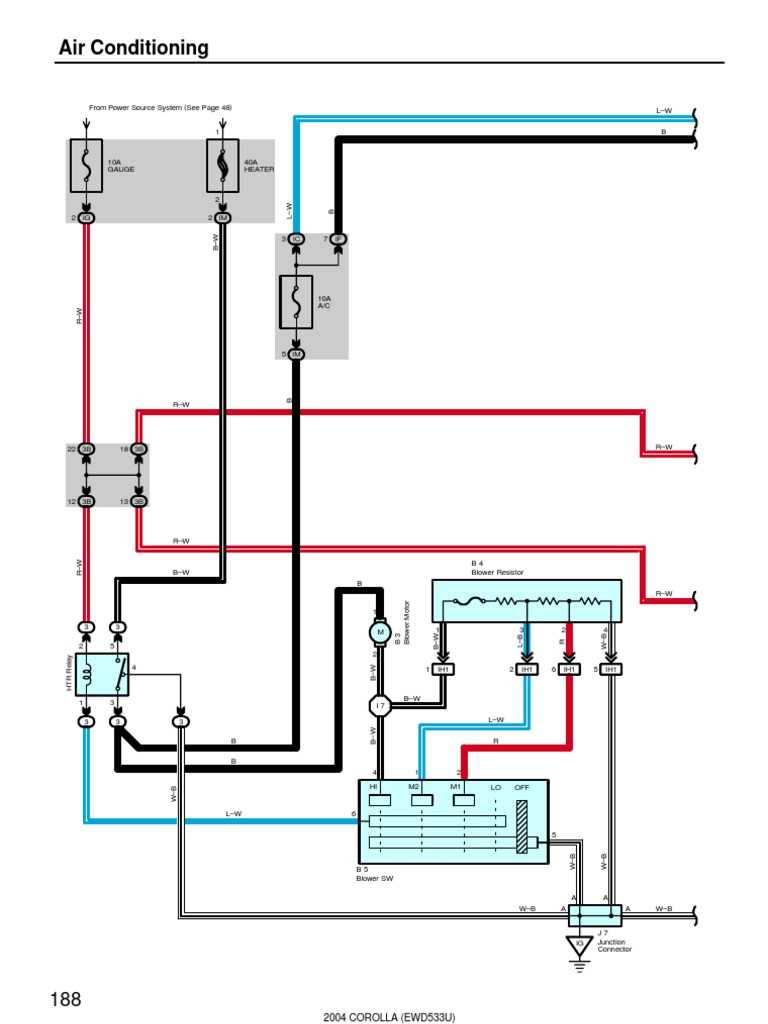
Start by identifying the battery and its connections. Ensure the terminals are clean and free from corrosion, as poor contact can result in power loss. Check the positive and negative leads that connect to the main fuse block and alternator. Make sure these connections are tight to ensure a continuous flow of current. A multimeter can help measure voltage output, confirming the battery is properly charged.
Next, inspect the alternator connections. This component charges the battery while the engine runs, so its wiring is crucial for the vehicle’s electrical system. Look for any signs of wear or corrosion in the wiring that links the alternator to the battery. Pay special attention to the output terminal on the alternator; it should be securely connected to the battery positive terminal. A faulty alternator can lead to battery draining or poor charging.
The fuse box serves as the central point for protecting circuits. It’s vital to check that the fuses are rated correctly for the corresponding circuits. Each fuse should be checked for continuity, and any blown fuses must be replaced with fuses of the same rating. Faulty fuses can lead to electrical components malfunctioning or, in some cases, even damage sensitive electronic systems in the vehicle.
When looking at relays and control units, ensure their connections are secure and free of corrosion. Relays control high-power circuits and help manage the flow of current to components like lights or power windows. Check the wiring from the relay to the respective components to avoid short circuits. Faulty relays may cause intermittent functioning of various vehicle systems, such as headlights or HVAC controls.
Finally, inspect the ground connections. A poor ground can cause various electrical problems, including fluctuating power supply or complete failure of certain systems. Ensure all ground straps are tightly connected to the body of the vehicle and that the metal is free of rust or paint. Using a ground tester can verify the effectiveness of the ground connection, ensuring there is no significant resistance, which could impair system function.