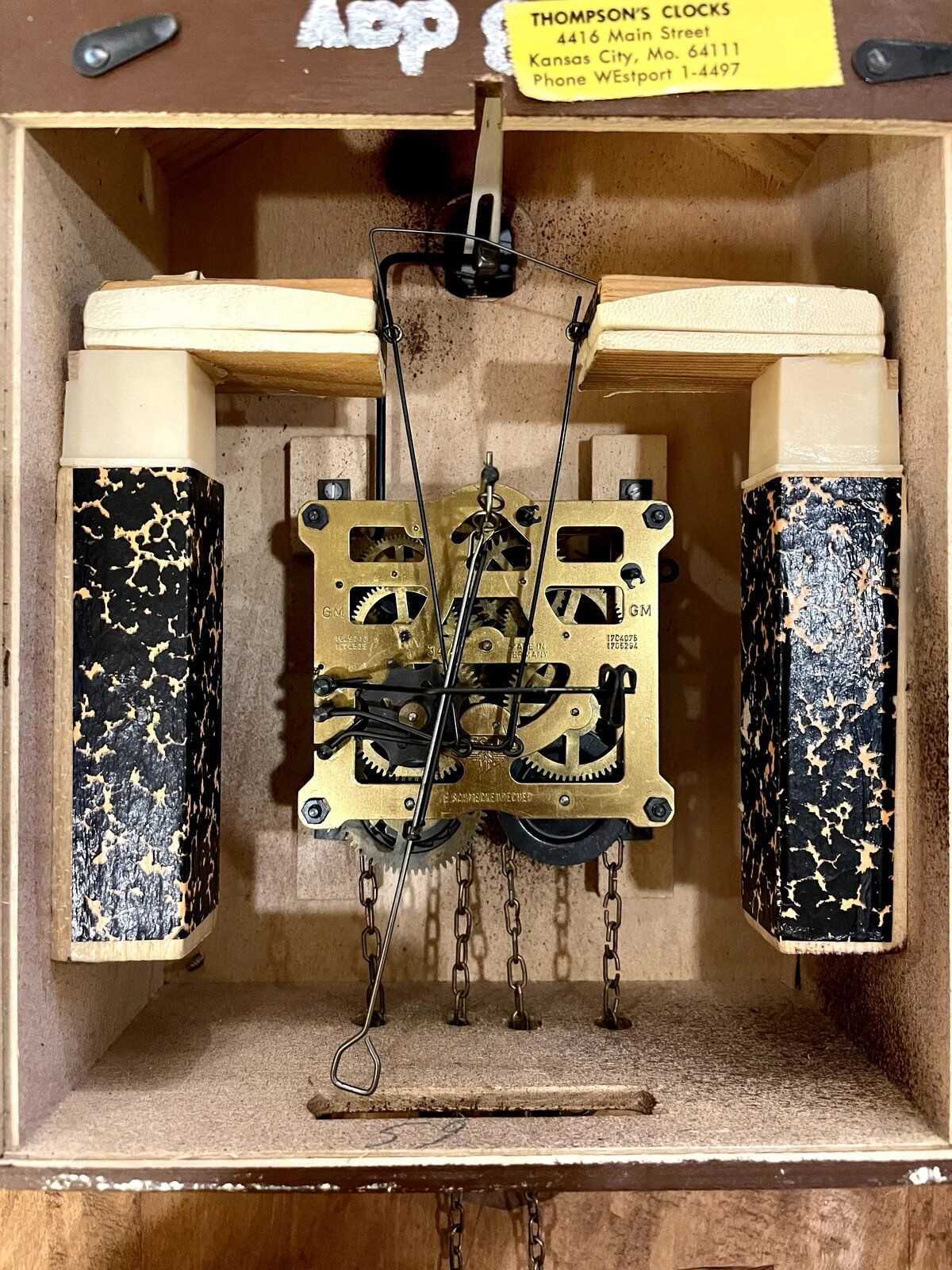
Examine the movement mechanism carefully before assembly. The gears, pendulum, and weight system should align smoothly to ensure accurate timekeeping. Make sure each gear is free of dirt or damage, and test the movement without the casing to confirm proper function.
Focus on the striking mechanism. This part controls the chime and should be checked for proper engagement with the hour hand. If the strike is inconsistent or silent, inspect the components for misalignment or broken springs. Clean and lubricate the moving parts to maintain smooth operation.
Check the decorative elements for secure attachment. The bird and door mechanisms, which are integral to the design, should move fluidly when triggered. Any sticking or malfunctioning in these decorative parts can affect the overall aesthetic and operation of the clock.
Finally, ensure the pendulum is properly balanced. An unbalanced or improperly hung pendulum can cause inaccurate timekeeping. Adjust its position gently, and test the clock’s timekeeping accuracy once all components are reassembled.
Cuckoo Clock Parts Breakdown
Examine the Gear Mechanism: The gears are responsible for the movement of the hands and striking mechanism. Ensure they are aligned and free of debris. Lubricate with light oil to reduce friction and ensure smooth movement.
Check the Pendulum Suspension: The pendulum controls the timing accuracy. It must be securely attached and balanced. If the pendulum is misaligned, it will affect the clock’s precision. Adjust the suspension carefully and verify that the pendulum swings freely.
Inspect the Striking Mechanism: The chime and cuckoo bird functions are driven by springs and cams in the striking assembly. Make sure all components are properly connected and move without obstruction. Clean and oil the moving parts to prevent jams.
Ensure Proper Alignment of the Escapement: The escapement regulates the movement of the gears. A misaligned escapement can cause the clock to run fast or slow. Adjust the escapement to maintain accurate timekeeping.
Identifying and Understanding Key Components of a Cuckoo Clock
Movement Mechanism: The movement is the heart of the device, consisting of a series of gears and springs that drive the hands and strike mechanism. Ensure the gears mesh properly and are lubricated to prevent friction and wear.
Pendulum Assembly: This component regulates the timekeeping accuracy. The pendulum should swing freely without obstruction. If the swing is uneven, check the suspension and adjust it for proper alignment to maintain consistent timing.
Escapement: The escapement controls the release of energy from the springs to the gears. Misalignment or wear in the escapement can cause irregular timekeeping. Check that the escapement moves smoothly and does not stick or skip teeth.
Striking Mechanism: This system is responsible for triggering the chime or cuckoo sound. It uses cams and springs to control the timing of the sound. Inspect the cams for wear and clean them regularly to prevent jamming or skipped chimes.
Weight System: The weights provide the necessary force to drive the movement. Ensure the weights are securely attached and that the chains or cables are free from damage. Misplaced or worn-out weights can cause the system to malfunction.
Step-by-Step Assembly of a Cuckoo Clock from Individual Parts
1. Begin with the Movement Mechanism: Attach the gears to the central axis, ensuring they are properly meshed. Secure the main spring and check that the gears turn smoothly without resistance. Tighten any screws holding the assembly in place.
2. Install the Pendulum Suspension: Attach the suspension rod to the frame. Make sure the suspension is aligned so the pendulum can swing freely without obstruction. Secure it tightly, ensuring there’s no wobble in the suspension.
3. Connect the Escapement: Attach the escapement mechanism to the movement. Ensure the escapement wheel is aligned with the gear teeth, and test the function by turning the gear manually. It should release energy in a controlled, steady manner.
4. Assemble the Striking Mechanism: Install the cams and springs that trigger the chimes or cuckoo sound. Ensure that the cams are positioned correctly to strike at the proper times. Test the mechanism by rotating the gears and checking if the sound is activated at the right moment.
5. Attach the Weights: Hang the weights securely on the chains or cables. Make sure they move freely and are not tangled. The weight system should be balanced, with the chains hanging vertically without obstruction.
6. Final Check and Calibration: After assembling all parts, check the movement to ensure it’s working as intended. Adjust the pendulum for accurate timekeeping. Test the striking mechanism for proper chime function. Ensure everything is aligned and properly tightened for smooth operation.