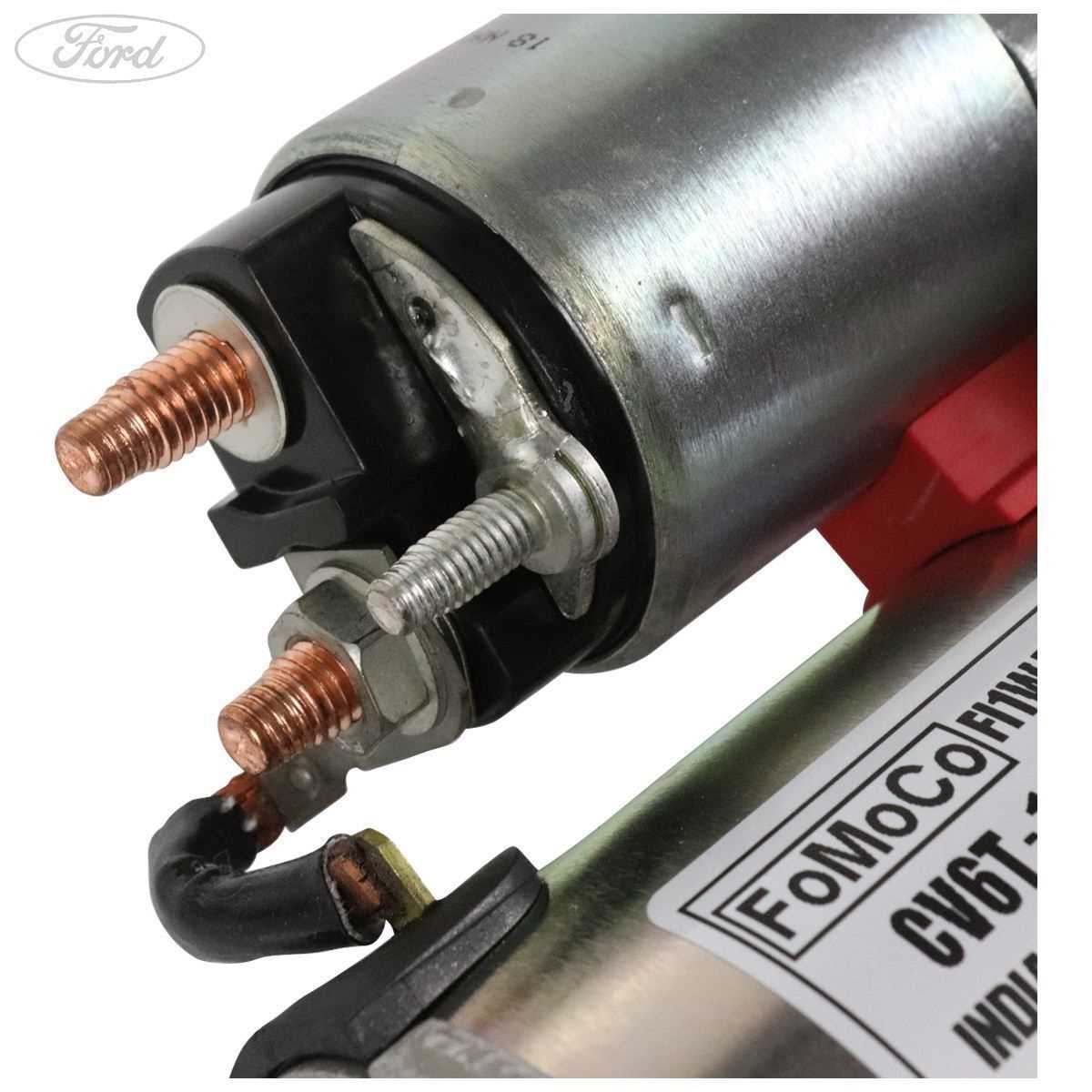
To begin connecting the ignition system to the engine, first identify the key components involved in starting the engine. The battery must be connected to the solenoid, which then engages the motor to crank the engine. Always ensure the battery terminals are clean and tightly secured to avoid any power loss during the startup process.
Next, examine the connections on the solenoid. The large terminal should be connected to the battery’s positive terminal, while the small terminal connects to the ignition switch. This connection tells the solenoid when to engage, allowing the engine to begin cranking. If these wires are loose or corroded, the engine may not start properly.
Be sure to ground the system correctly. The ground wire should be securely fastened to the vehicle’s chassis. A loose or faulty ground can cause the starter motor to fail or operate intermittently. Test the connection by using a multimeter to check for continuity from the solenoid to the ground terminal.
Before finalizing the setup, check the ignition switch for proper operation. A faulty switch can prevent the starter from receiving power. If the system fails to engage despite checking all wiring connections, consider inspecting the ignition switch or testing with a known-good part.
Chevy 350 Starter Wiring Guide
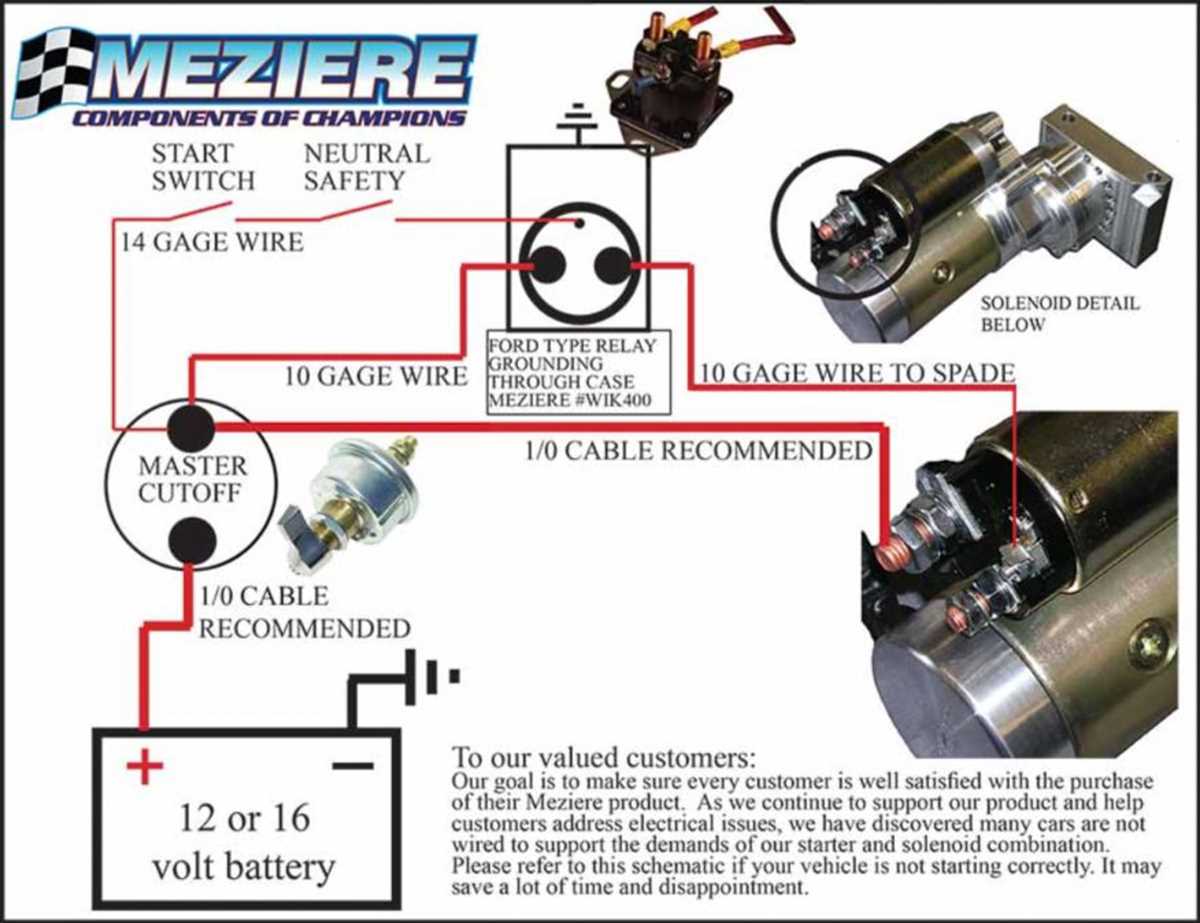
Start by ensuring that the battery is fully charged and securely connected. The positive terminal should be attached to the large terminal on the solenoid, while the negative terminal connects to the vehicle’s ground. Proper grounding is key to preventing electrical faults and ensuring the engine cranks properly.
Solenoid and Ignition Connections
The solenoid acts as a bridge between the ignition system and the motor. The small terminal on the solenoid receives power from the ignition switch. This wire, typically purple, should be securely attached to the switch terminal on the solenoid. A loose or corroded connection here can prevent the motor from engaging.
Once the ignition switch is turned, it sends a signal to the solenoid, which closes the circuit and powers the motor. Ensure the ignition switch wiring is in good condition, as a faulty switch will not activate the solenoid, even if all other connections are correct.
Grounding and Power Supply
A proper ground connection is crucial for the system to function. The ground wire should be connected from the engine block to the vehicle’s frame or the negative terminal of the battery. Check the connection for corrosion or wear, as poor grounding can lead to intermittent issues or complete failure of the system.
If the vehicle doesn’t start after checking the connections, the issue may lie with the solenoid or ignition switch. Using a multimeter, check if the solenoid receives voltage when the key is turned. If it doesn’t, test the ignition switch and its connections.
Another important consideration is the battery’s condition. Ensure that the battery is providing enough voltage to the system. A weak or dead battery can cause the solenoid to fail, preventing the engine from cranking. If the battery voltage is low, replace or recharge the battery before attempting further troubleshooting.
Finally, once all connections are secure and properly grounded, test the system by turning the key to the “start” position. Listen for the solenoid’s click, which indicates that the motor is attempting to turn. If you hear no click, recheck the wiring to ensure all connections are intact and that the battery is fully charged.
Step-by-Step Guide for Wiring the Starter on a Chevy 350
Begin by disconnecting the vehicle’s battery to prevent any accidental short circuits while working on the electrical system. Use a wrench to remove the negative terminal from the battery. Once this is done, locate the solenoid on the motor and identify the main connection points for the wires.
Connecting the Battery and Solenoid
The large terminal on the solenoid connects to the positive terminal of the battery. Use a thick, insulated wire to make this connection securely. Ensure the wire is tight to prevent any loose connections that could cause sparking or intermittent starting issues. If the connection feels loose, tighten it with a wrench.
Attaching the Ignition Switch and Ground Wire
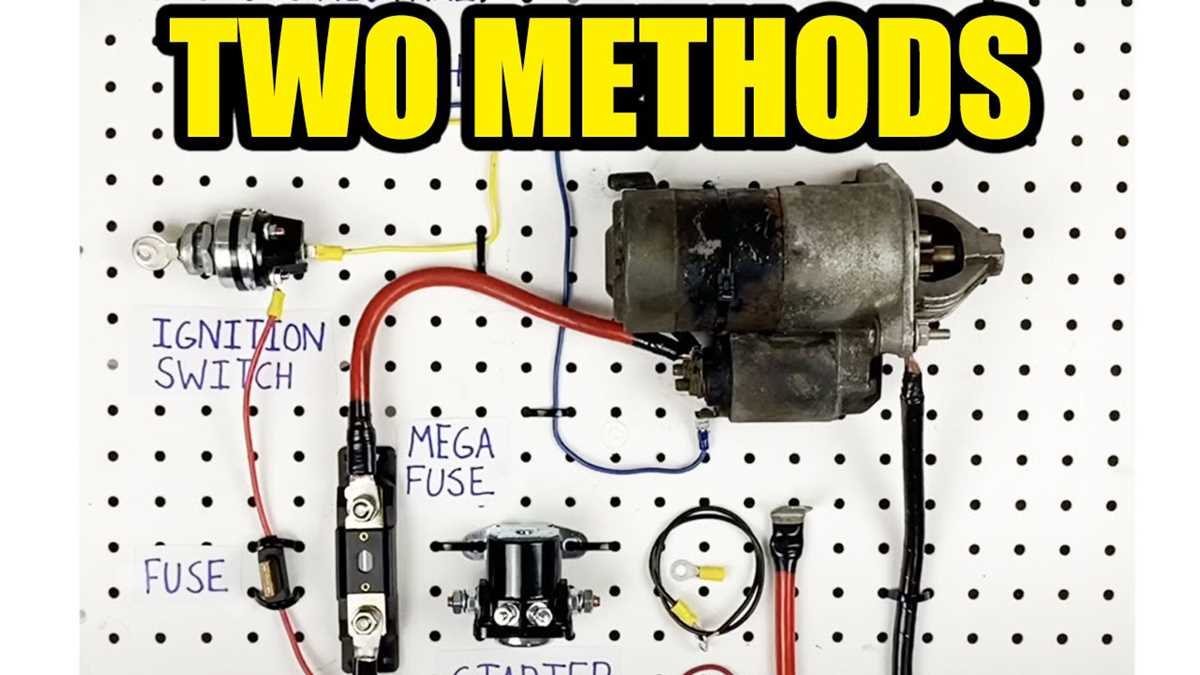
Next, connect the small terminal on the solenoid to the ignition switch using a thin wire, typically purple. This wire sends a signal to the solenoid when the ignition key is turned, initiating the engine cranking process. In addition, ensure the ground wire from the engine block is securely attached to the vehicle’s frame to ensure proper grounding of the electrical system.
Finally, check all connections to make sure they are secure and free of corrosion. If necessary, use electrical contact cleaner on terminals to remove any dirt or oxidation. Once everything is connected, reconnect the battery and test the system by turning the ignition key to start the engine. Listen for the solenoid engaging and the motor turning over to ensure proper functionality.