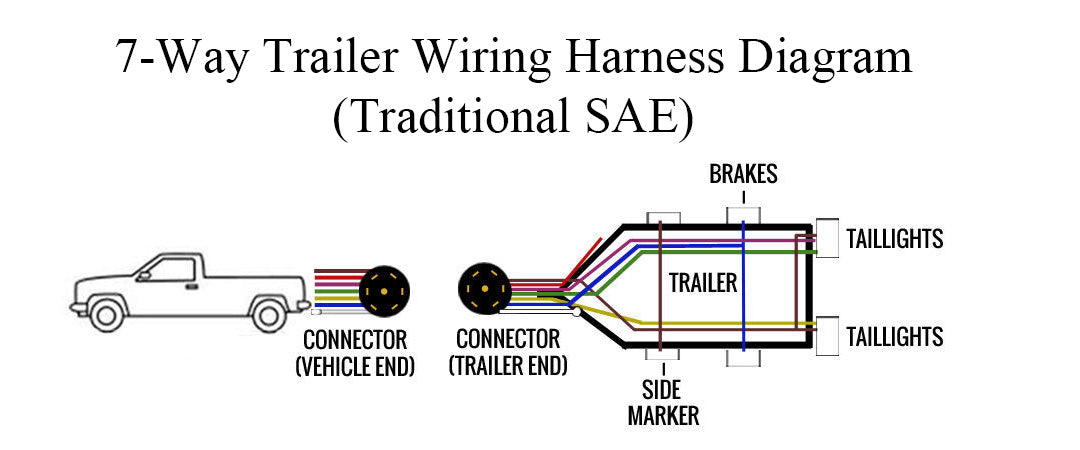
To properly set up the electrical connections for your vehicle and trailer, it’s crucial to understand the pinout of the connector. Each terminal serves a specific function, from powering the lights to providing a ground connection. Knowing the exact purpose of each pin ensures safety and proper functionality when towing.
The first step is to identify the corresponding wires for each function. The 7-pin connector typically includes circuits for left and right turn signals, brake lights, reverse lights, and a 12V power supply. Without proper identification, it’s easy to wire things incorrectly, leading to malfunctioning signals or even electrical shorts.
Once you have a clear understanding of each connection, proceed with carefully matching the wires on both ends of the cable, making sure each one is securely fastened. Poor connections can result in intermittent power or, worse, cause damage to your vehicle’s electrical system.
7 Way Trailer Electrical Connections
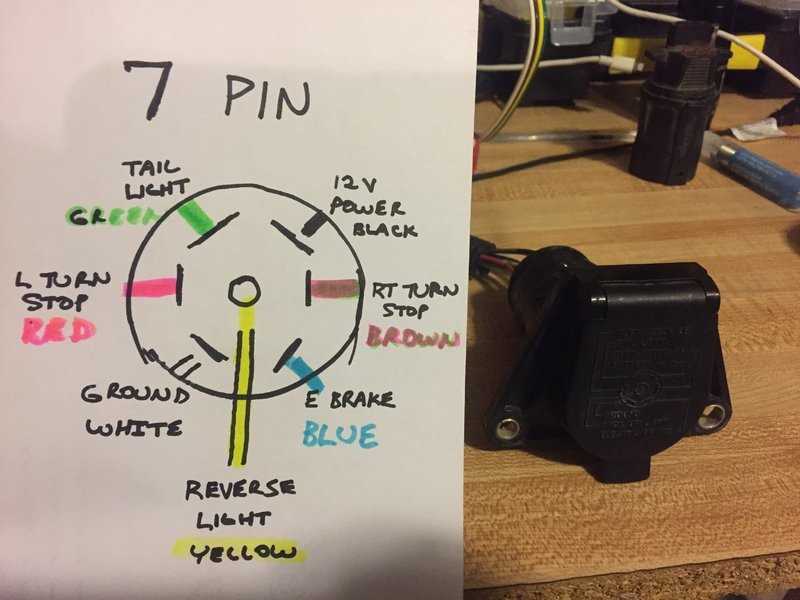
Begin by identifying the correct positions for each wire on the 7-pin connector. This will help you map out the necessary electrical functions for your towing system. The terminals correspond to specific tasks, such as brake lights, reverse lights, and a 12V power supply. Clear labeling or a pinout reference guide will simplify this process.
Pin Assignments and Functions
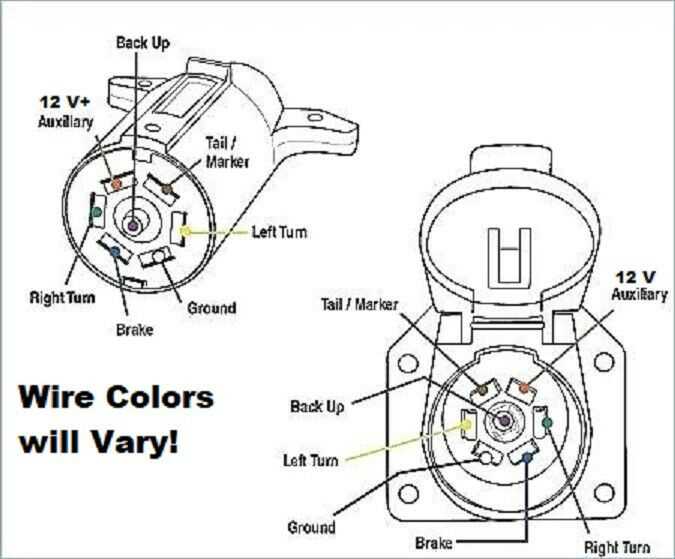
Each pin serves a different function, and it is crucial to match the correct wire for each task. Here’s a typical pinout scheme:
- Pin 1: Left turn signal
- Pin 2: Right turn signal
- Pin 3: Tail lights
- Pin 4: Brake lights
- Pin 5: Ground
- Pin 6: 12V battery (for charging and powering accessories)
- Pin 7: Reverse lights
Each of these circuits plays a role in ensuring that your lighting system works correctly during towing. Make sure to follow this pin configuration to avoid mismatches that could lead to electrical issues or damage.
Steps for Secure Connections
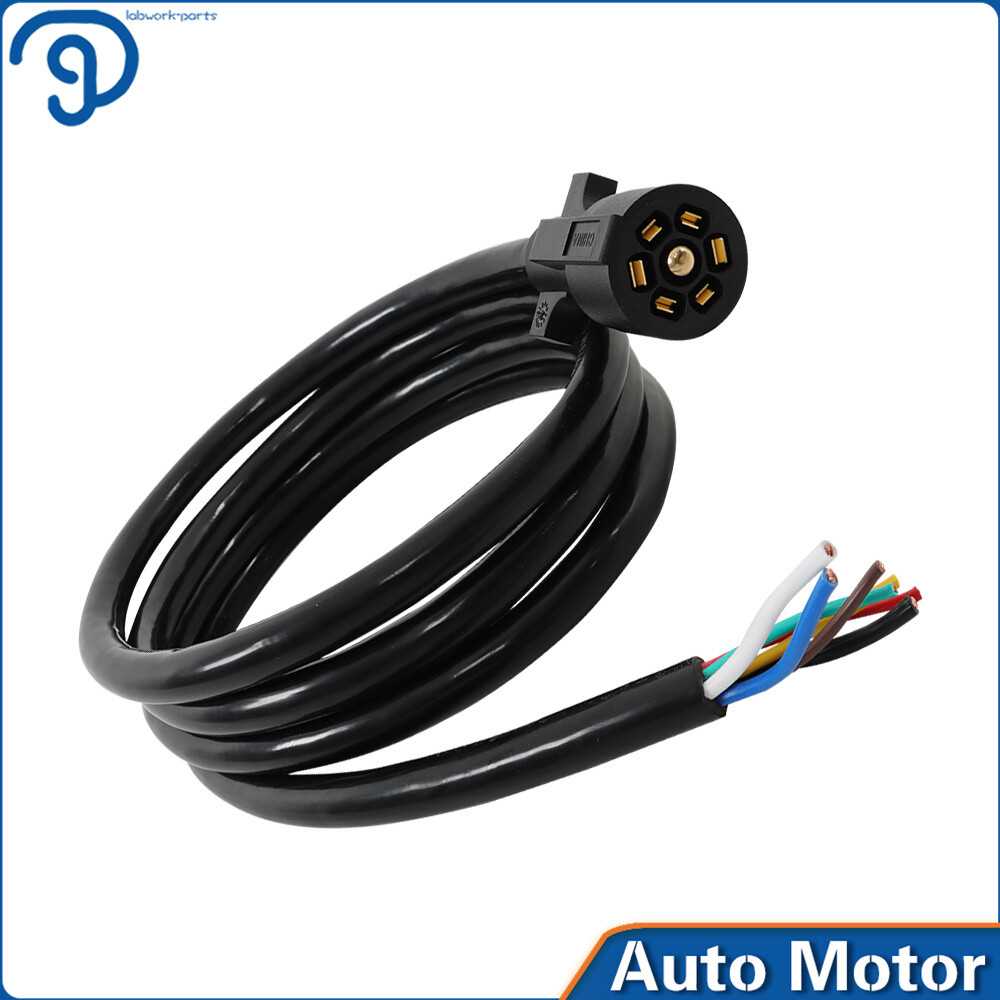
To avoid faulty connections, ensure all wires are securely attached. Use crimp connectors or solder joints to prevent any loose ends. Electrical tape or heat shrink tubing can provide additional insulation for exposed areas. Properly securing each connection is key to long-lasting and reliable performance.
When attaching the ground wire, make sure it is connected to a clean, unpainted metal surface. This will ensure the best possible conductivity and reduce the risk of poor grounding, which can lead to signal malfunctions.
After completing the connections, test the system to ensure each function operates as expected. Check all lights and signals before use to prevent any issues on the road. If a light does not function, inspect the specific wire and terminal for any faults. If necessary, adjust the wiring and connections to rectify the problem.
Understanding the Function of Each Pin on a 7 Way Trailer Plug
The 7-pin connector provides a variety of functions that enable proper communication between your vehicle and the towed unit. Pin 1 is designated for the left turn signal, while Pin 2 handles the right turn signal. These circuits are essential for ensuring the safety of both the vehicle and the towed unit while on the road. Pin 3 is assigned to the tail lights, providing consistent illumination for visibility, especially at night. Pin 4 is dedicated to the brake lights, a crucial signal when slowing down or stopping.
Pin 5 serves as the ground connection, completing the electrical circuit. A solid ground ensures the system works properly and helps avoid issues like flickering lights or loss of power. Pin 6 is responsible for providing 12V power from the vehicle’s battery, allowing you to charge or power devices on the towed unit. Finally, Pin 7 is used for the reverse lights, ensuring that the towed unit’s lights function when backing up. Understanding these functions is crucial for safe and reliable towing, as improper connections can lead to malfunctions or hazards on the road.