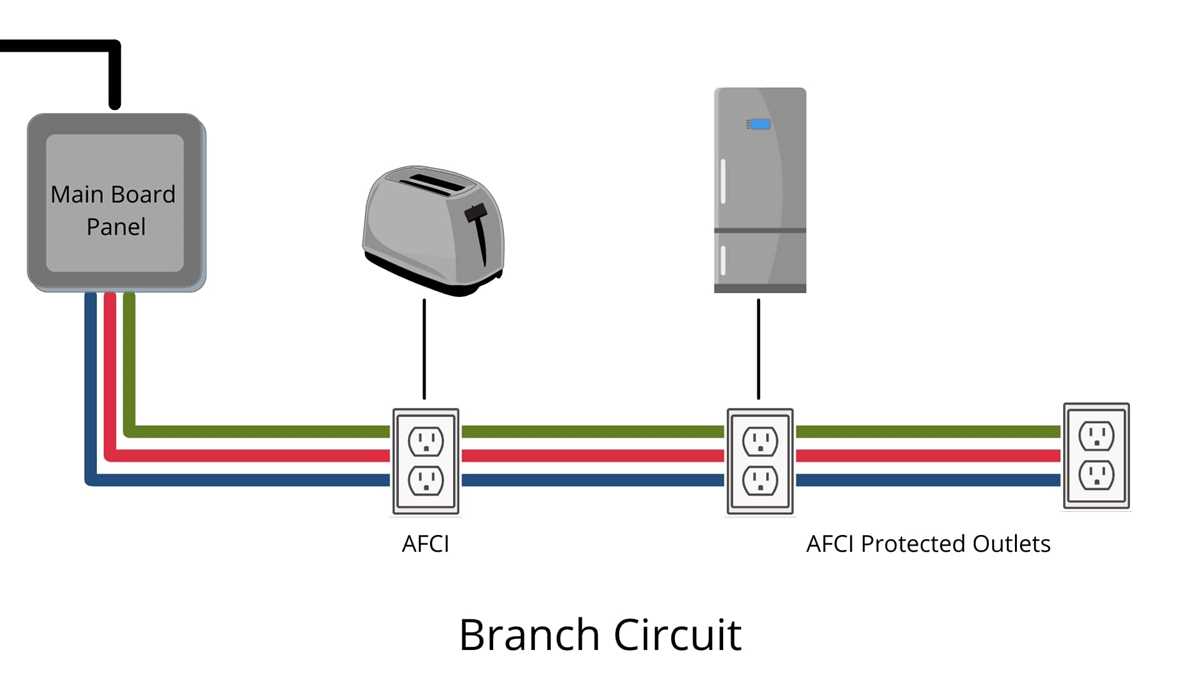
Ensure the main line is de-energized before attempting any connection to prevent shock hazards and equipment damage. Use a non-contact tester to verify voltage absence at terminals.
Identify the input and output connectors clearly by checking the labeling on the device. Line terminals typically receive the supply, while load terminals feed downstream circuits. Mixing these can prevent tripping mechanisms from functioning properly.
Maintain proper torque on all terminal screws to avoid loose connections that can generate heat and trigger false trips. Follow the manufacturer’s torque specifications, usually between 25 and 35 in-lbs, depending on terminal size.
Separate neutral and ground conductors at the connection point. Neutral must connect only to the designated terminal; grounding should never share the same connection. Incorrect separation can compromise protection and violate electrical codes.
Use conductors of correct gauge matched to the rated amperage of the protective device. Undersized wire can overheat, while oversized wire may prevent proper mechanical clamping in terminals.
Label all connected circuits to assist in future maintenance. Include the branch served and the load type, as arc detection devices can respond differently to resistive and inductive loads.
After connections are complete, perform a test by switching on the supply and verifying the device trips under simulated arc conditions using approved testers. Confirm that normal loads operate without nuisance interruptions.
Arc Fault Breaker Connection Guide
Cut off all power sources before connecting the device to prevent electric shock. Verify zero voltage using a reliable tester at both incoming and outgoing terminals.
Identify line and load terminals clearly. Input connectors receive the supply while output terminals distribute power downstream. Reversing them can prevent proper operation and cause false trips.
Use appropriate conductor sizes rated for the amperage of the protective unit. Undersized wires can overheat, and oversized wires may not secure correctly under terminal clamps.
Separate neutral and ground conductors at the connection point. Neutral must only attach to its designated terminal; grounding should remain isolated to prevent unwanted tripping and comply with electrical codes.
Tighten all terminal screws according to specifications to avoid loose connections. Loose terminals can generate heat, create arcing, and trigger nuisance shutdowns.
After connections, test the device with approved simulators to confirm it trips under abnormal conditions while allowing normal loads to operate without interruption. Document the results for future reference.
Identifying Terminals and Line Connections
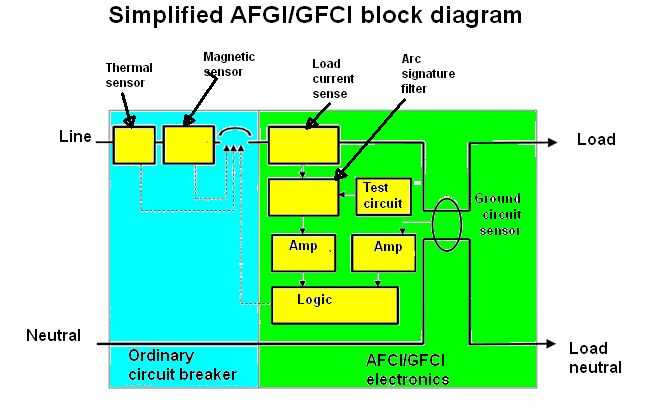
Verify incoming power terminals using a voltage tester to ensure correct identification. Mark the line inputs clearly to avoid reversing supply and load connections.
Check output terminals before connecting downstream circuits. Each output must match the circuit rating, and neutral conductors should only attach to designated points.
Inspect terminal labels and color codes on the protective unit. Black or red typically indicate hot inputs, white or gray for neutral, and green or bare for grounding. Misinterpretation can cause nuisance tripping.
Maintain separation between supply and outgoing conductors inside the enclosure. Avoid crossing or overlapping wires to prevent accidental shorts and maintain proper arc detection performance.
Secure each conductor under the correct terminal screw. Loose or partially inserted conductors can generate heat, create intermittent arcs, and result in false trips.
Double-check line connections after tightening by gently tugging on each wire. Ensure all connections are firm, and no insulation is trapped under screws, which can lead to poor contact and operational issues.
Document all terminal assignments before powering the system. Accurate labeling and photos help during troubleshooting, future upgrades, and ensure compliance with electrical standards.