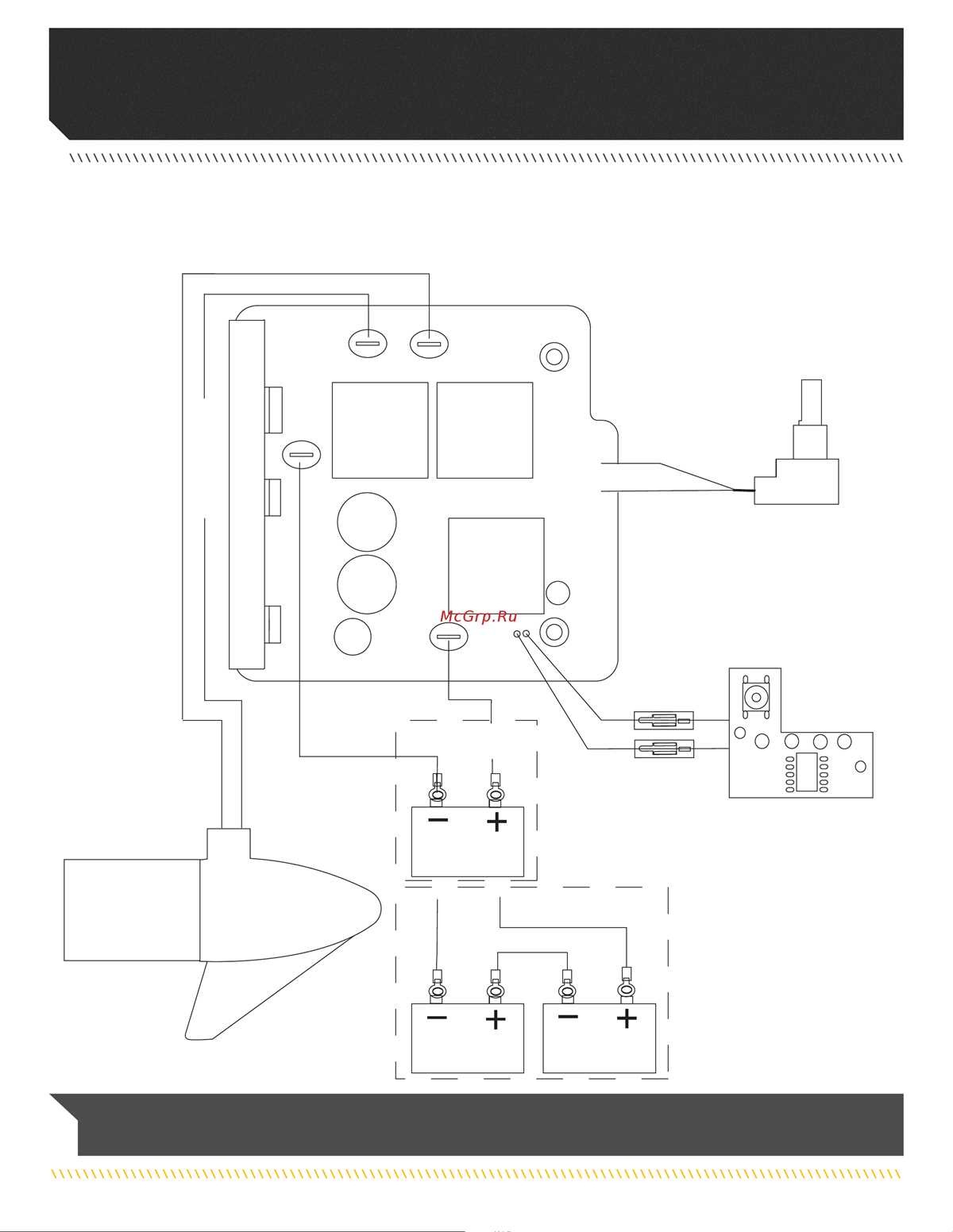
Use a dedicated deep cycle battery rated at 35Ah or higher to prevent voltage drops that can damage electronic components during operation.
Always install an inline fuse within 12 inches of the positive terminal to protect the propulsion unit from short circuits and overloads.
Identify the main leads by color: red for positive, black for negative, and green for control feedback. Keep wires separated to avoid magnetic interference.
Route cables carefully along the hull to minimize chafing. Secure them with non-conductive clamps to maintain consistent connection under vibration.
Confirm polarity before connecting the control head to prevent reverse current that can burn out the system electronics.
Test the system on a low setting first to ensure all connections are stable. Check for heat buildup in terminals and wires during initial operation.
Connection Guide for 12 Volt Boat Propulsion System
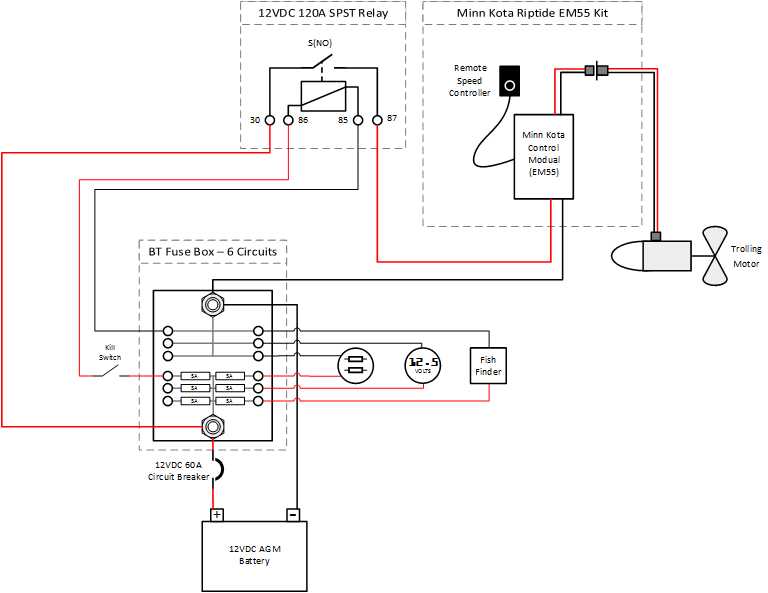
Use a deep cycle battery rated at 35Ah or higher to ensure consistent power delivery. Connect the positive lead to an inline fuse located within 12 inches of the battery terminal to protect the system from short circuits.
Identify the primary conductors by color: red for positive, black for negative, and green for control feedback. Keep each lead separated and secured along the hull with non-conductive clamps to prevent interference and abrasion.
Before attaching the control unit, confirm polarity to avoid reverse current that could damage electronics. Tighten terminal screws to manufacturer torque specifications to maintain stable connections under vibration.
Perform an initial test at the lowest speed setting, monitoring for heat at connections and any unusual voltage drops. Adjust cable routing if any resistance or movement is observed during operation to maintain long-term reliability.
Power Source Selection and Fuse Protection
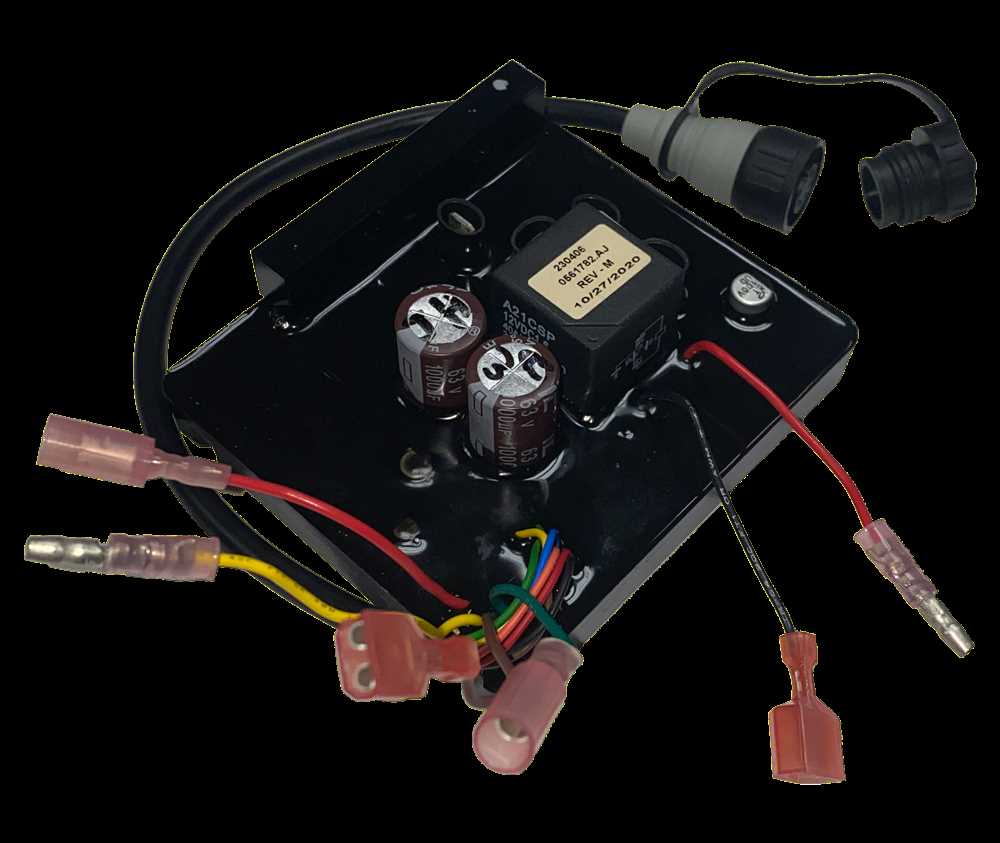
Choose a deep cycle battery with a minimum rating of 35Ah to maintain stable voltage during extended operation. Avoid automotive starter batteries, as they cannot sustain continuous current draw and may overheat.
Install an inline fuse on the positive lead within 12 inches of the battery terminal. Select a fuse rated 125–150% of the maximum current draw of the propulsion unit to prevent overcurrent while allowing normal operation.
Use properly sized gauge cables to minimize voltage drop. For runs under 10 feet, 10 AWG copper wires provide sufficient capacity, while longer runs may require 8 AWG to ensure full power delivery at the control head.
Secure all connections with corrosion-resistant terminals and apply dielectric grease to prevent oxidation. Check that the fuse holder is rated for the system’s amperage and is easily accessible for inspection and replacement.
Before full deployment, perform a brief operational test at all speed settings. Monitor voltage at the battery terminals and the temperature of all connectors to confirm that the power source and fuse provide reliable protection under load.