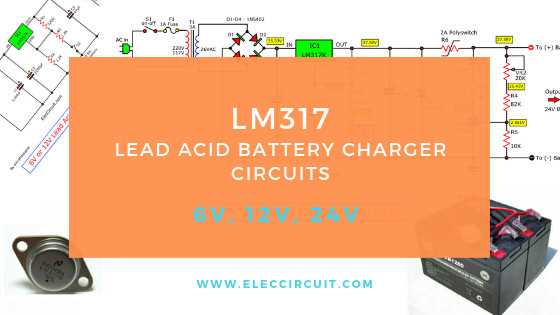
Connect the transformer primary to a stable AC source rated for at least 220 volts. Verify insulation on all input leads and secure mounting to prevent vibration or movement during operation.
Attach the rectifier assembly to convert AC to a controlled DC output. Use heat sinks for the diodes to prevent thermal overload and ensure consistent voltage delivery under load.
Install the voltage regulator and current limiting components between the rectifier and output terminals. Adjust the potentiometer to set the maximum charging current and verify output with a multimeter before connecting any storage cells.
Include protective devices such as fuses or thermistors inline with the positive output. These prevent overcurrent or short-circuit damage and enhance the durability of the entire charging assembly.
Complete 24v Battery Charger Schematic with Transformer and Regulator Connections
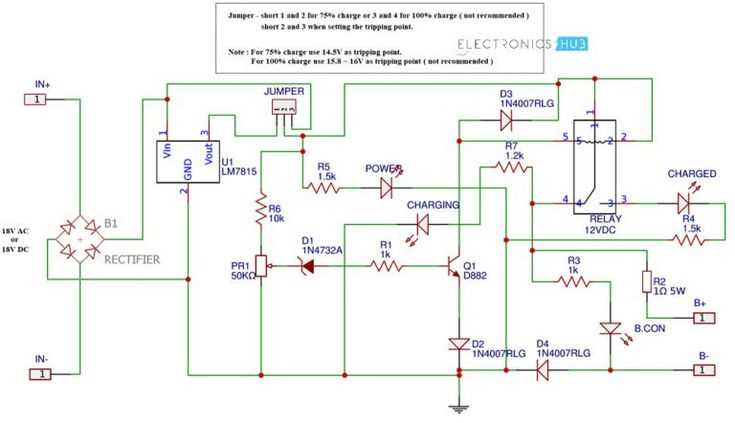
Mount the transformer on a non-conductive base and secure all primary leads with insulated connectors. Confirm input voltage compatibility and check that screws are tightened to prevent movement under load.
Attach the bridge rectifier immediately after the transformer secondary. Ensure diodes are oriented correctly and add thermal pads or heat sinks to manage current flow and reduce heat buildup during prolonged operation.
Connect the smoothing capacitor across the DC output to minimize voltage ripple. Choose a capacitor rated at least 1.5 times the maximum expected voltage to maintain stable charging under varying load conditions.
Install the voltage regulator with proper cooling and connect the current limiter inline with the positive output. Adjust the potentiometer gradually while monitoring the output with a multimeter to prevent exceeding safe charging levels.
Include inline fuses and a thermistor to protect against short circuits and overcurrent situations. Place the fuse near the input side and secure all wiring to prevent accidental disconnection or abrasion.
Test the assembled system with a resistive load before connecting any storage cells. Observe voltage stability and heat generation at each component, making adjustments to heat sinks or cable routing as necessary.
Setting Up the Transformer and Rectifier for Stable Voltage
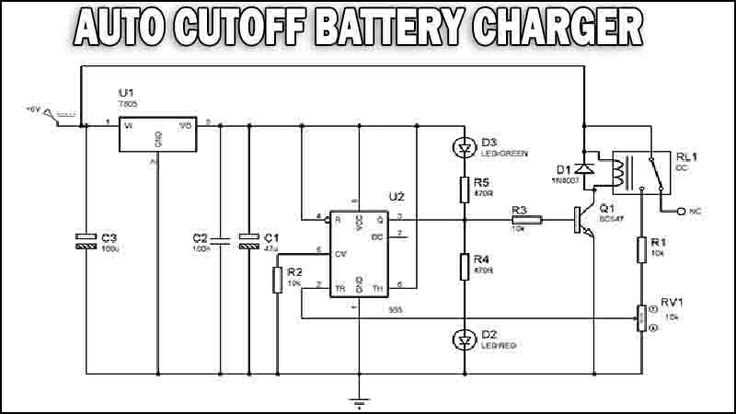
Secure the transformer on a non-conductive base and verify primary winding connections. Ensure the input voltage matches the transformer rating and tighten all terminal screws to maintain firm contact. Use insulated terminals to prevent accidental shorts.
Connect the rectifier immediately after the secondary winding to convert AC to DC. Mount diodes on heat sinks and confirm polarity before powering. Add a smoothing capacitor across the output to reduce voltage ripple and maintain steady output for sensitive downstream components.