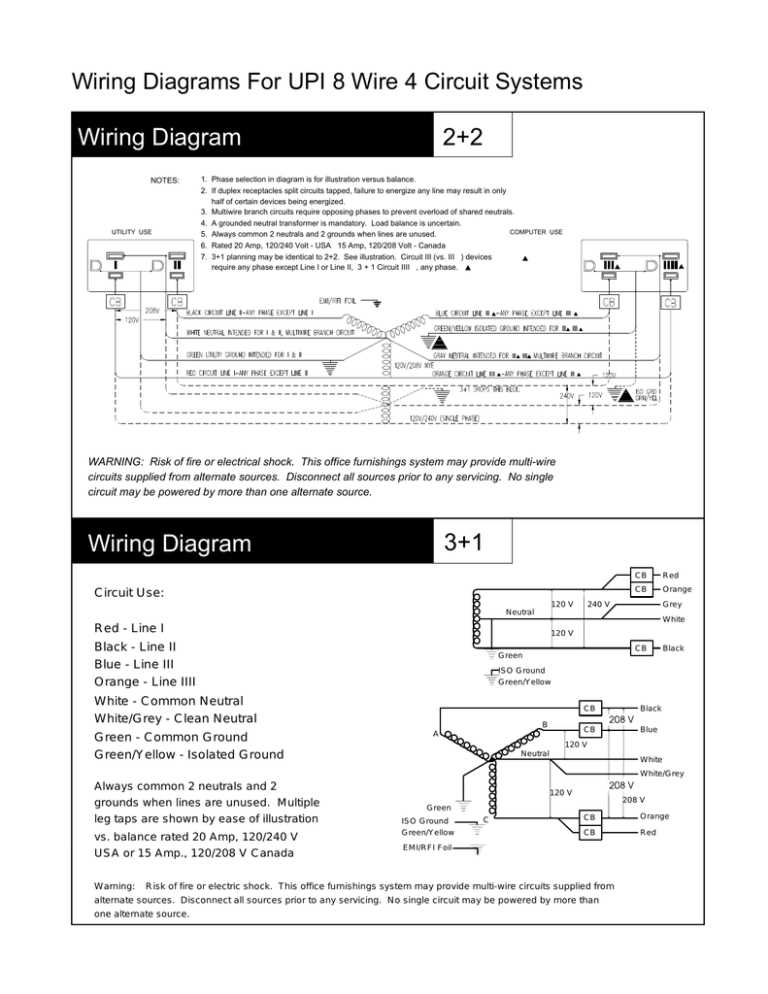
If you are setting up a high-voltage system, it’s crucial to understand how to correctly connect the components to ensure both efficiency and safety. Start by identifying the primary elements of the system–namely the two hot wires, ground, and neutral connection. Each of these wires plays a specific role in distributing power effectively. The two hot wires should be connected to a breaker in the panel to properly distribute electricity throughout the circuit.
For a successful installation, always use the right gauge of wire. A 10-gauge wire is typically used for a 30-amp circuit, while a 12-gauge is suitable for a 20-amp configuration. Make sure to follow local electrical codes to avoid violations and ensure the system works within safety standards. Grounding is just as important, as it directs any excess energy safely away from devices.
Once the connections are established, ensure you test the setup with a voltage meter to confirm the correct flow of electricity. This step is crucial before any appliances are connected to avoid electrical damage. Pay attention to the polarity of connections and the voltage across terminals–wrong connections can lead to hazards or malfunctioning systems.
240 Volt Electrical Wiring and Connection Guide
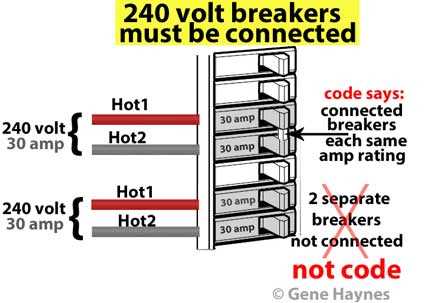
When setting up high-voltage systems, it is crucial to properly understand the connections required for safety and functionality. Start by ensuring that the two hot conductors are properly routed and connected to the corresponding breakers in your main panel. Each hot wire carries 120 volts, and when combined, they provide a 240-volt supply to the circuit.
Ensure that your installation uses the correct gauge of wire for the amperage of the system. For a 20-amp setup, use 12-gauge wire, while a 30-amp configuration typically requires 10-gauge wire. The wire should always match the breaker size for the system to handle the load safely without risk of overheating or failure.
The neutral wire is essential to complete the circuit, providing a return path for the electricity. It should be securely connected to the neutral bus bar in the panel. Avoid skipping this step, as it ensures that excess electricity is returned to the source properly and prevents electrical hazards.
For grounding, always use a separate grounding wire to connect the system to the grounding rod or bus bar. Grounding provides an escape route for electrical faults, protecting both the system and its users from potential electric shock or fire. Grounding wires should never be shared with neutral connections to maintain safety standards.
It’s also critical to connect the system to the correct terminals of the appliance or equipment. Typically, appliances designed for high-voltage use will have a terminal block with designated places for hot, neutral, and ground connections. Make sure you follow the manufacturer’s specifications carefully to prevent malfunctions.
Before powering up the system, double-check all connections to ensure that there are no loose wires or incorrect placements. If you are unsure about any connections, always consult with a licensed electrician. Mistakes can lead to system failure or, worse, electrical fires.
Once all the wiring is in place, use a multimeter to verify the voltage levels and test the connections. This helps confirm that the electricity is flowing properly through the system and that there are no hidden issues with the wiring that could cause problems later.
Finally, ensure that all work is compliant with local electrical codes. Many regions have strict guidelines that must be followed to ensure the system’s safety and longevity. It’s a good practice to have a licensed electrician inspect the work after installation to verify that everything meets the required standards.
Understanding the Wiring Configuration for 240 Volt Circuits
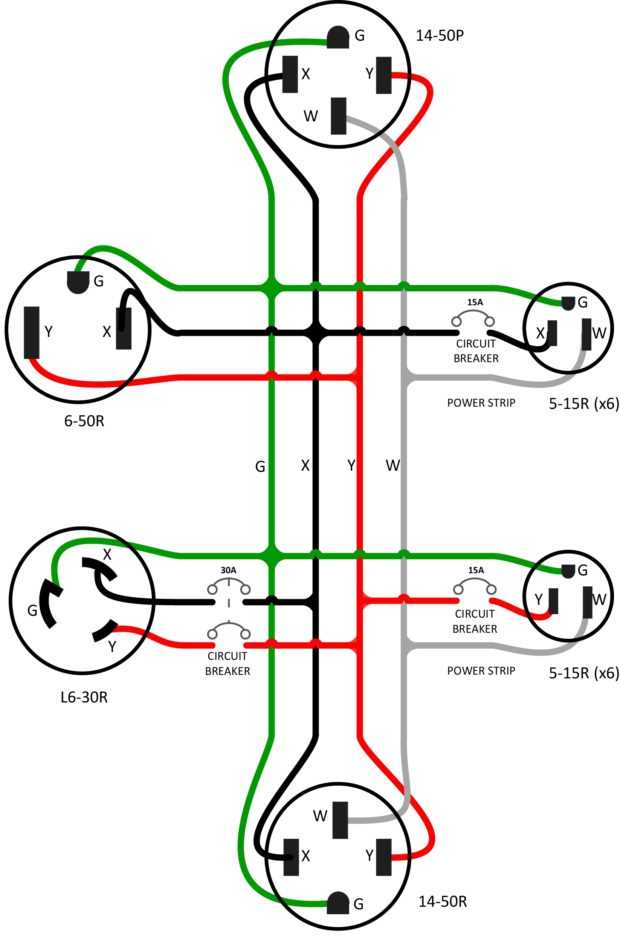
To set up a high-voltage system properly, two hot wires must be used. Each wire should carry 120 volts, and when combined, they provide the required 240-volt supply. These wires connect to opposite phases of the electrical panel to ensure the correct voltage is distributed across the circuit.
Proper wire gauge selection is necessary for safe operation. For standard 20-amp circuits, a 12-gauge wire is sufficient. If the system requires a higher amperage, such as 30 amps, a 10-gauge wire is recommended. Ensure that the wire size matches the circuit breaker rating to avoid overheating and potential fire hazards.
In addition to the hot wires, the system requires a neutral wire to complete the loop. This wire is crucial for returning the current to the source. The neutral wire should be connected securely to the neutral bus bar in the main panel, ensuring proper current flow and reducing the risk of electrical malfunctions.
Another important component is the grounding system. The grounding wire connects the electrical system to the earth, preventing dangerous electrical surges. Grounding is achieved by attaching a separate wire to the ground bus bar in the panel and extending it to an earth rod or grounding system, which helps dissipate electrical faults safely.
Once the connections are complete, it’s important to check each one for correctness before energizing the system. A voltage tester or multimeter should be used to ensure that the voltage across the two hot wires is exactly 240 volts and that the neutral and ground wires are functioning properly. This helps ensure both safety and functionality for the entire setup.