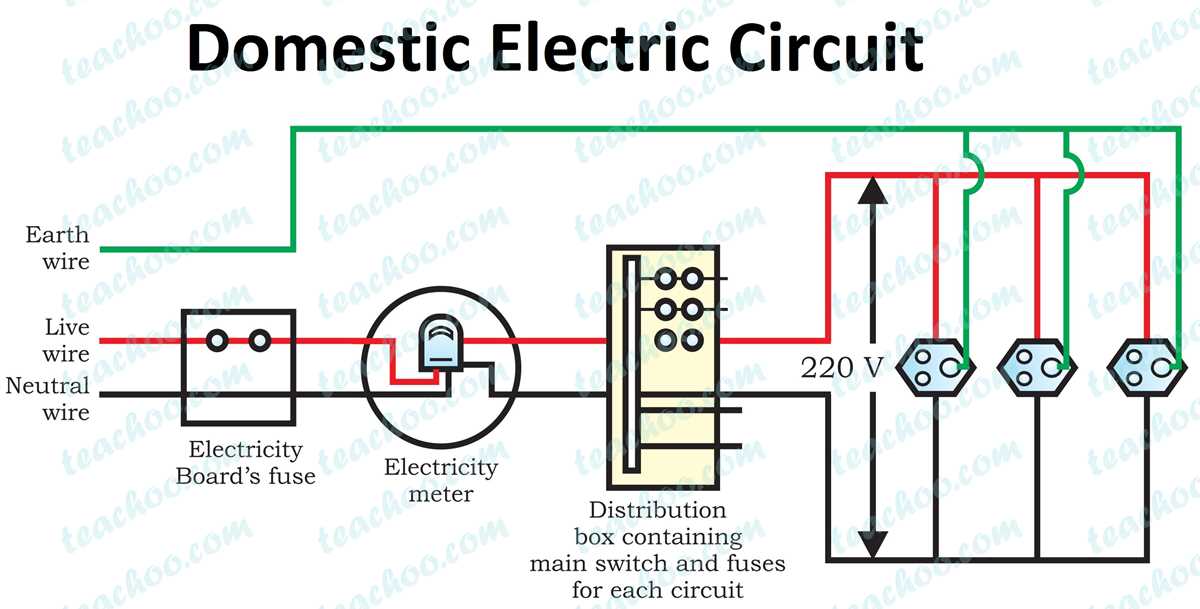
To properly install electrical systems in your home, start by understanding the main components involved in power distribution. Ensure all connections are secure and comply with safety standards to avoid potential risks like overloads or short circuits. Identifying which wire connects to each electrical outlet, switch, and appliance is crucial for a seamless setup.
It’s important to check the layout before beginning the installation. Mapping out the routes for cables, determining the correct fuse ratings, and considering the placement of outlets will significantly improve the safety and efficiency of your electrical system. Additionally, ensure that you are familiar with the grounding procedures for all circuits.
When working with household electricals, attention to detail is vital. For example, use high-quality connectors to ensure durability and reliable performance. Additionally, color-coding the connections for easy identification of live, neutral, and ground wires can save time and prevent mistakes during both installation and maintenance. Keep a standard testing procedure to verify the system is functioning correctly before use.
Guide to Setting Up Household Electrical Connections
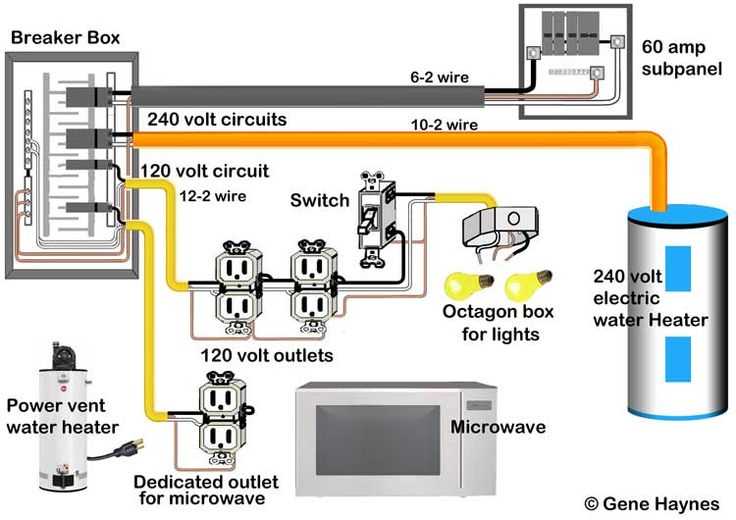
Before starting any installation, carefully identify the power source, distribution board, and appliances you plan to connect. Label each wire to avoid confusion during the setup process. Always start by identifying the incoming and outgoing lines to prevent accidental short circuits.
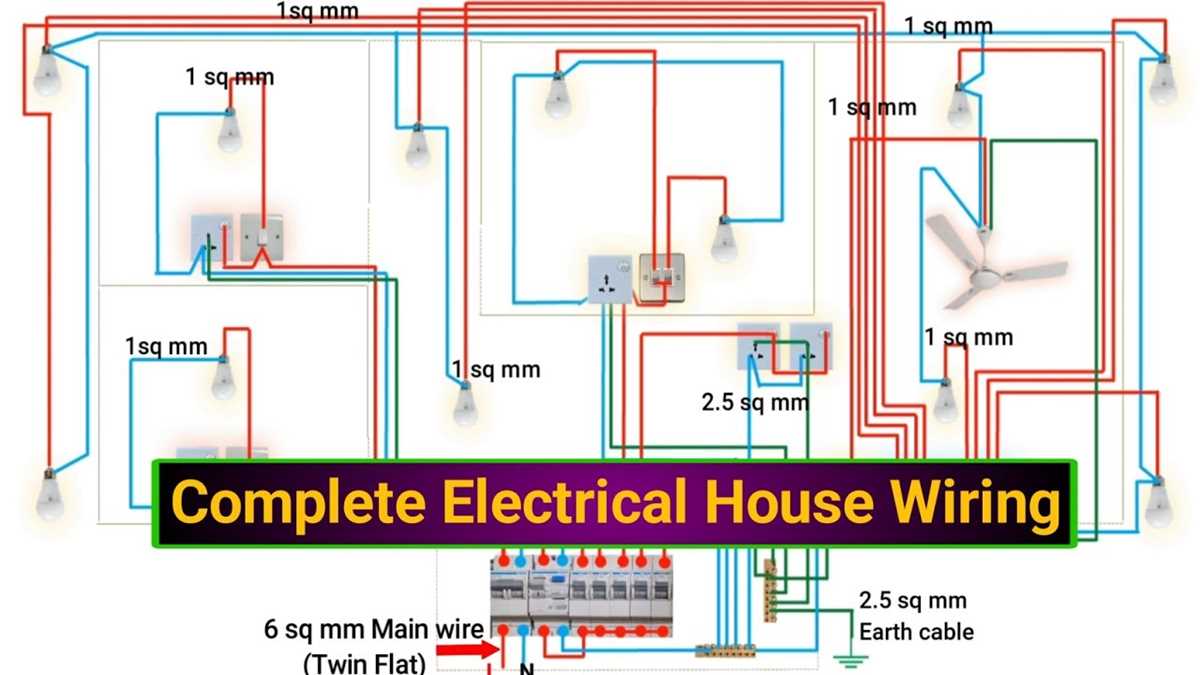
The first step is to ensure your main fuse box is properly installed and accessible. It serves as the control point for all the connections in your home. Proper grounding must be done to protect the entire system. Check your local electrical code to ensure you’re complying with safety standards.
Next, ensure the correct wire gauge is used for different circuits. For example, use thicker wires for high-load appliances like ovens and air conditioners, and thinner wires for lighting and outlets. This helps maintain safety and system reliability. Be mindful of the voltage requirements of each device as well.
Use proper insulation to cover exposed wires, especially when running them through walls or ceilings. You may also want to consider adding a junction box in areas where wires meet. This provides additional safety by containing any sparks or heat in case of an overload.
After completing the installation, check the polarity of each connection with a multimeter to verify that the current flows as expected. Test each device by switching it on, and ensure that the power source is stable. If any device doesn’t function properly, disconnect it immediately and inspect the connections for any loose or faulty wiring.
Finally, always follow local electrical regulations. These codes are designed to prevent fires, electrocution, and other hazards. Be sure to consult a licensed electrician if you’re unsure about any aspect of your setup, as mistakes can lead to serious consequences.
Understanding the Basic Electrical Connections in a Home Setup
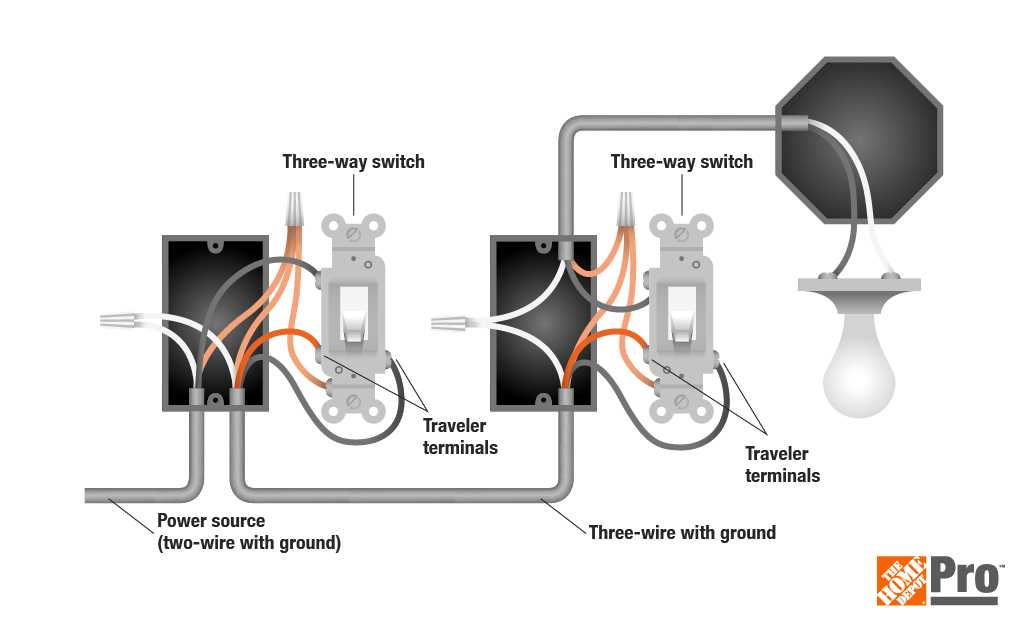
To start, identify the main power source that feeds electricity into the home. This is typically connected to the distribution panel, where power is split and directed to various parts of the house. Ensure all connections are properly insulated to prevent short circuits. Check that all cables are securely attached and meet the voltage requirements for your home.
Next, focus on grounding. Proper grounding is critical for safety, as it directs any stray electrical currents safely into the earth. Ensure that each appliance and outlet is connected to the ground wire, which should be clearly marked and connected to the main grounding rod outside the house. Failure to ground properly can lead to dangerous electric shocks or fires.
Finally, each room or section of the home will have its own dedicated line for power. These lines should be color-coded for easy identification, and devices such as outlets, light fixtures, and switches must be correctly connected according to their specific roles in the circuit. Always double-check the connections and, if unsure, consult a licensed electrician to avoid risks.