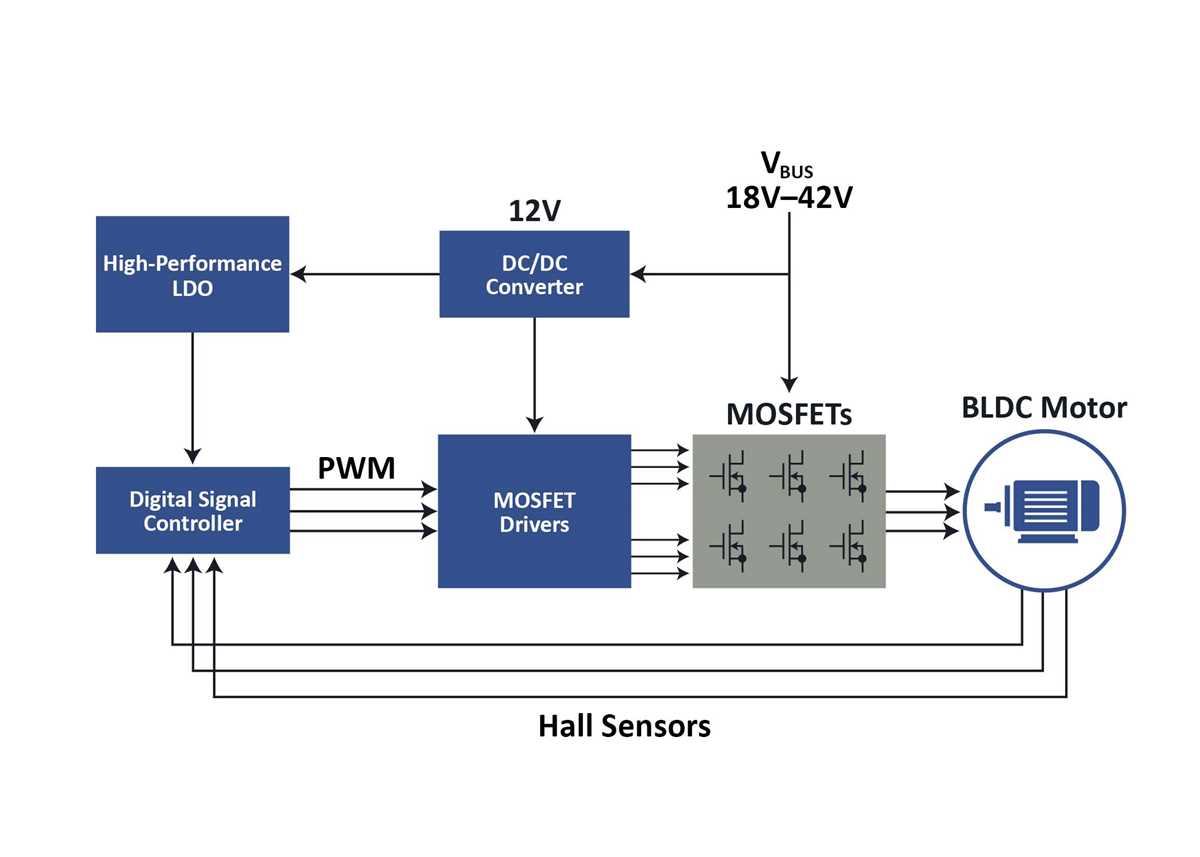
Ensure the battery leads match the controller terminals exactly to prevent shorts or permanent damage. Positive and negative poles should be clearly labeled and secured using proper connectors rated for at least 30 amps.
Motor output lines must follow the designated sequence to maintain correct rotation. Swapping any two wires can reverse the motor direction, affecting braking and stability, so verify phase markings before final assembly.
Include a fuse between the battery and the controller to protect the system from overloads. A 40-50 amp automotive-style fuse is recommended, positioned close to the power source to minimize wiring exposure.
Throttle and brake signal wires require precise placement on the control module terminals. Incorrect alignment can prevent acceleration or disable regenerative braking functions, so double-check terminal colors and markings before connecting.
Electric Scooter Circuit Overview and Connection Guide
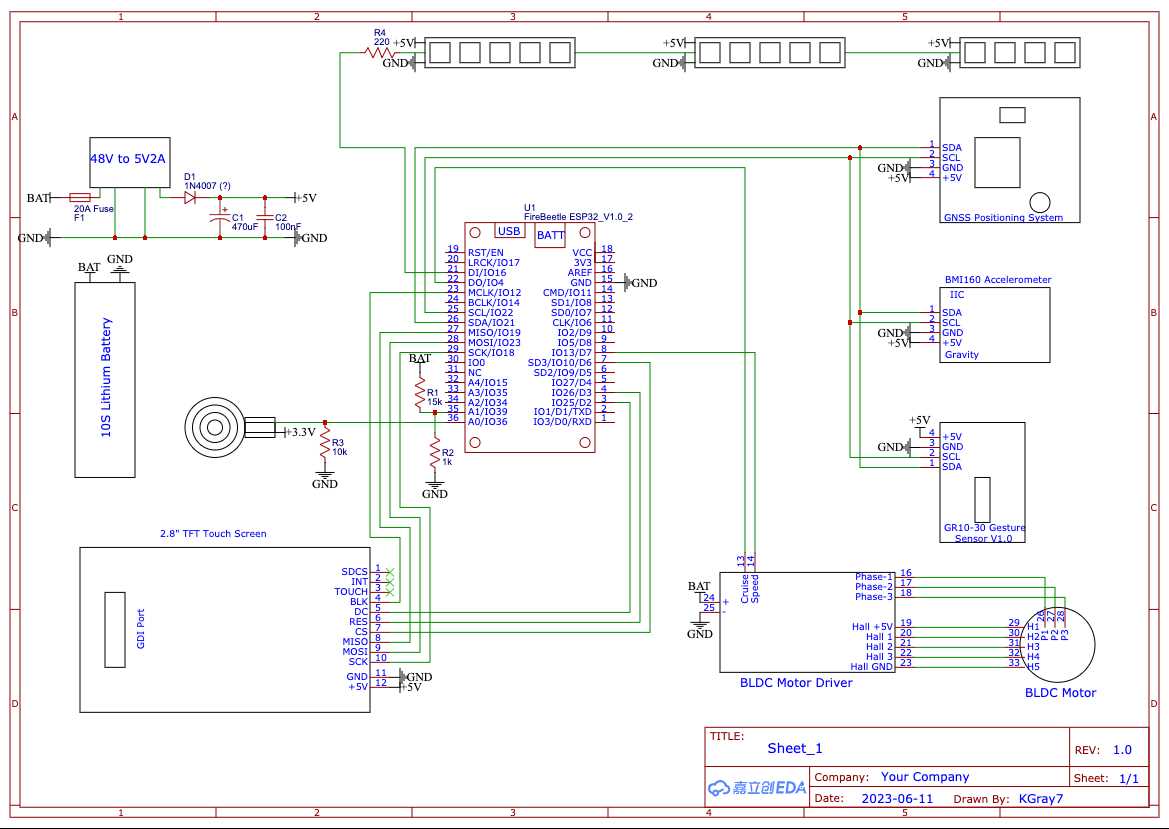
Connect the main power leads directly to the controller terminals with attention to polarity. Red wires indicate positive voltage, black indicates negative, and all connectors should be insulated to prevent accidental shorting during assembly.
Phase wires from the motor must align with the controller outputs according to color coding. Swapping any of the three lines can reverse rotation, which impacts braking systems and sensor alignment, so confirm sequence before final tightening.
Integrate a properly rated fuse between the battery and control module to protect against sudden surges. Position the fuse close to the battery terminals and use connectors that can handle at least 30-50 amps, depending on the battery specification.
Throttle, brake, and sensor wires must be routed without tension to avoid signal interruption. Match each color-coded lead to its respective terminal, and secure all connections with locking clips or heat-shrink sleeves to maintain consistent contact under vibration.
Identifying Key Components and Their Functions
Locate the main controller unit first as it governs power distribution and motor speed. Verify that input from the battery pack is secure and that output connectors match the motor and auxiliary systems. Each sensor lead must correspond exactly to its terminal to maintain precise feedback and avoid malfunction.
Examine throttle, brake, and display modules carefully since they regulate acceleration, deceleration, and user interface signals. Ensure all plugs fit snugly, wires are color-coded correctly, and protective sleeves are intact to prevent shorts or intermittent connections under operational stress.