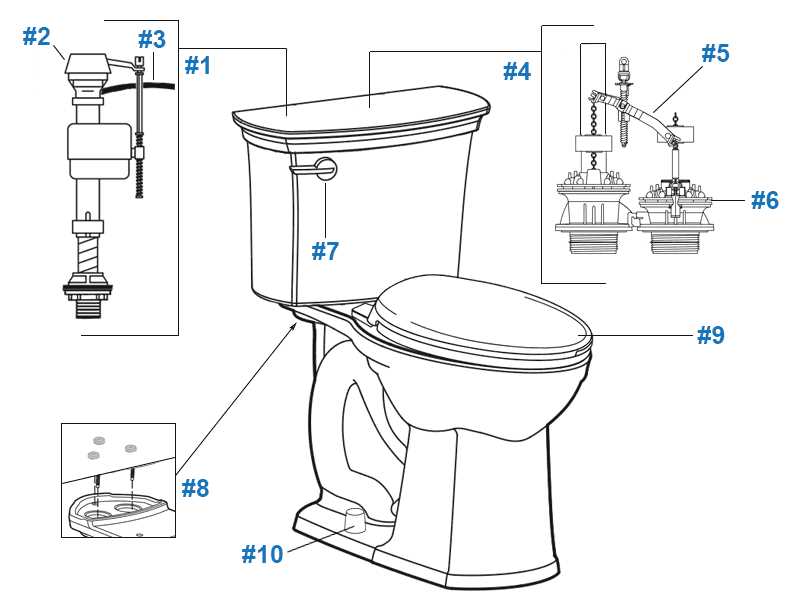
If you’re experiencing issues with flushing or water level control, it’s likely one of the internal components needs attention. Each part within the water chamber plays a vital role in ensuring the proper functioning of your system. Identifying and replacing malfunctioning components can restore its operation without needing a professional plumber.
The fill valve controls water flow into the chamber, while the flush valve opens to release water when you press the handle. A faulty float can also prevent proper water level regulation. By understanding how these components work together, you can troubleshoot and fix common issues without unnecessary repairs.
When dealing with issues such as leaks or water wastage, first inspect the seals and gaskets, as they are often the culprits behind unwanted drips. Understanding the function of each component will help you avoid mistakes during repairs and maintenance, saving time and money in the long run.
Toilet Tank Component Breakdown and Troubleshooting
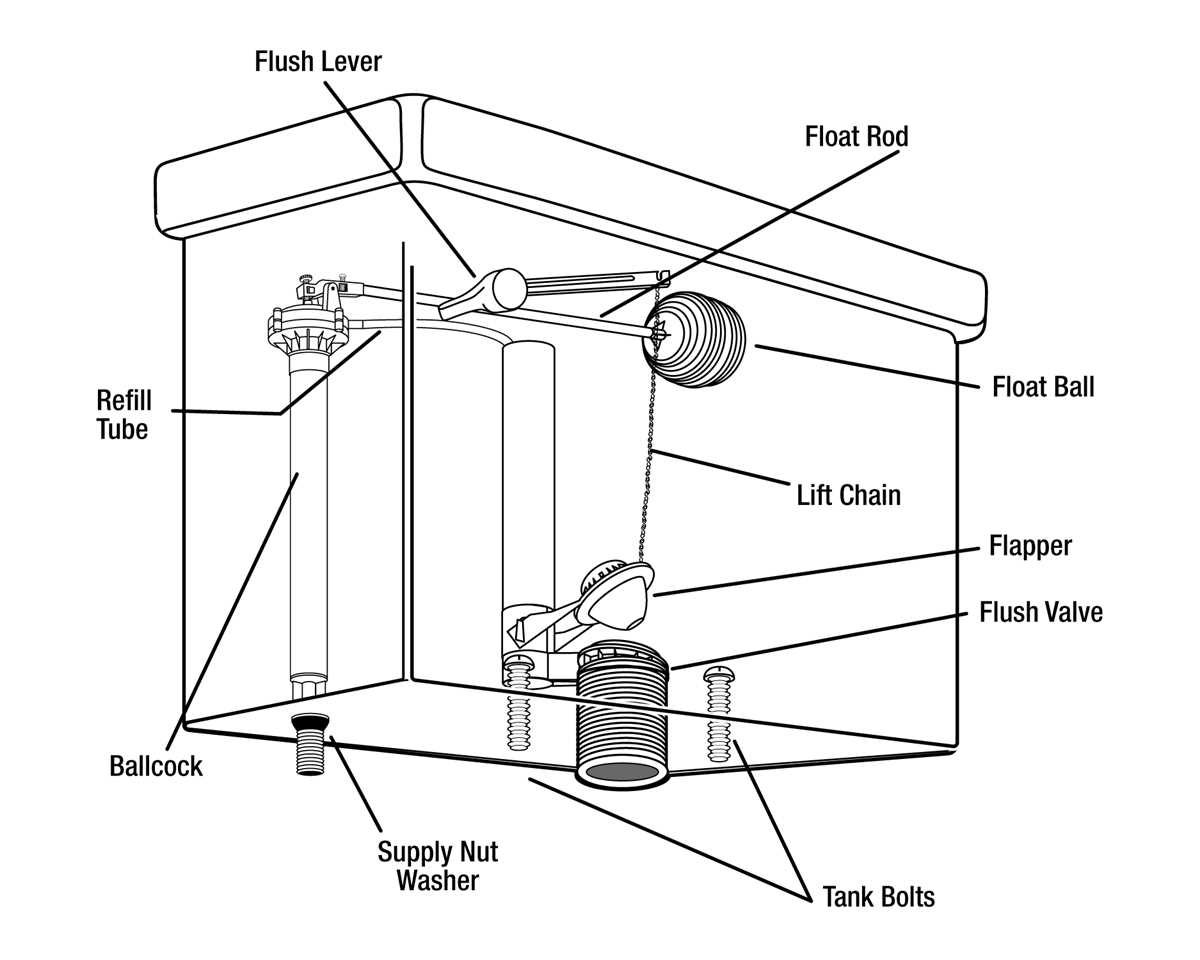
Start by inspecting the fill valve if water isn’t entering the system properly. A malfunctioning fill valve will result in either too much or too little water. If the water continues running, the float might be stuck or incorrectly adjusted. Ensure the float moves freely and is set to the correct height for optimal water levels.
If the flush isn’t activating correctly, check the flush valve and chain connections. A loose chain or a misaligned flush valve can prevent the proper release of water. Ensure the chain has enough slack for easy movement but isn’t too loose to cause inefficiency.
Leaks can often be traced back to the gasket or seals around the flush valve. These components degrade over time, leading to unwanted water flow. Replacing the seals and tightening any loose bolts should resolve the issue. Always check for wear and tear on all rubber components to avoid persistent leaks.
Identifying Key Components in Toilet Tank Mechanism
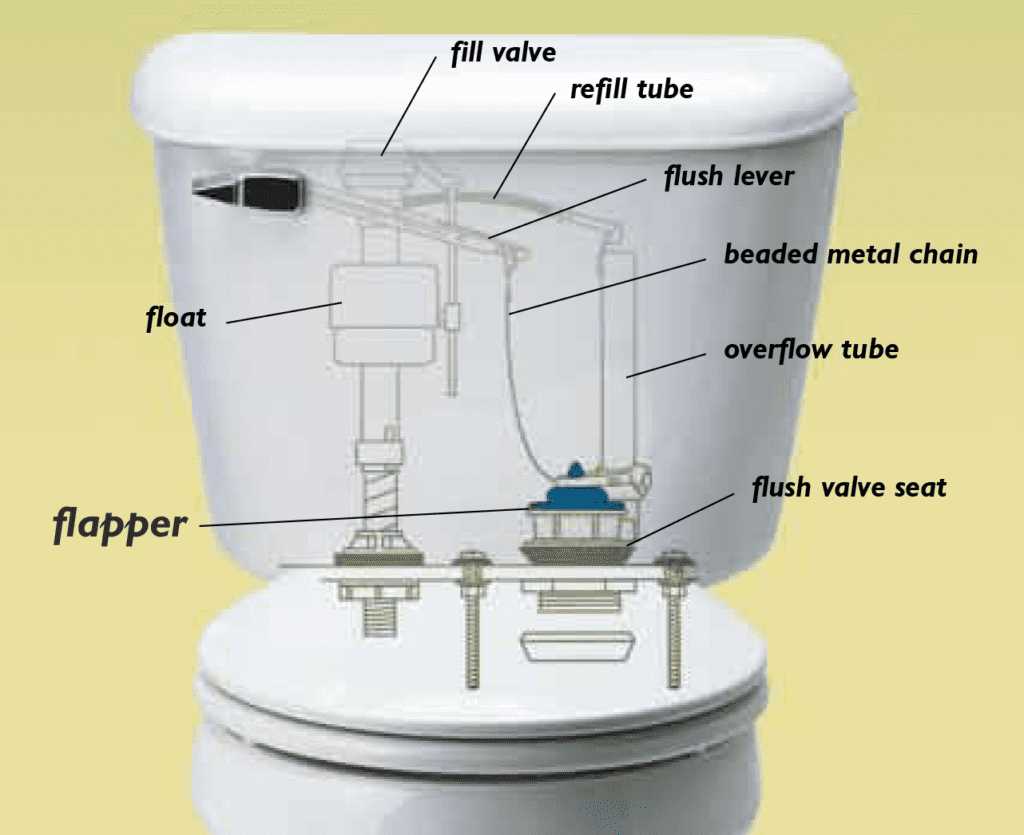
The fill valve controls the flow of water into the system. If water isn’t filling properly, check this part for clogging or misalignment. A faulty valve can cause the water to flow inconsistently, leading to overflows or inadequate filling.
The float is another key component that regulates the water level. It rises with the water and shuts off the fill valve once the correct level is reached. If the float is misadjusted or stuck, it will either allow the water to overflow or result in low water levels.
The flush valve allows water to exit the system when the flush is activated. If the flush mechanism is not working, the valve or its components may be damaged or clogged. A damaged valve can cause slow or ineffective flushing, requiring replacement or cleaning.
The chain connects the flush lever to the flush valve. If the chain is too tight or too loose, it can cause the valve not to open properly. Adjust the chain to ensure it moves freely and activates the flush as needed.
The gasket and seals around the flush valve prevent leaks. Over time, these parts wear out and cause water to leak from the system. Inspect the seals regularly and replace them if any signs of degradation are visible.
How to Replace Common Toilet Tank Components
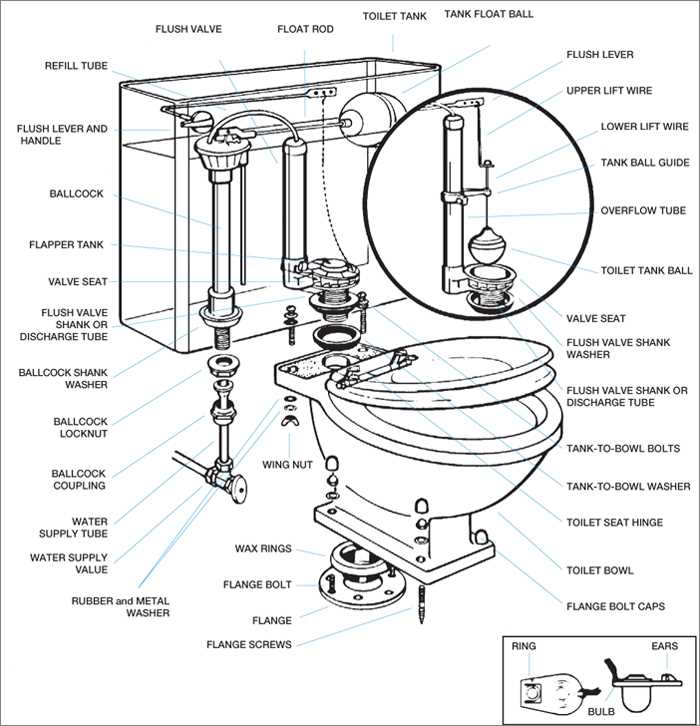
To replace the fill valve, start by shutting off the water supply and flushing to drain the reservoir. Disconnect the water supply line and remove the old valve by loosening the nut securing it to the bottom. Install the new valve, making sure it’s tightly sealed before reconnecting the water line.
If the float is damaged, first remove the arm connected to the valve. Adjust the height of the new float to match the desired water level, and then reattach it securely to the valve mechanism. Make sure the float moves freely without obstruction.
To replace the flush valve, disconnect the water line and drain the tank completely. Unscrew the old valve and remove it carefully. Install the new flush valve, ensuring it fits correctly into the drain hole, and seal it with new washers to prevent leaks.
If the chain is broken or too loose, remove it from the flush lever and valve. Adjust the length of the replacement chain so that it allows for smooth movement of the flush valve. Attach the new chain securely to both ends, ensuring it has the right amount of slack for proper flushing.
To replace the gasket or seals, first, remove the flush valve. Clean the sealing surface thoroughly, and then place the new gasket around the valve or flange. Reassemble the parts, tightening everything securely to avoid any leaks. Inspect for leaks after reassembling the system.