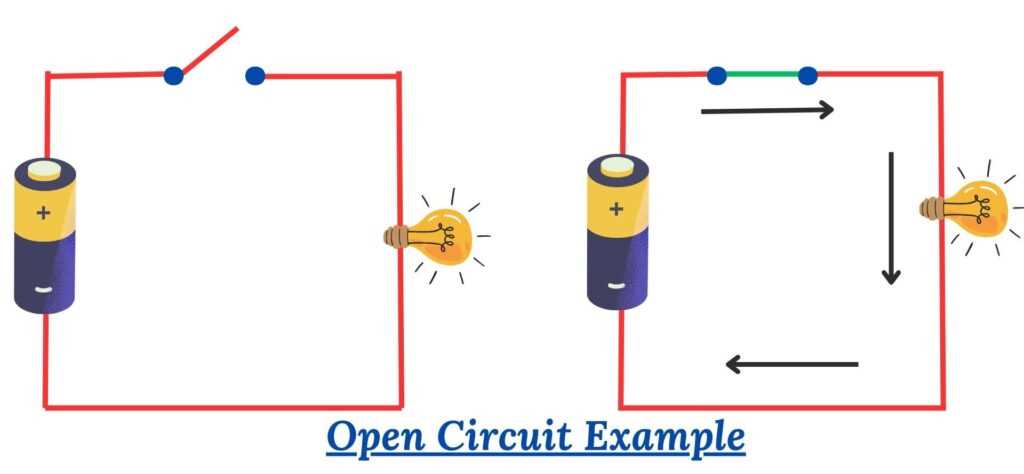
Verify all supply lines before connecting load devices by checking each terminal for voltage presence. Use a multimeter to ensure the source is live and stable.
Trace the flow of current from input to output points using continuity testing. Confirm that each post energizes the intended component without leakage or shorts.
Mark all connection points with clear labels or color codes to prevent reverse connections. Proper identification reduces troubleshooting time and minimizes the risk of accidental faults.
Apply controlled load tests at low levels to observe response. Ensure each contact responds correctly to switching actions without creating voltage drops or overheating.
Maintain terminal cleanliness by removing dust and oxidation. Use protective covers to shield exposed conductors and preserve safe operation in the surrounding environment.
Connection Flow and Testing Guide
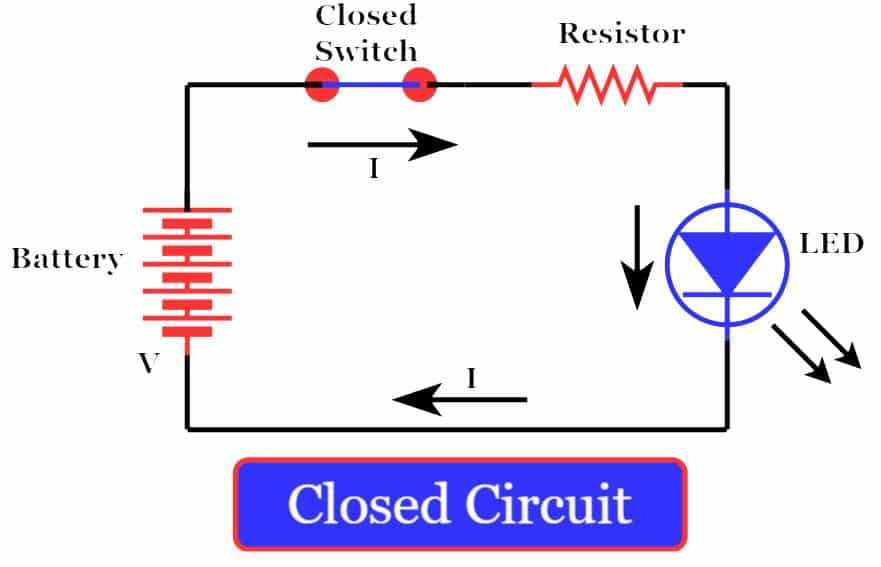
Check all input terminals for proper voltage using a multimeter before linking any downstream devices. Confirm each post delivers consistent power without fluctuations that could affect performance.
Trace the load path by following each conductor from supply to endpoint. Verify that switches and relays activate correctly and that each line completes the intended loop without interruptions.
Use color-coded tags or markers on all contact points to prevent misconnection. Apply small test currents to validate the system response, ensuring that each segment conducts properly and deactivates safely when interrupted.
Identifying Active and Interrupted Connection Points
Use a multimeter to test voltage at each junction before adding any load. Active points will show continuous readings, while interrupted points remain at zero or fluctuate unexpectedly.
Label all terminals to differentiate input and output posts. Apply temporary probes to trace energy flow through each branch and ensure no segment is unintentionally isolated.
Inspect connectors for visible gaps, corrosion, or loose screws that may prevent proper engagement. Even small inconsistencies can break continuity and compromise system operation.
Employ a low-current tester to sequentially energize each path. Note which points transmit power consistently versus those that fail under minimal load conditions.
Document each observation in a table or schematic with color-coded annotations. This helps quickly identify patterns of interruptions and validates the integrity of all loops.
Repeat tests after tightening or replacing suspect contacts. Confirm that all segments now show uninterrupted flow where intended and that safety measures respond correctly to any intentional breaks.