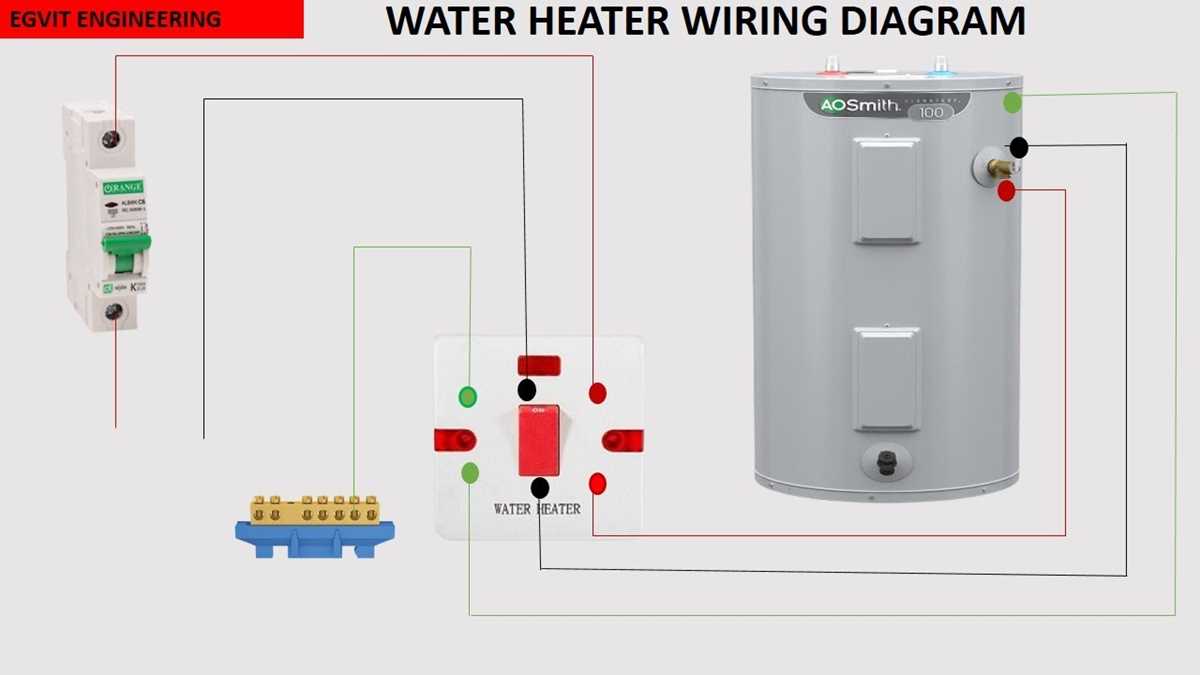
Verify power is completely turned off at the circuit breaker before touching any terminals or conductors. Use a voltage tester to confirm no current is present and mark wires clearly to avoid cross connections.
Identify each cable and terminal by color coding. Typically, red and black indicate live lines, white represents neutral, and green or bare copper serves as the grounding conductor. Labeling each point prevents accidental shorts or improper connections.
Follow manufacturer specifications for element placement and control units. Check amperage ratings, wire gauge, and breaker limits. Installing mismatched components can lead to overheating or tripped circuits, reducing lifespan of the storage unit.
Secure all connections with proper fasteners and ensure tight, corrosion-free contact. Use wire nuts or terminal screws rated for the circuit load, and inspect periodically for signs of wear or discoloration. This ensures reliable performance and minimizes fire risk.
Connection Guide and Safety Tips for Residential Heating Units
Turn off the main supply before starting any connections. Use a non-contact voltage tester to ensure there is no current on the incoming lines. Mark each lead with tape to identify its function and prevent cross-connection mistakes.
Follow these steps for secure attachment of the thermal storage elements:
- Connect live conductors to the appropriate terminals according to the unit’s label.
- Attach the neutral wire firmly to the designated neutral point.
- Secure the ground wire to the chassis or grounding screw to prevent electrical faults.
- Double-check that screws and clamps are tight and corrosion-free.
Test each circuit individually before full operation. After completing connections, restore power briefly to measure voltage at each terminal. Inspect for sparks, unusual sounds, or excessive heat at contacts, and correct issues immediately.
Maintain long-term reliability by scheduling periodic inspections of all electrical connections. Look for discoloration, loosened screws, or frayed insulation. Re-tighten fasteners and replace damaged wires promptly to reduce fire risk and ensure steady performance.
Identifying Leads and Terminals for Common Residential Heating Units
Confirm the power supply is switched off before touching any connectors. Use a voltage tester to verify the absence of current on all lines and mark each conductor for easy identification.
Recognize the standard color codes: Red or black typically represent live feeds, white is neutral, and green or bare copper serves as the grounding conductor. Proper identification prevents accidental shorts and ensures safe attachment of elements.
Terminal Types and Their Functions
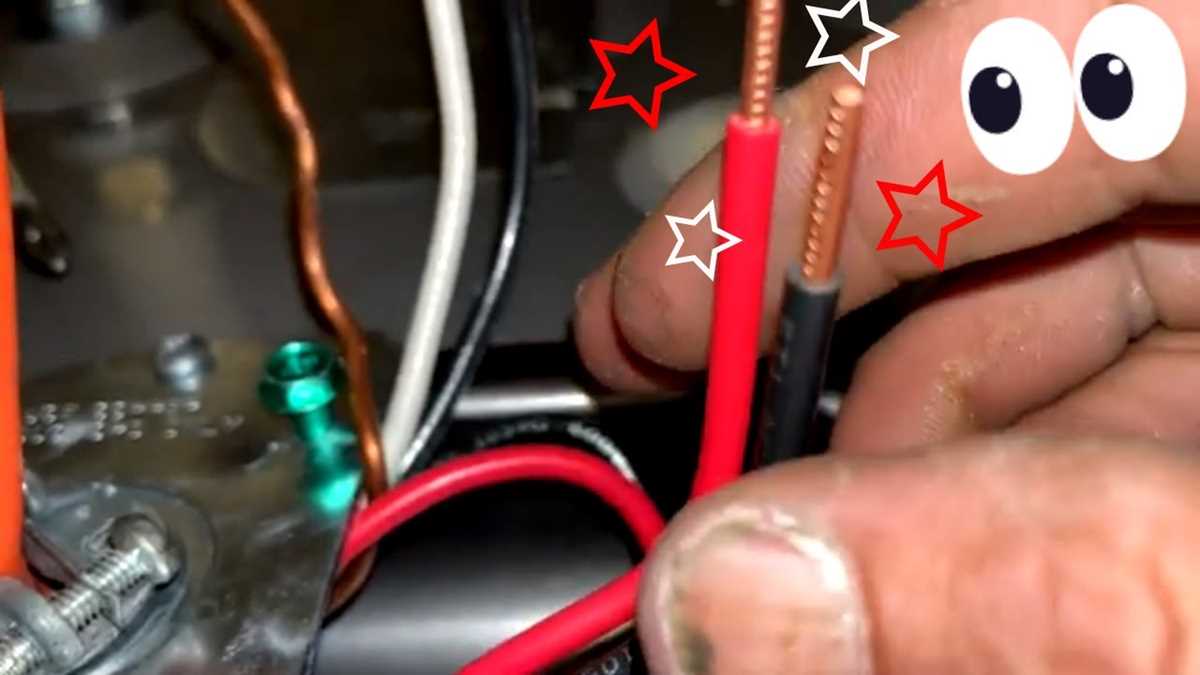
Most storage units have screw-type terminals or push-in connectors. Screw terminals allow secure clamping of each conductor, while push-in types rely on spring tension. Check the unit label for correct positioning to avoid reversed polarity.
Label each terminal clearly and cross-check with the unit’s instruction plate. Live wires should attach to terminals marked L1 or L2, neutral to N, and the grounding conductor to the green screw. This prevents misconnection that can lead to tripping or overheating.
Handling Multiple Element Units
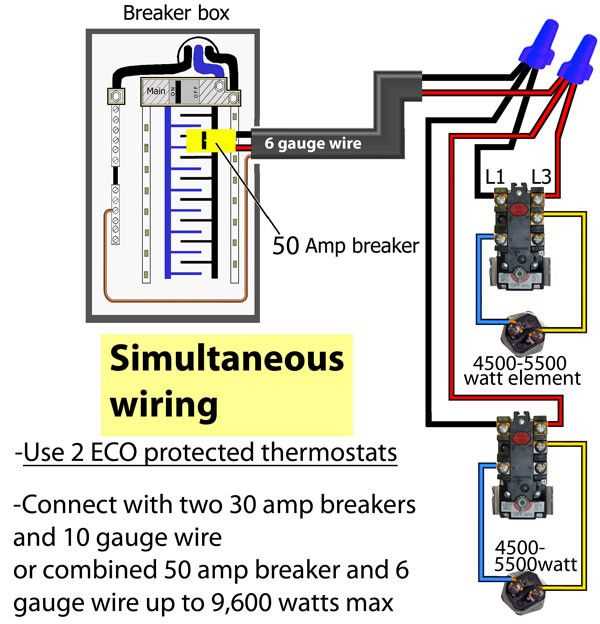
Units with dual elements often have separate circuits controlled by thermostats. Identify which terminals correspond to the upper and lower elements and match them with the correct thermostat output. Incorrect connections may cause uneven heating or premature component failure.
Inspect for corrosion and damage before making connections. Clean rusted terminals with a wire brush and replace frayed leads. Ensure all connections are tight and stable to maintain consistent performance and reduce fire hazards.