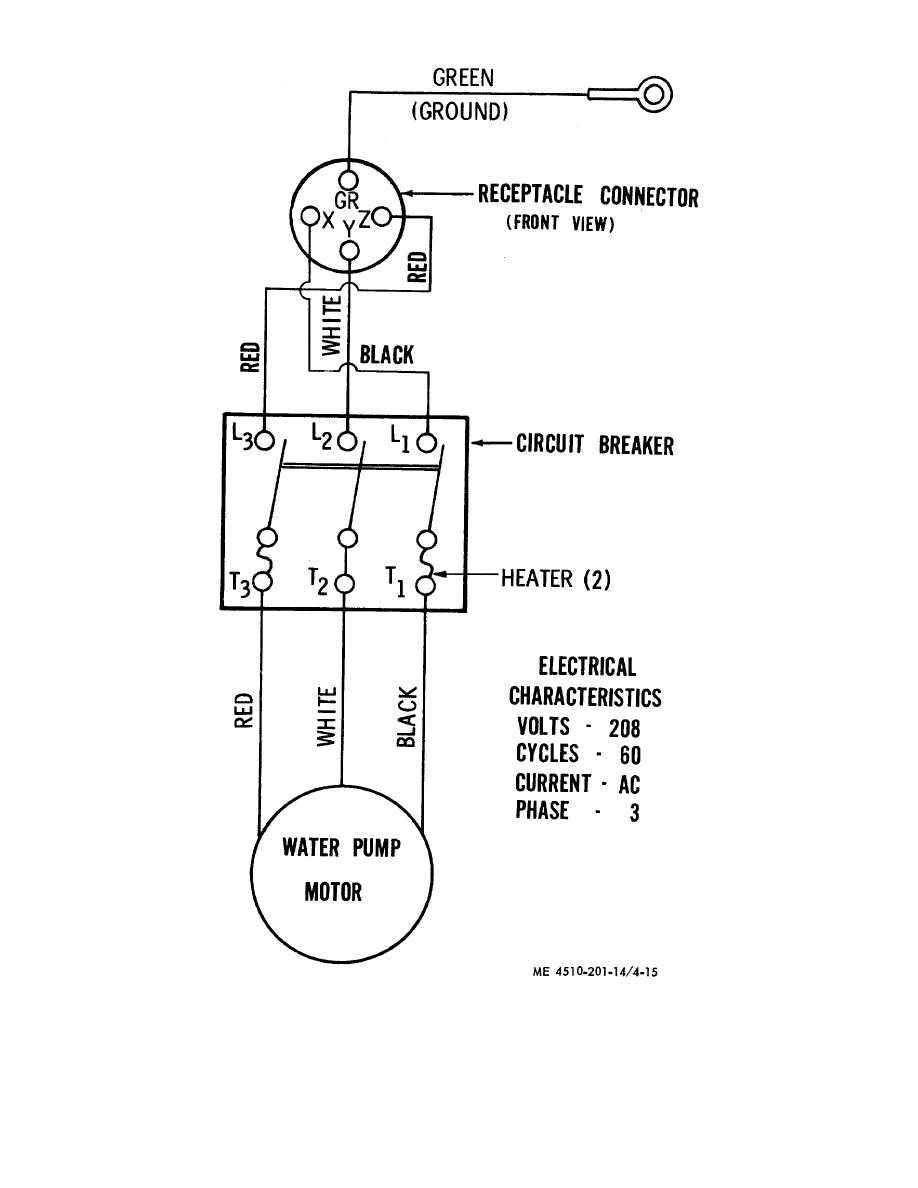
To properly set up the electrical connections for a pump, start by ensuring the power supply meets the required voltage and amperage. A stable and safe power source is key to preventing damage or operational failures. Make sure the connections are secure and insulated, especially in wet environments.
Next, identify the terminals on the pump’s motor. These terminals typically include a common terminal, a normally open terminal, and a ground. The motor will only function when the correct wiring is applied to these points. Double-check each terminal to ensure proper connection to avoid short circuits or malfunction.
For control, a reliable switch or relay system will need to be installed. This system should allow for easy activation and deactivation of the motor. Check the relay for compatibility with your pump’s voltage and amperage specifications. Proper wiring from the relay to the motor ensures smooth operation and safety during use.
Once all connections are made, test the system by activating the switch. Ensure that the pump starts and stops as expected. If there is any hesitation or malfunction, recheck all wiring, especially the connections to the terminals. A faulty connection is often the root cause of operational issues.
Finally, keep an eye on the system’s performance over time. Look out for signs of wear on wires or connections, especially if the pump is used frequently. Regular maintenance and checks will help prolong the lifespan of the pump and ensure efficient operation.
Wiring Setup for Water Pump
To set up the electrical system for your pump, first identify the voltage requirements and ensure that the power source is adequate for the motor. Incorrect voltage can cause operational issues or damage to the system. Use a multimeter to verify the input voltage before making connections.
Ensure the motor is grounded properly to avoid potential electrical hazards. Grounding is vital to protect the pump from electrical surges or faults. Use a heavy-duty ground wire and ensure a secure connection to a metal part of the pump or its housing.
Next, connect the motor’s input terminals to the appropriate power source. The terminal setup typically consists of a common terminal and a switch terminal. Make sure that each wire is securely attached to its corresponding terminal, and that the connections are insulated to prevent shorts.
If your setup includes a relay or control switch, wire these components according to the manufacturer’s instructions. The relay should handle the switching of power to the motor, and the control switch allows you to activate or deactivate the motor. Ensure the relay matches the power ratings required for the pump.
After all connections are made, perform a test by switching the system on and monitoring the pump’s operation. If the motor fails to start, recheck the connections for any loose or improperly connected wires. Proper testing ensures the system is correctly configured and will function without issues in the long term.
How to Connect the Power Supply to the Water Pump
Before starting the installation, make sure to check the voltage requirements of the motor and ensure that your power source matches those specifications. The motor will typically operate on either 110V or 220V depending on the model. Using an incorrect voltage can cause the motor to malfunction or overheat.
Turn off the power supply at the main breaker before making any connections. This is a necessary safety step to avoid the risk of electric shock while handling the wiring. Always double-check the power source to ensure that it is completely disconnected from the electrical system.
Start by connecting the live wire (usually marked in red or black) from the power source to the input terminal of the motor. Secure the connection by tightening the terminal screw to ensure that the wire stays in place. If using a plug, ensure it is rated for the voltage and amperage required by the motor.
Next, connect the neutral wire from the power source to the corresponding neutral terminal on the motor. This step ensures the proper flow of current and the completion of the electrical circuit. Make sure that the neutral wire is securely attached to prevent any loose connections that could lead to malfunction.
If the motor is equipped with a ground terminal, connect the ground wire (usually green or bare) from the power source to this terminal. Grounding is critical for safety and helps protect the system from electrical faults. Always use an appropriately sized ground wire to prevent potential hazards.
For systems with an external control switch or relay, connect the output terminals of the switch to the motor’s input terminals. This will allow you to control the operation of the motor remotely. Ensure that the switch is rated for the load your system requires to avoid damaging the components.
After all connections have been made, check the integrity of the wiring. Look for any loose or exposed wires that could cause shorts or fires. Use electrical tape or wire nuts to insulate any exposed connections and prevent accidental contact with other parts of the system.
Finally, turn the power back on and test the motor. Check that the motor starts and operates as expected. If the motor does not run, double-check all connections, ensuring the live, neutral, and ground wires are properly attached to their respective terminals. If everything is correct, the system should function smoothly and efficiently.