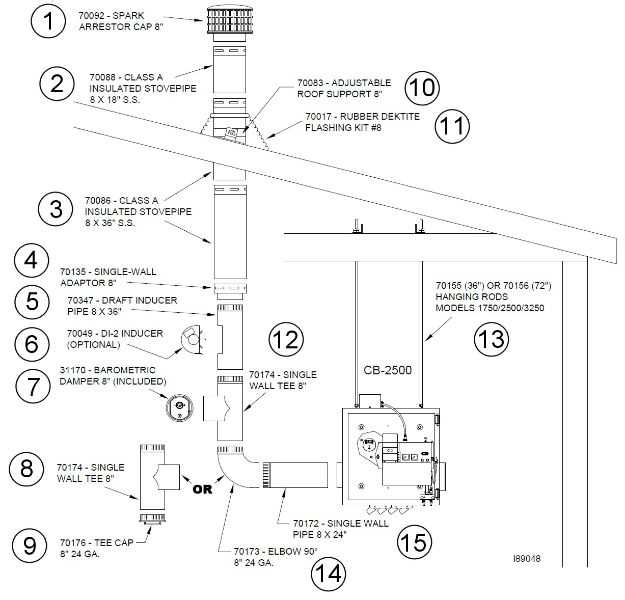
If you’re facing issues with your heating system, identifying and replacing malfunctioning components can save time and prevent costly repairs. The key to maintaining optimal function lies in understanding the layout and role of each element within the system. Regular maintenance is vital to ensuring longevity and preventing breakdowns.
First, focus on recognizing the most commonly affected components such as the fuel delivery system, ignition unit, and the control module. These elements often show signs of wear or malfunction that can disrupt the entire system’s operation. Knowing where they are located and how to test their functionality can prevent further damage and keep your system running smoothly.
Next, familiarize yourself with troubleshooting steps. Identifying issues early, such as inconsistent heating or strange noises, often points to problems within specific components. Regular inspection, along with a clear understanding of the assembly, helps you address these problems before they worsen. This not only extends the system’s lifespan but also enhances its energy efficiency.
Heating System Components Breakdown and Troubleshooting
Begin by examining the fuel pump. If the system isn’t igniting, this is often the culprit. The fuel pump should be clean and free of obstructions. Check the fuel filter regularly to ensure it isn’t clogged, as this can prevent proper fuel flow.
Next, inspect the ignition assembly. If there’s no spark, the problem might be with the electrode or the transformer. Make sure the electrode gap is correctly set and that there are no cracks or wear on the electrode. A faulty transformer should be replaced immediately to avoid further damage.
If the system is producing irregular or weak flames, check the air intake. A blocked air intake or damaged fan can reduce airflow, impacting combustion efficiency. Clean the intake and check the fan for any signs of wear or malfunction.
Finally, examine the control module. If the system is cycling incorrectly, or not at all, the control module may have failed. Testing the control board for continuity and replacing it if needed will restore normal operation.
Identifying and Replacing Common Faulty Components in Heating Systems
Start by inspecting the fuel nozzle. If the system isn’t igniting or burning inefficiently, the nozzle may be clogged or damaged. Clean or replace it if the spray pattern is irregular or the nozzle appears worn.
Next, check the ignition transformer. A faulty transformer can cause the system to fail to start. Test the transformer with a multimeter for continuity. Replace it if there is no reading or if the ignition electrode is not sparking properly.
If the system fails to maintain a steady flame, the electrode may be damaged or improperly spaced. Adjust the electrode gap to the manufacturer’s specifications, and replace it if any cracks or corrosion are visible.
Inspect the fan and air intake for blockages or damage. A lack of proper airflow can result in inefficient combustion. Clean the fan blades and intake area, and replace the fan if it shows signs of wear or imbalance.
Lastly, if the system is not responding to control commands, check the control board. Test it for any faults, such as broken connections or burned-out components. If the board is malfunctioning, replace it to restore proper system operation.
Step-by-Step Guide to Understanding Heating System Components and Repair
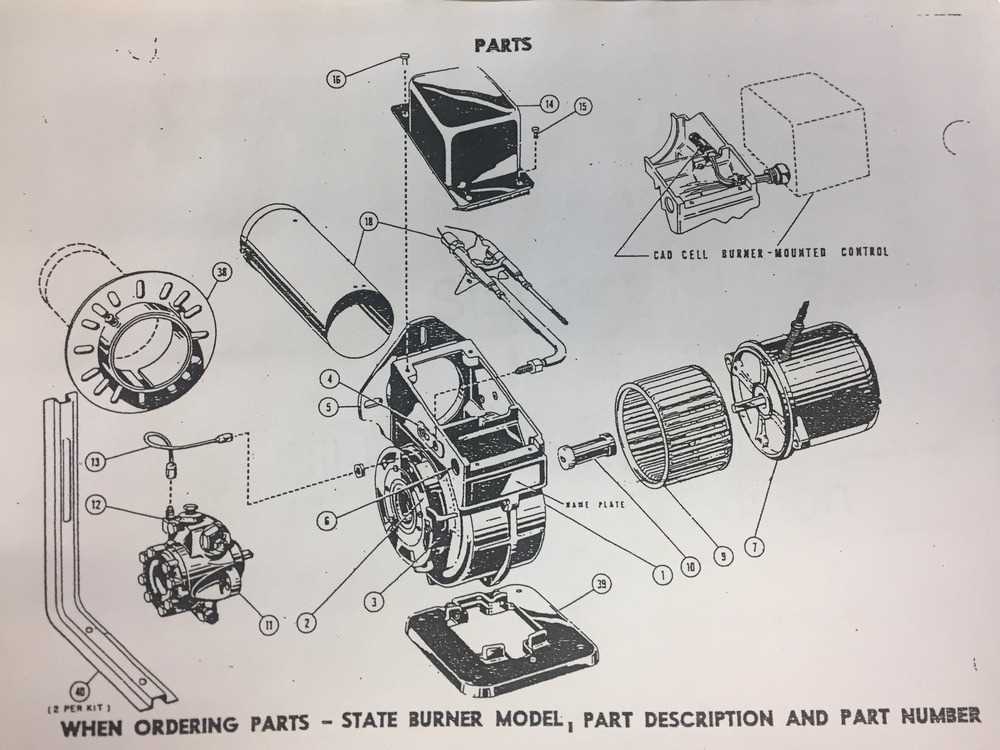
Begin by locating the fuel supply line and ensuring it is properly connected. Any cracks or leaks in the fuel line can disrupt the fuel flow, causing malfunction. Inspect the entire length and replace any damaged sections.
Next, inspect the combustion chamber. If you notice soot buildup or discoloration, it could be a sign of improper combustion. Clean the chamber and check for any signs of corrosion or wear on the walls. If necessary, replace the chamber to ensure safe operation.
Examine the air intake and exhaust system. Blockages here can cause inefficient operation. Check the air filter and clean or replace it as needed. Make sure the exhaust pipe is free from debris, allowing for proper venting of gases.
The ignition system is another critical component. Check the ignition electrode and transformer. If the spark is weak or inconsistent, it could indicate a faulty ignition electrode. Adjust or replace it if required to ensure a reliable start-up.
Finally, test the control valve and thermostat settings. Miscalibrations can lead to incorrect temperature regulation. Adjust the thermostat to the desired settings, and if the valve is not responding, replace it to restore proper system functionality.