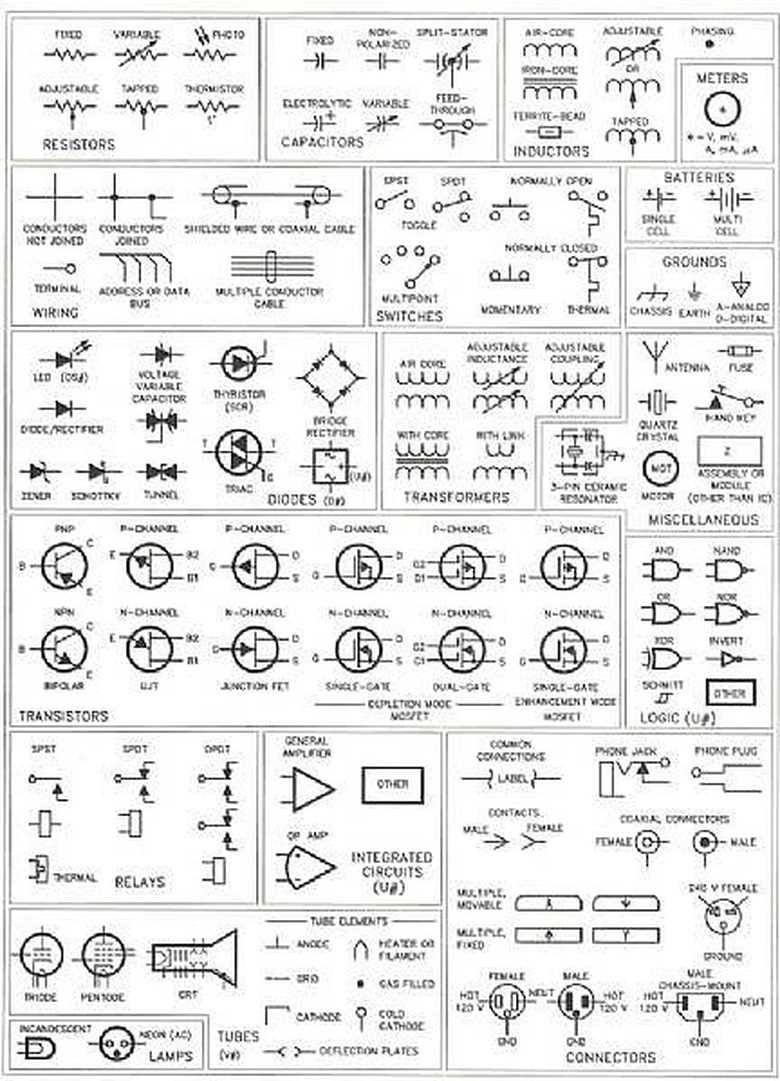
Identify all symbols and line connections first to determine which components handle power, signal, and control. Circles typically mark connectors, squares indicate modules, and triangles represent diodes or flow direction. Use color-coding or notes to mark paths for easier tracing.
Follow each path from the source to the load to locate potential faults. Measure voltage and continuity at key junctions and record deviations from expected values. This approach highlights shorts, open circuits, or incorrect connections without disassembling the entire system.
Organize components based on layout positions in fuse boxes, junction blocks, and panels. Mapping their physical placement alongside schematic notation reduces time spent searching and ensures each test aligns with actual system connections.
Document wire functions and terminal numbers while working through paths. Annotated diagrams prevent confusion when multiple lines overlap and provide a reference for testing relays, sensors, and actuators systematically.
Recognizing Symbols and Line Styles in Schematics
Identify all symbols at the beginning to distinguish modules, relays, switches, and connectors. Circles generally mark junction points, triangles indicate directional flow or diodes, and rectangles represent control or monitoring units. Highlight each symbol on a copy to simplify tracing paths later.
Analyze line patterns carefully because they indicate signal type and current capacity. Solid lines usually carry power or ground, dashed lines track control or low-current signals, and thick lines highlight high-current feeds. Noting these distinctions prevents misinterpretation when multiple paths intersect.
Standard Symbol Variations
Check for common alternative symbols that may differ by manufacturer. A switch may appear as a break in a line or as a pivoted lever symbol, while relays can be drawn as coils with contacts or simplified boxes. Cross-referencing with a legend ensures each component’s function is correctly understood.
Combining Symbols with Line Styles
Use both symbols and line types together to map each path accurately. For example, a triangle connected by a thin dashed line to a rectangle indicates a low-current control signal to a module. Annotating these combinations reduces errors during troubleshooting or testing.
Verify understanding with sample measurements by checking voltage or continuity at key points indicated by symbols. Matching observed readings with expected function confirms that each path, connector, and component is properly interpreted before further analysis or repair.
Tracing Current Paths to Identify Faults
Begin tracing from the power source to determine the sequence of current flow. Verify voltage at the source and record deviations immediately, as a drop here can indicate a fuse issue or loose connection.
Follow each branch individually rather than testing multiple paths at once. Use a multimeter to measure continuity and resistance at key junctions to locate interruptions in the flow.
Check all connectors for corrosion or looseness. Even a single oxidized pin can prevent current from reaching downstream components. Clean and reseat terminals to confirm proper contact before replacing any parts.
Inspect switches and relays sequentially along the path. Open contacts in a relay or faulty switch will interrupt the intended flow and can mimic more complex faults in modules or sensors.
Measure voltage drops along wires to detect high-resistance points. A difference of more than 0.2 volts across a connection under load can indicate damaged insulation or frayed conductors.
Document each test point and result on a schematic copy. Marking functional and faulty points provides a visual map of the problem area, which speeds up troubleshooting and ensures no path is overlooked.
Test components individually when necessary. Disconnect modules, sensors, or actuators and verify their operation outside the main path. Comparing actual performance to expected specifications identifies the failing element accurately.
Verify restored flow after each correction by remeasuring voltage and continuity. Confirming current reaches the load prevents repeated disassembly and ensures that each step resolves the issue before proceeding to the next section of the system.
Analyzing Connectors and Component Arrangements
Identify connector pin numbers and functions before performing any measurements. Each pin corresponds to a specific signal or power feed, and mismatching pins can produce false readings or damage components.
Mapping Component Positions
Document physical placement of modules, relays, and sensors within fuse boxes, junction blocks, and panels. A clear map reduces search time and ensures tests align with actual locations rather than schematic abstractions.
Use tables to organize connector information for clarity:
- Connector: ECM1, Fusebox A, Relay B
- Pin: Numbered according to function
- Signal: Power, control, or sensor input
- Status: Active, inactive, or verified
Testing Procedures for Connectors
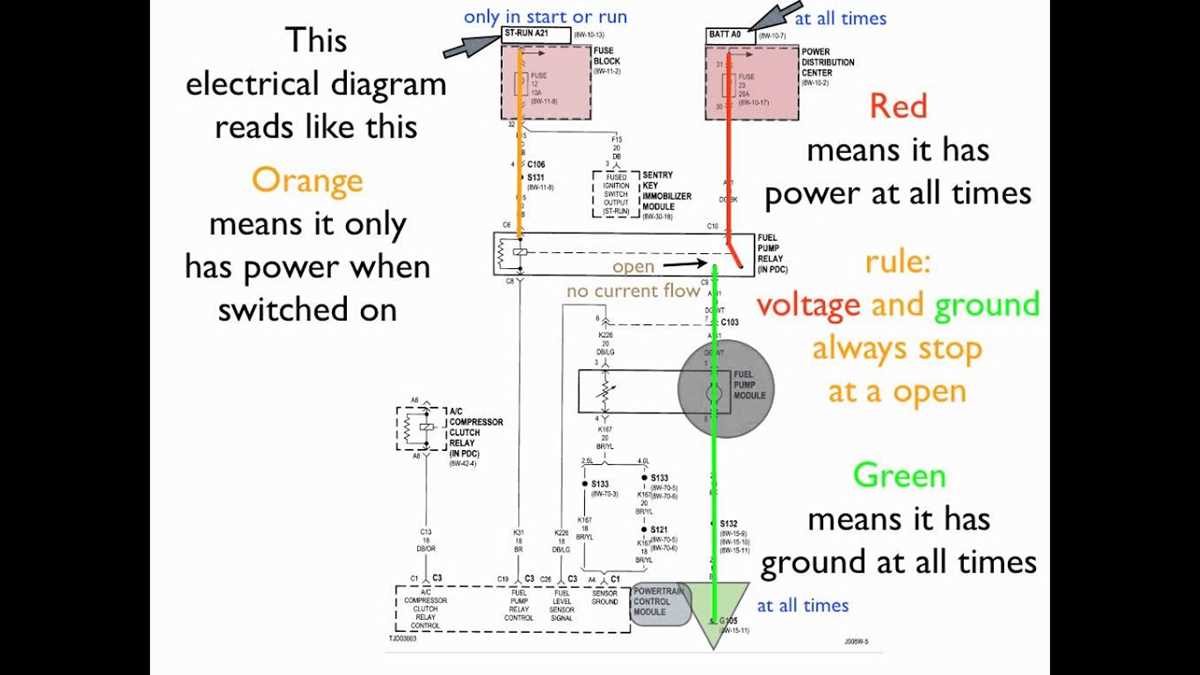
Inspect terminals visually and electrically. Check for corrosion, bent pins, or loose connections. Measure voltage and continuity individually for each pin to identify faults precisely without guessing.
Trace wires between components systematically. Follow each harness path, verifying that current reaches every module, sensor, or actuator. Annotate confirmed and faulty paths to maintain a clear workflow during troubleshooting.