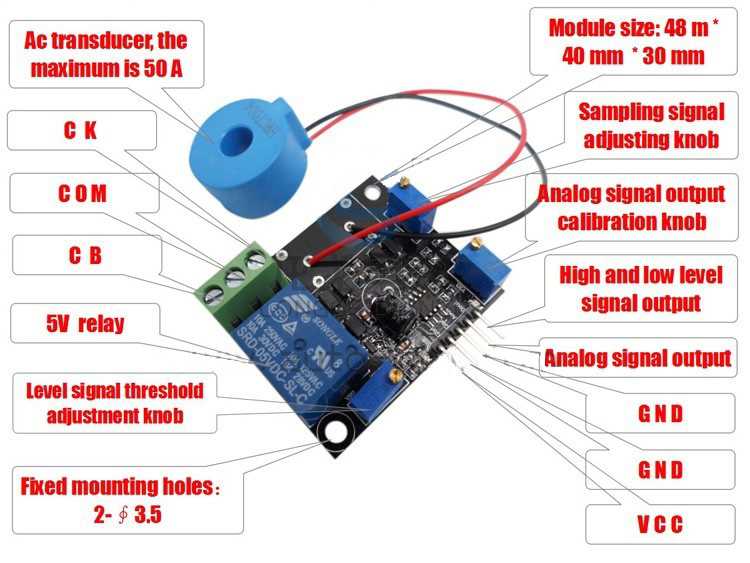
To design a reliable and accurate measurement system for alternating voltage, it is important to first understand the basic components and how they interact within the setup. Choosing the right transformer or hall effect element to measure the flow of electricity is the starting point. When selecting the components, focus on their ratings and compatibility with the voltage you plan to monitor. Ensure that the transformer or sensing device can handle the peak voltages without introducing too much signal noise or distortion.
Next, establish the connection scheme for converting the physical measurements into readable data. Depending on the accuracy required, consider adding signal conditioning equipment such as amplifiers, filters, or analog-to-digital converters (ADC). The quality of the signal will be crucial for obtaining reliable readings, especially when working with low-current values where precision is key. Take care to match the load and sensor capabilities for optimal results, and verify that the output range aligns with your monitoring equipment.
Finally, ensure that safety measures are in place to prevent damage to the components, especially when dealing with high-voltage systems. Isolate the power source properly, and use protective elements like resistors, fuses, or circuit breakers to safeguard the rest of the setup. Understanding these practical aspects will help you build a stable and functional monitoring tool capable of precise measurements under real-world conditions.
AC Current Sensor Circuit Design
For accurate detection of power flow in an alternating system, start by selecting a suitable measurement component, such as a current transformer (CT) or a hall effect device. These elements need to be rated to handle the expected voltage without distortion. When setting up the connections, ensure that the sensor’s output is properly isolated from the high-voltage source to prevent damage. The output of the measurement unit should then be conditioned using filters or amplifiers if necessary to reduce noise and provide a clean signal for analysis.
Next, incorporate necessary safety features to protect both the measurement system and the user. Use fuses, resistors, or breakers to safeguard against overloads or short circuits. Pay close attention to the power ratings of the devices to avoid overloading the system. Ensure that the output from the sensing device matches the voltage requirements of the monitoring equipment, whether it’s an analog meter or a digital data logger, and that the signal is within an acceptable range for accurate readings.
Choosing the Right Components for AC Current Sensing
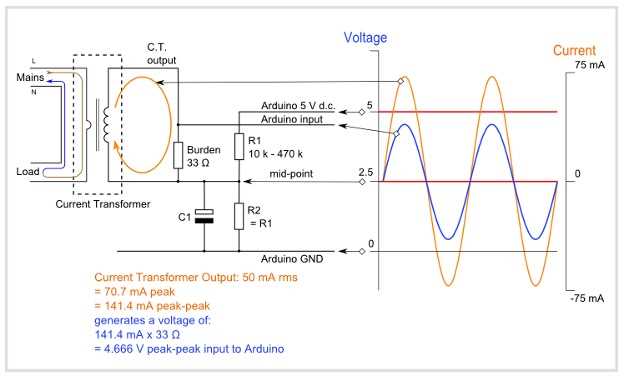
To accurately measure power flow in an alternating system, it’s crucial to select the right components. Begin by choosing a measurement device such as a current transformer (CT) or a hall effect device, as these components convert high voltage to a lower, safer level. Ensure that the device is rated for the expected load to avoid overloading and measurement errors. A proper rating ensures that the transformer or device can handle peak values without distortion.
Next, consider the type of output required. Analog components typically provide continuous feedback, whereas digital sensors give discrete data. For continuous monitoring, an analog sensor might be preferable as it offers real-time data. If your application demands higher precision or integration with a microcontroller, a digital sensor might be the better choice. Ensure that the output signal range aligns with the input voltage level of your measurement or control system.
Finally, ensure that the sensing equipment includes appropriate insulation and protection features. Overvoltage protection devices such as resistors or fuses can prevent short circuits or device damage. Additionally, isolation between high-voltage and low-voltage components is critical for user safety. Double-check the installation of ground connections and confirm that the setup is in compliance with electrical standards for safety and reliability.