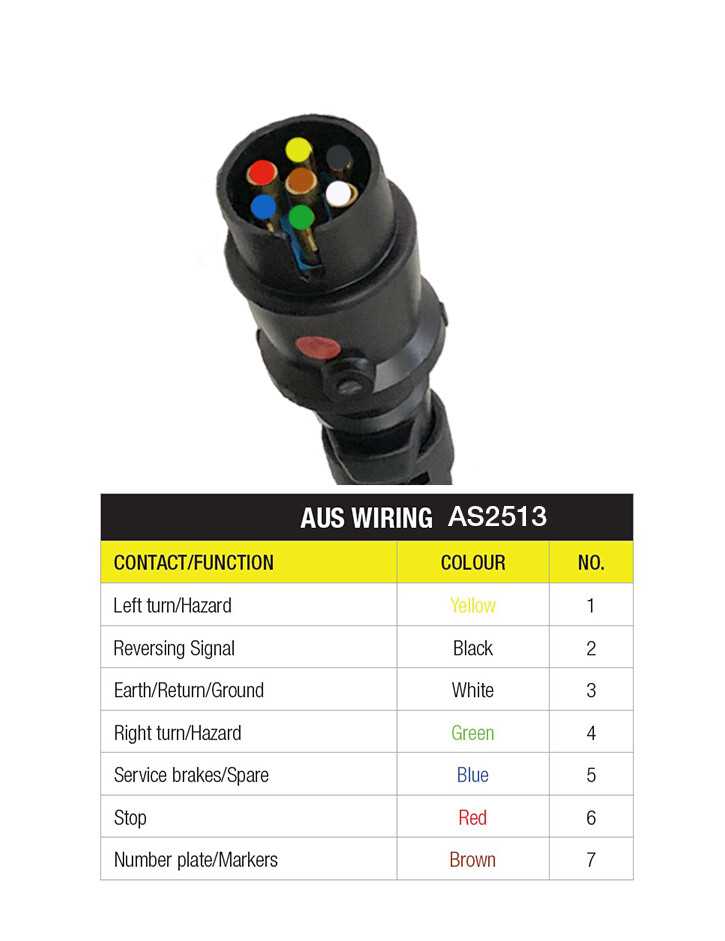
Ensure correct alignment of each conductor before attempting any attachment. Misalignment can result in nonfunctional lights or electrical shorts that may damage the towing system.
Label each cable according to its role in the circuit, such as tail lights, brake lights, auxiliary power, or reverse signals. Clear identification simplifies troubleshooting and future maintenance.
Use proper connectors designed for a 7-conductor setup. Inferior or mismatched components can cause corrosion, loose contacts, or intermittent operation under vibration.
Inspect continuity with a multimeter before securing the interface. Testing each line individually ensures that signals transmit correctly and avoids failures on the road.
Secure all connections with protective boots or heat-shrink tubing to prevent exposure to moisture and debris. Long-term reliability depends on maintaining clean, insulated contacts.
Comprehensive Guide to 7 Pin Trailer Wiring Plug Diagram
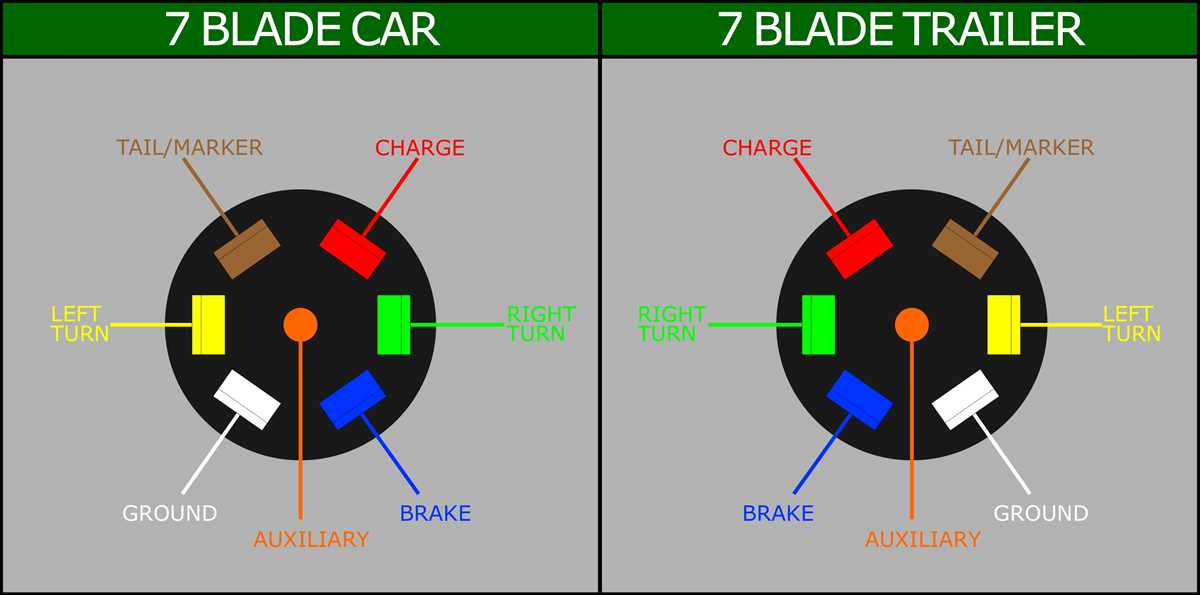
For safe connection of your towing setup, ensure each conductor aligns with its designated circuit. Assign the lighting circuit to the first contact, brake control to the second, and auxiliary functions to the remaining positions. Consistent color coding reduces mistakes and simplifies troubleshooting.
Identify the layout by labeling each terminal before inserting the wires. Use a multimeter to verify continuity and voltage on each line. Follow this sequence:
- White: chassis ground
- Brown: tail and running lights
- Green: right-hand signal and brake lights
- Yellow: left-hand signal and brake lights
- Blue: electric brakes activation
- Red: auxiliary 12V supply
- Purple: reverse illumination or additional accessory
When connecting, avoid stripping too much insulation–2-3 millimeters is sufficient. Crimp terminals securely and apply dielectric grease to prevent corrosion. Check that each contact fits snugly without excessive force, which can damage both the socket and connector.
After assembly, conduct a full functional test. Activate all lights, brakes, and auxiliary circuits individually, noting any flickering or failure. Correct misalignments immediately and ensure that the harness remains tension-free, preventing wear from vibration or bending during travel.
Identifying Each Slot and Its Role in a 7-Connector Setup
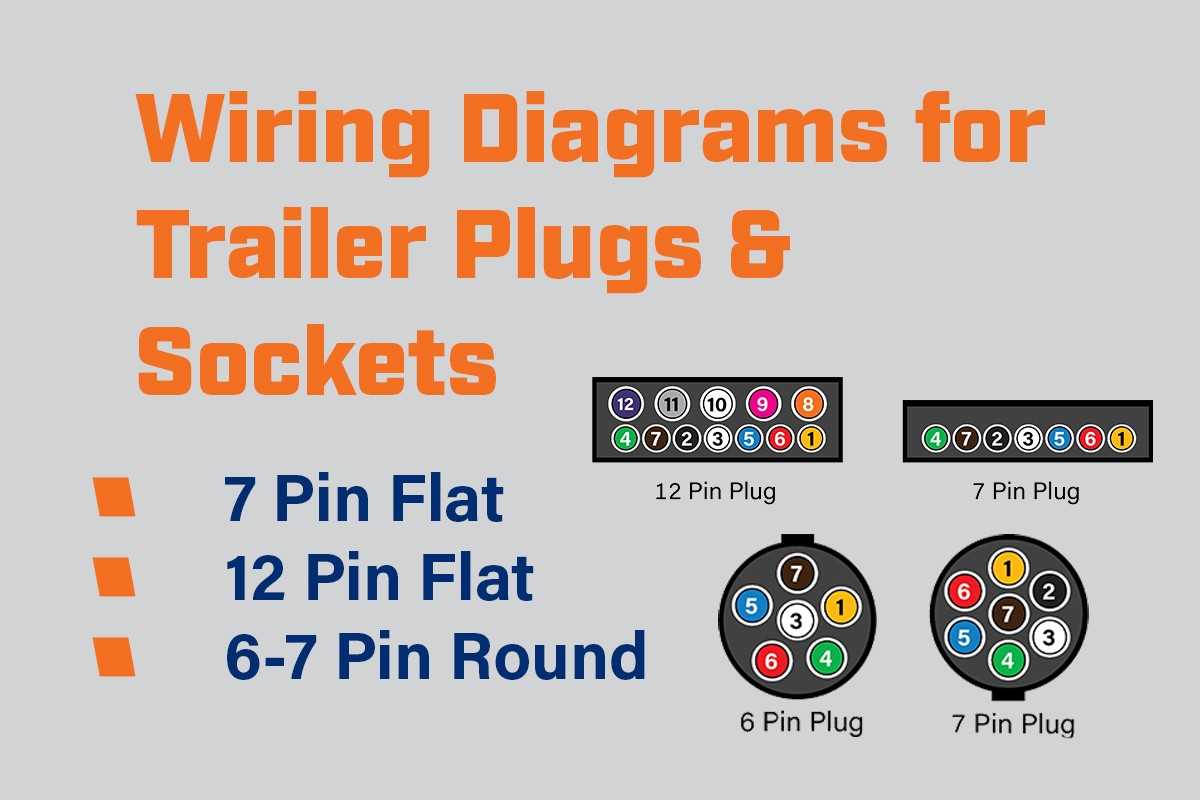
Begin with recognizing the common arrangement: the central terminal usually serves as the continuous power supply, feeding auxiliary functions such as interior lighting or battery charging circuits. Adjacent positions typically manage left and right indicator signals, ensuring directional cues activate precisely with vehicle signals. Confirming each connection with a multimeter before final attachment prevents cross-circuit faults.
The two side contacts often handle braking and tail illumination. One controls electric brake actuators, while the other manages standard running lights, maintaining visibility during night operation. These contacts must match the corresponding receptacles on the towing unit for reliable performance.
The remaining two sockets usually correspond to ground and reverse illumination. The grounding point ensures the entire harness operates with a stable reference, reducing the risk of short circuits or flickering lamps. The reverse light feed activates when the towing vehicle shifts into reverse, signaling both the vehicle and surrounding traffic. Accurate mapping of these positions streamlines installation and minimizes troubleshooting later.