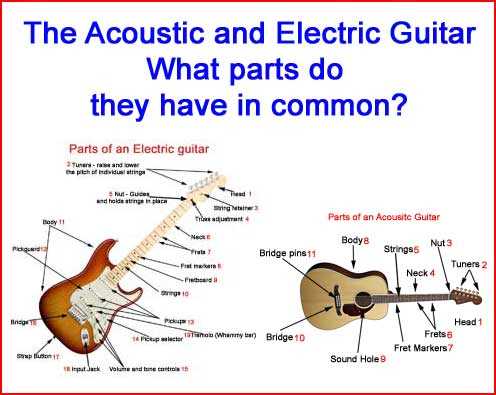
To fully understand the construction and function of a string instrument, it is crucial to recognize each component that contributes to its overall sound and playability. The body, neck, and various hardware are not merely decorative; each element plays a specific role in the instrument’s acoustics and mechanics. Knowing these elements helps with maintenance, repair, and enhances the overall playing experience.
For example, the soundboard, often referred to as the top, is key to producing resonance. The bridge ensures that vibrations from the strings are effectively transferred to the soundboard. The neck holds the fingerboard, allowing for pitch control and the ease of playing. Understanding how these parts work together is critical, especially when faced with a need for repairs or upgrades.
By breaking down the construction of the instrument and focusing on each part’s role, it becomes easier to diagnose issues, make informed decisions about adjustments, or replace specific components to enhance sound quality or comfort. Identifying the right tools and methods for these tasks is crucial for keeping the instrument in top condition.
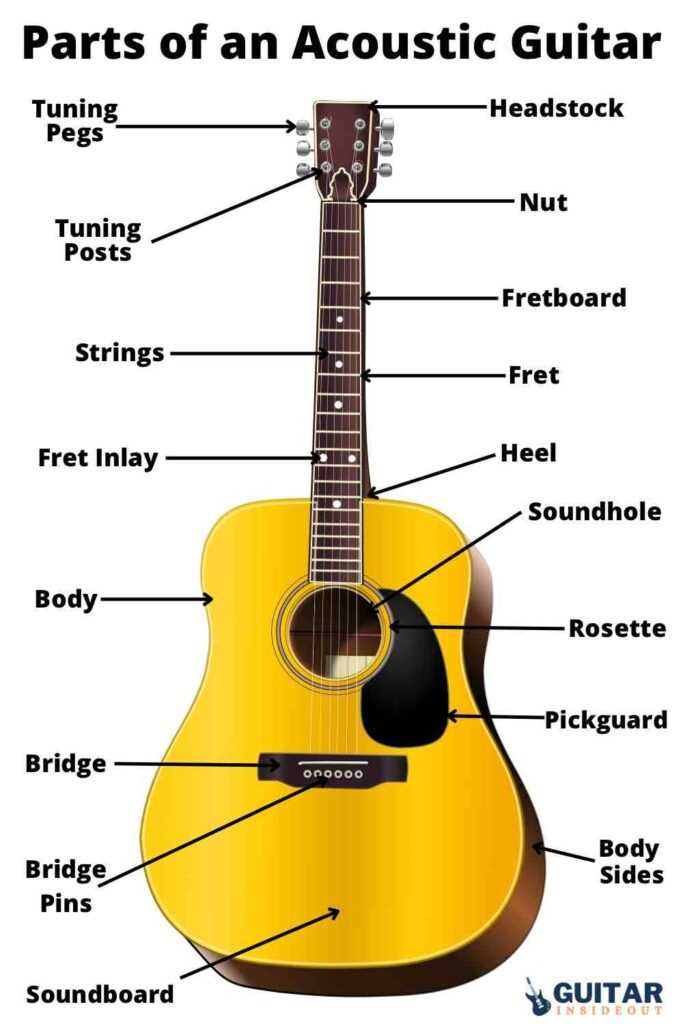
Parts of an Acoustic Guitar
The body of the instrument is the primary resonator. It amplifies the sound created by the vibrating strings. The top, or soundboard, is made of wood that allows vibrations to travel efficiently, contributing to the quality of sound produced. It’s important to ensure the top is free from cracks, as they can negatively impact tone.
The bridge connects the strings to the body. It transfers the vibrations from the strings to the soundboard, which is crucial for sound production. The saddle sits on top of the bridge and plays a key role in the string height, helping to maintain proper string tension and pitch. If these components are worn or damaged, it can affect the instrument’s tone and playability.
The neck houses the fretboard, where the player presses down the strings to change the pitch. The frets are positioned along the neck and define the notes. Proper alignment of the frets ensures that the notes sound clean when played. The headstock holds the tuners, which adjust the string tension to achieve the correct pitch. Regular maintenance of these elements ensures optimal performance.
The sound hole is located in the center of the body and is responsible for projecting the sound. Its placement and size are vital in shaping the tonal quality. The strings, often made of steel or nylon, vibrate across the bridge and saddle, producing sound. They should be regularly replaced to maintain sound quality and ease of play.
How to Identify and Understand the Main Acoustic Guitar Components
The body is the largest component, serving as the primary resonator. It is made up of the top, back, and sides. The top, typically crafted from spruce or cedar, has a major impact on sound quality. Inspect for any cracks or damage, as they can reduce volume and clarity.
The bridge sits on the top and holds the strings in place. It plays a key role in transferring the vibrations of the strings to the body, which amplifies the sound. The saddle, part of the bridge, adjusts the string height and helps maintain tuning stability. Check that the saddle is properly positioned and secured to avoid issues with intonation.
The neck holds the fretboard, which houses the frets. The frets are thin metal strips that divide the fretboard into sections, each representing a note. Examine the neck for straightness, as a warped neck can lead to buzzing or poor playability. The truss rod, located inside the neck, allows for adjustments to correct any bowing.
The headstock is located at the top of the neck and holds the tuners or machine heads. These components adjust string tension, affecting pitch. If the tuners feel loose or are difficult to turn, they may need lubrication or replacement. Proper tuning ensures accurate pitch and ease of playing.
The sound hole is located in the center of the body. It allows sound to project outwards. Its size and placement affect tone, so any obstruction or damage to the hole should be avoided to maintain optimal sound projection.
Step-by-Step Guide to Replacing Common Acoustic Guitar Parts
Follow these simple steps to replace key components on your instrument, ensuring it stays in top shape and performs at its best.
Replacing Strings
- Loosen the old strings using a tuner or string winder.
- Remove the strings from the bridge and tuners.
- Insert new strings into the bridge pins and tighten them at the headstock.
- Tune each string to the desired pitch using the tuners.
- Trim any excess string length near the tuners.
Replacing the Bridge Pins
- Remove the old bridge pins using a bridge pin puller or pliers carefully.
- Insert the new pins into the bridge, ensuring they fit securely and align with the strings.
- Double-check that the pins are firmly in place before restringing.
Replacing the Saddle
- Loosen the strings and remove them from the bridge.
- Carefully pull the old saddle out from its slot.
- Place the new saddle in the slot and ensure it sits flush against the bridge.
- Re-string and adjust the saddle height for proper action.
Replacing the Tuners
- Loosen and remove the strings from the tuners.
- Unscrew the tuning pegs from the headstock.
- Insert the new tuners into the headstock and tighten the screws.
- Re-string and check that the tuners turn smoothly.
Replacing the Nut
- Loosen the strings and remove them from the nut.
- Gently remove the old nut using a small pry tool.
- Install the new nut, ensuring it fits snugly in place.
- Re-string the instrument and check for proper string spacing.