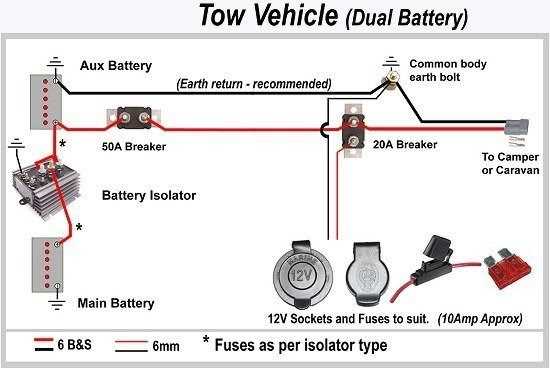
To properly connect two power sources for either higher voltage or extended run time, first determine whether you need a series or parallel connection. For increasing the voltage, connect the positive terminal of one to the negative terminal of the other. This will combine their voltage but maintain the same capacity. On the other hand, a parallel setup maintains the voltage but increases the overall capacity of the system.
Start with correct terminal placement: For a series connection, the positive terminal of the first source links to the negative terminal of the second, with the free terminals acting as the output. For parallel, connect like terminals together – positive to positive and negative to negative – ensuring the polarity is correctly aligned to avoid malfunction or damage.
Ensure proper gauge of cables to handle the current, as undersized wires may lead to overheating or performance issues. The wire gauge depends on the total current that will pass through it, so select appropriately based on the power requirements of your setup.
Also, make sure to use high-quality connectors that securely fasten the wires to the terminals. Loose or poorly connected terminals can lead to intermittent power issues or potential safety hazards.
Finally, double-check the setup before powering up the system. A quick inspection of all connections and ensuring everything is securely fastened will save you time and prevent costly mistakes. After the setup is complete, verify the performance to ensure the expected output voltage and capacity are achieved.
Dual 12V Power Source Connection Guide
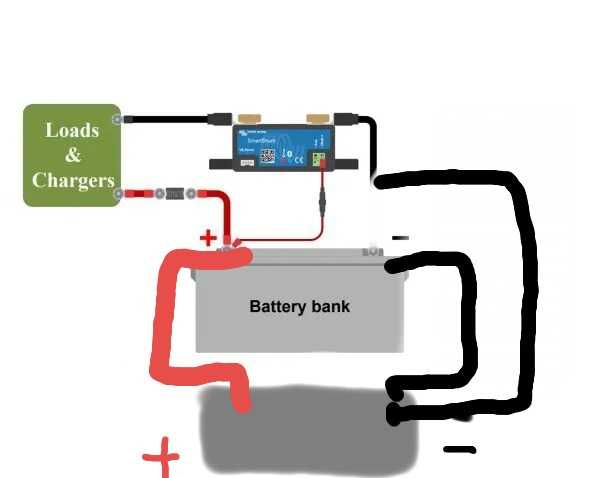
To set up two power sources, the first step is to determine whether you want to connect them in parallel or series. A parallel setup will keep the voltage the same but double the capacity, while a series connection will increase the voltage but keep the same current rating.
Parallel Connection
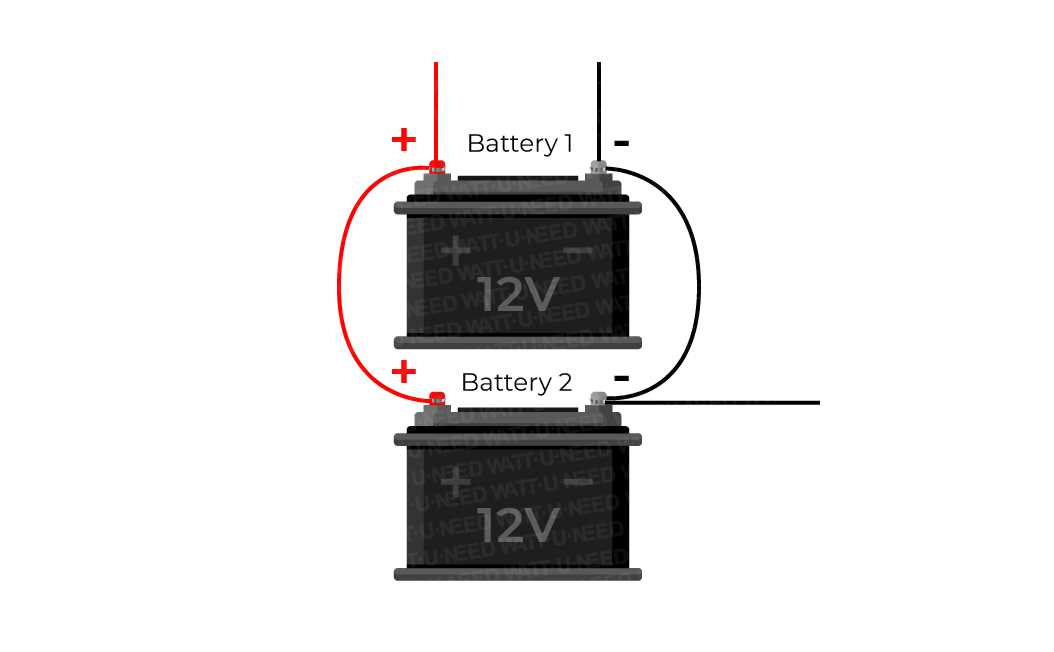
For a parallel connection, connect both positive terminals together and both negative terminals together. This will maintain the original voltage of the system but double the available capacity (amp-hour rating). Ensure the wires used are thick enough to handle the increased capacity without overheating.
Series Connection
In a series configuration, connect the positive terminal of the first power unit to the negative terminal of the second. The remaining open positive and negative terminals will then act as the output terminals. This setup doubles the voltage while maintaining the original capacity. Always double-check the polarity before completing this connection to avoid potential damage.
After making the connections, use connectors that fit securely on the terminals to prevent any loose connections, which can cause intermittent power loss or safety issues. Ensure all terminals are tight, and check that the wires are insulated properly to prevent any short circuits.
Once everything is connected and secured, test the setup by measuring the output voltage and capacity to ensure the system is working as expected. Adjust the configuration as needed, making sure all connections are stable and reliable before use.
How to Connect Two 12V Power Sources in Parallel
To connect two power units in parallel, begin by linking the positive terminals of both units together with a wire. Next, connect the negative terminals of the units using another wire. This configuration ensures that the voltage remains the same as a single unit, while the capacity (amp-hour rating) is effectively doubled, allowing for longer run times.
Choosing the Right Gauge Wire
When making the connections, it is important to use a wire that is capable of handling the total current without overheating. Use a wire gauge that is rated for the combined amperage of both units, ensuring that the connections are secure and free of any loose or exposed wires.
Securing Connections and Testing
After connecting the terminals, secure the wires tightly with appropriate connectors to prevent any loose connections. Once everything is in place, measure the output to verify that the voltage remains consistent with a single unit, but with increased capacity. This setup should now provide extended power without altering the system’s voltage.