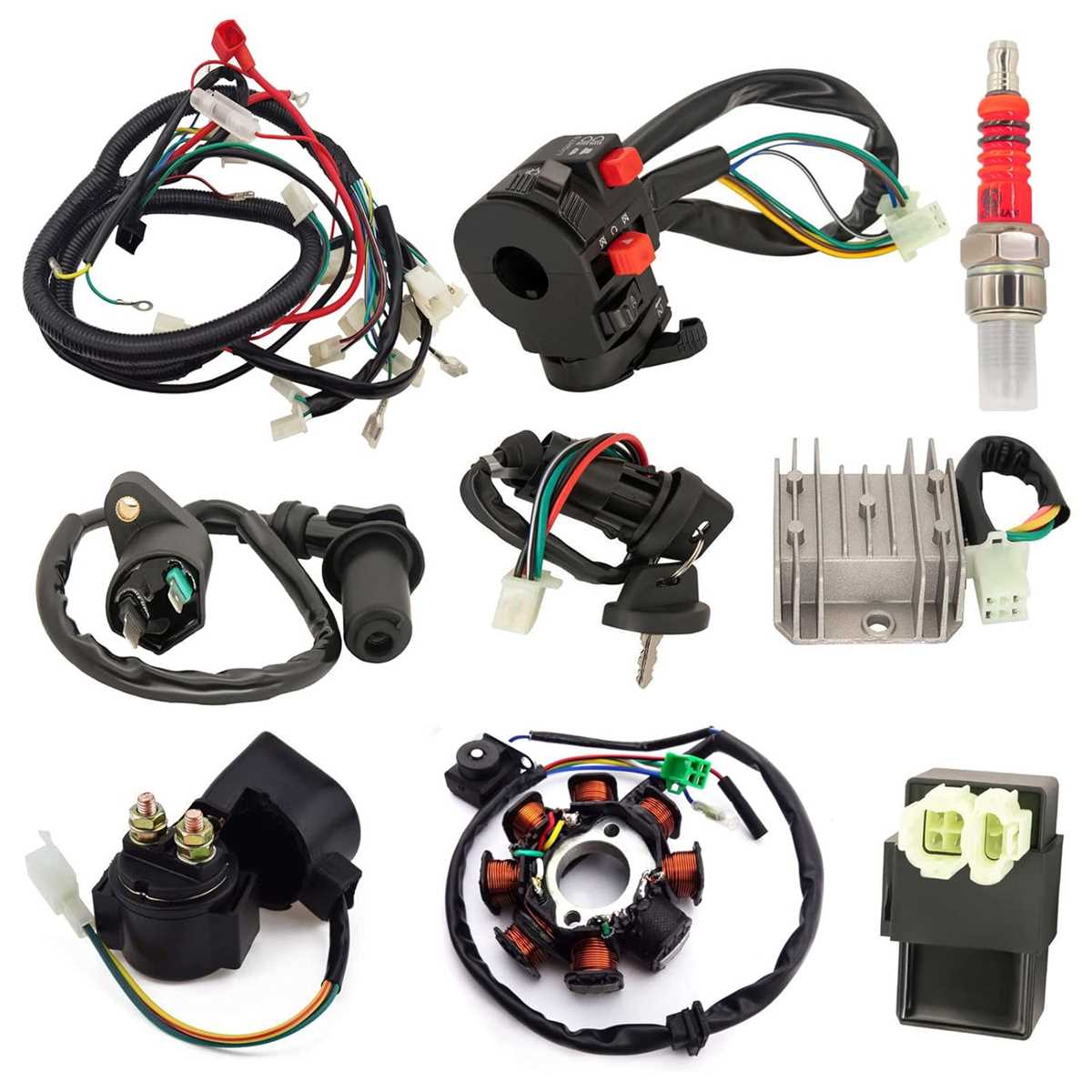
The wiring system of a small engine setup can be intricate, but understanding the basic components and their connections is key to proper installation. One of the first steps when working with these engines is to identify the crucial parts such as the ignition, battery, and fuse box. Ensure that all connections are secure to prevent any power loss or malfunction during operation.
Pay close attention to the color coding of the wires, as it plays an important role in guiding proper connections. The system typically uses standard colors for specific components: for instance, red for positive connections and black for ground. By following these standards, you can minimize the risk of errors and ensure smooth performance.
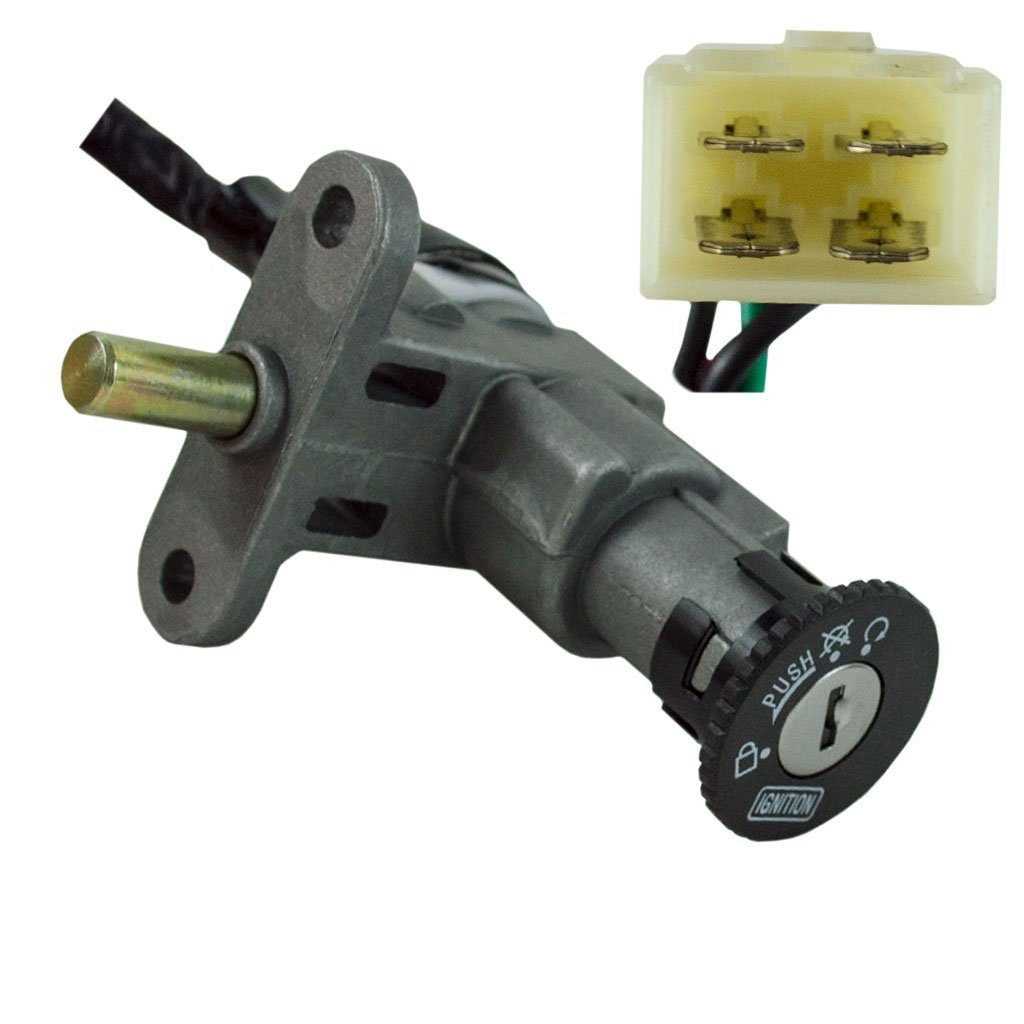
Before starting any installation or repair work, always disconnect the power source to avoid any electric shocks or damage. Use the correct tools and components, especially when dealing with electrical connectors and terminals. A simple mistake in connecting the wrong terminals can lead to system failure or even damage the engine’s core components.
150cc GY6 Scooter Electrical Setup and Connection Guide
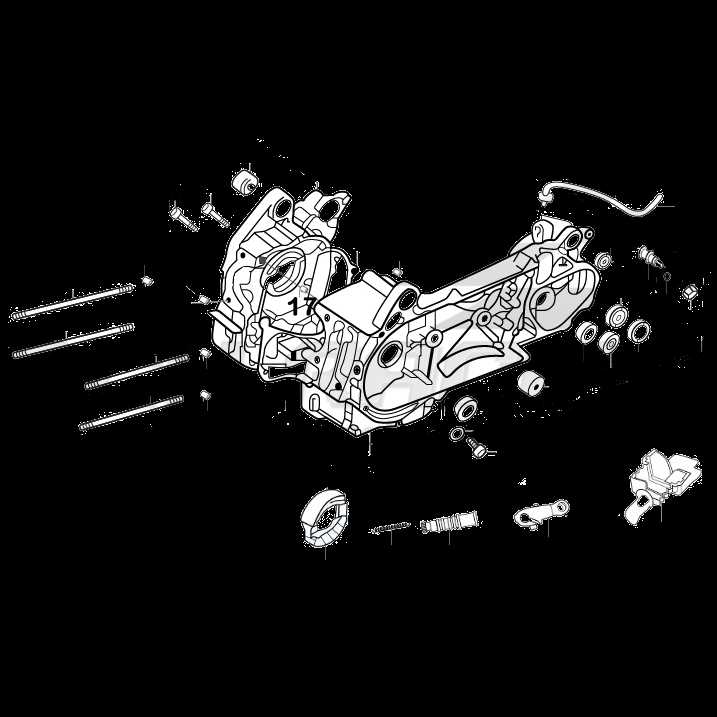
Start by disconnecting the battery before working with the electrical components. This step is vital for safety as it prevents any accidental power surges while making adjustments or repairs. Always ensure the power is off before proceeding with any installation or maintenance work.
Next, inspect the fuse box. It is responsible for distributing power to the various components of the system. Make sure the fuse is not damaged and that it is properly seated in place. If the fuse is blown, replace it with the same amperage to avoid damaging the wiring system.
When connecting the ignition system, carefully check the wiring. The ignition coil should be attached to the spark plug wire securely, and the ground wire must be properly attached to the engine’s frame. Loose or poorly connected ignition wires can result in failure to start the engine or cause intermittent power issues.
Pay attention to the stator connections, as this part of the system provides power to the battery and other electrical components. The stator should be tightly connected to the engine, with all the wires routed properly to prevent wear or damage from engine heat. Any loose connection here can result in battery charging issues or poor engine performance.
Ensure that the regulator/rectifier is correctly wired. This component is crucial for converting AC power from the stator to DC power, which is necessary for charging the battery. Double-check that the connections from the stator to the regulator are secure and free of corrosion.
Don’t overlook the lighting system. The headlights, taillights, and turn signals all rely on correct electrical connections. Use a multimeter to test the power supply to each light, making sure the circuit is complete and that no wires are shorting out. Any malfunctioning light can be an indication of a faulty wire or connection.
For the starter system, confirm that the starter relay is properly wired to both the battery and the starter motor. This will ensure that the engine starts when the ignition switch is turned on. Any malfunction in this part of the system can lead to a failure to start the engine.
Lastly, test the entire system before reassembling everything. With the power off, use a multimeter to check for continuity between wires and terminals. Once the system checks out, reconnect the battery and test the components with the power on to ensure proper function.
Understanding the Wiring Layout for a 150cc Scooter
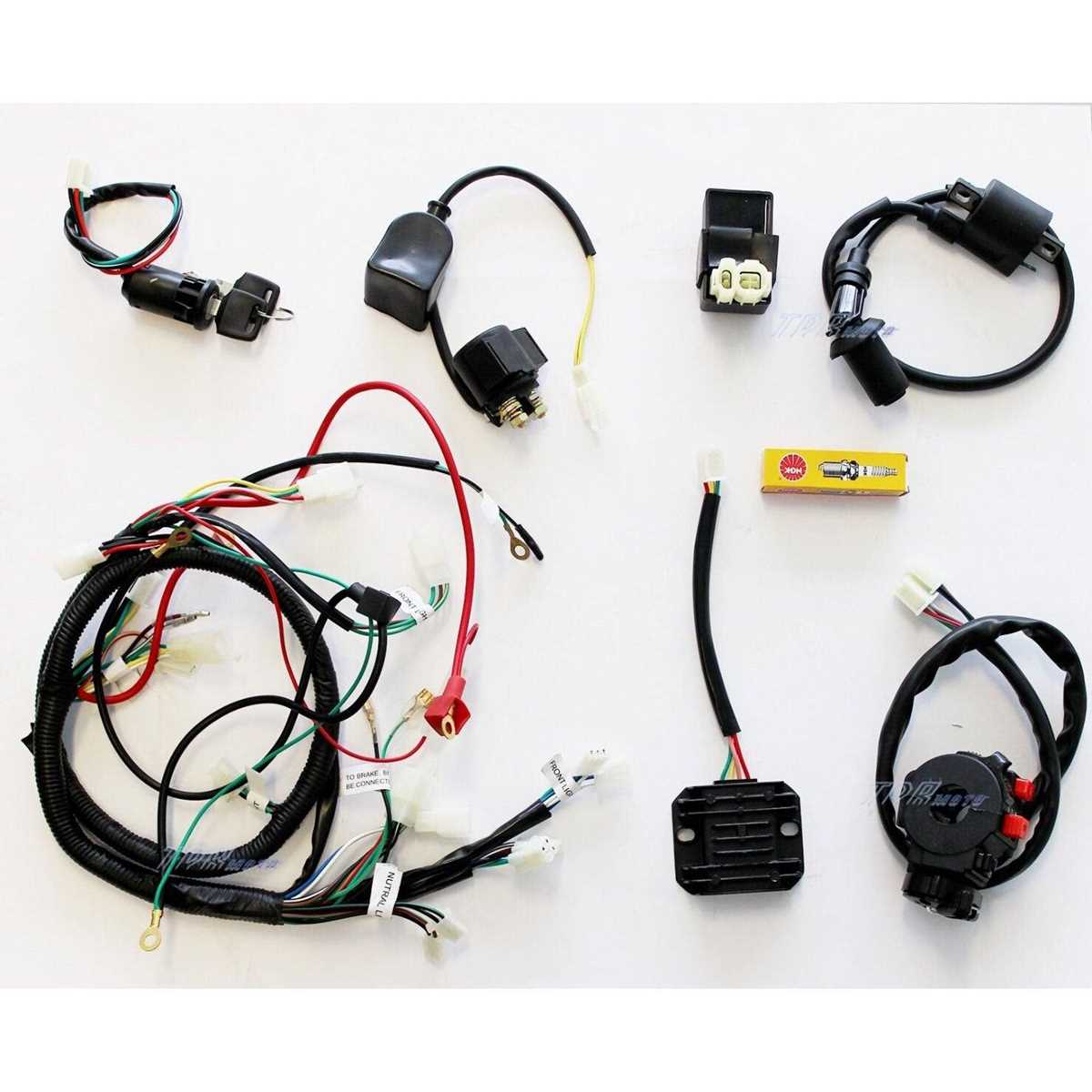
The electrical setup on these vehicles consists of several key components that work together to provide power. The main unit is the battery, which connects to the engine’s electrical system, providing power to essential parts like the ignition, lights, and sensors. Make sure the battery terminals are clean and securely connected to avoid any interruptions in power flow.
Next, the stator is an important part of the system that generates alternating current (AC) power, which is then converted into direct current (DC) for the battery. It’s crucial that the stator is securely wired and free from any damage, as a faulty stator can result in power issues and poor engine performance.
For reliable ignition, ensure that the ignition coil and spark plug are properly connected. Any loose or damaged connections here can prevent the engine from starting or cause irregular performance. Double-check that the ground wire is tightly attached to the engine frame to prevent electrical shorts.
The regulator/rectifier is responsible for controlling the voltage, ensuring that the battery does not get overcharged. Verify that the regulator is properly wired to the stator and the battery. If the regulator is not functioning properly, the battery may overcharge, which could lead to electrical failures or battery damage.