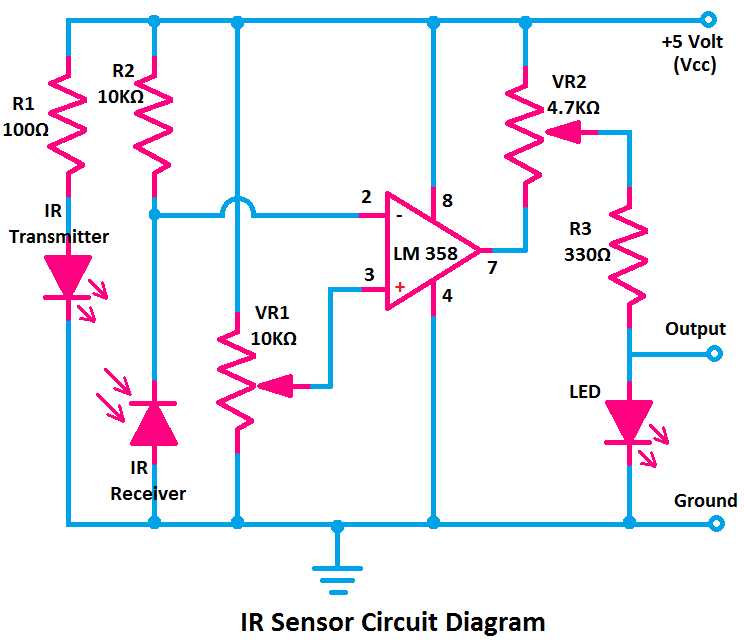
Use a 940nm IR LED paired with a matching photodiode to achieve stable detection. Ensure the emitter current is limited to 20mA using a precise resistor to prevent overheating and maintain signal integrity.
Position the sensor and receiver at a distance of 5 to 15 centimeters for optimal reflection detection. Align the components so the photodiode directly faces the emitter without angular misalignment to minimize false readings.
Implement a 10kΩ pull-up resistor on the photodiode output to stabilize voltage levels and reduce noise. Connect the output to a microcontroller analog pin for real-time monitoring of reflected IR intensity.
Shield the setup from ambient light by using a small tube or casing around the emitter and receiver. This prevents interference from sunlight or indoor lighting, improving the consistency of signal detection and response.
Infrared Sensor Electronics Setup and Troubleshooting Guide
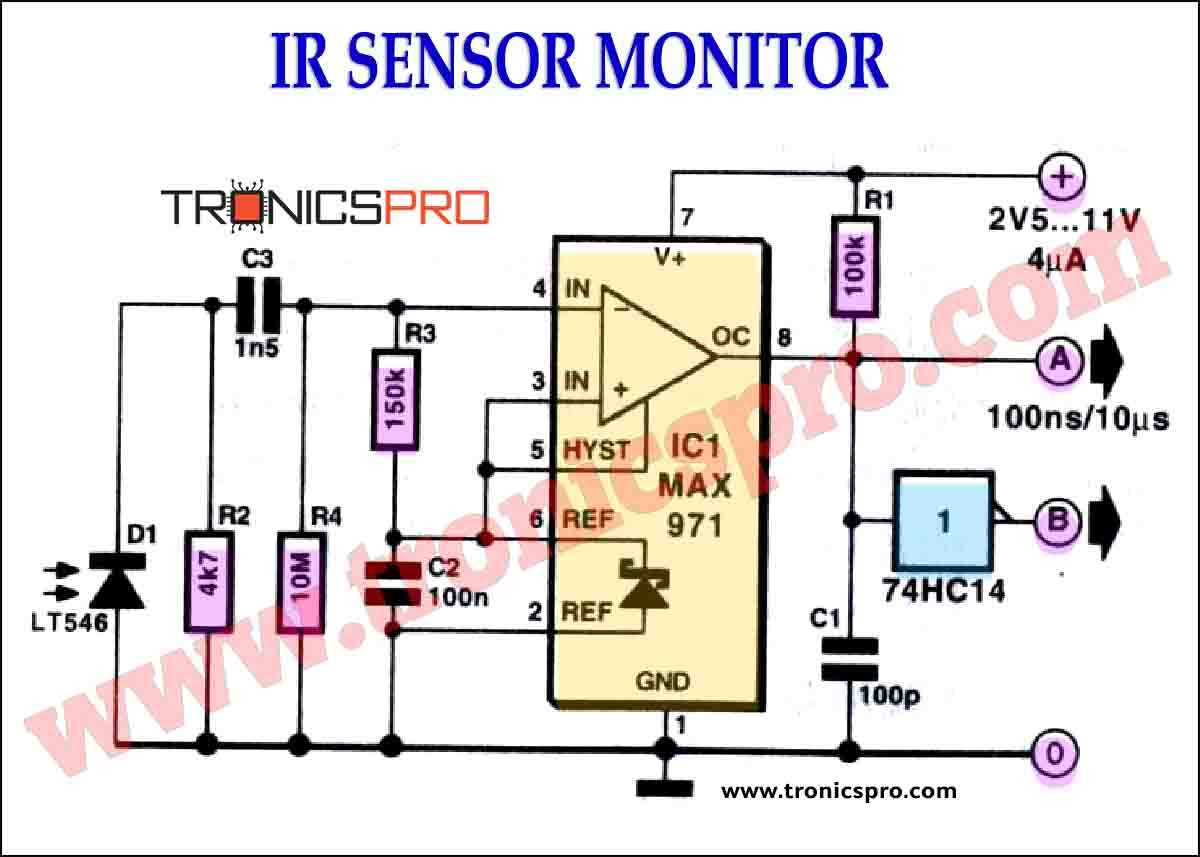
Connect the IR emitter with a current-limiting resistor of 20Ω to 50Ω depending on supply voltage to prevent overheating and ensure consistent light output. Check the forward voltage drop of the LED to select the correct resistor value for stable performance.
Position the photodiode directly facing the emitter and maintain a gap of 5 to 15 cm. Misalignment or excessive distance can cause weak signals. Use a small opaque shield around the receiver to block ambient light interference and improve detection accuracy.
Verify the output voltage using a multimeter or oscilloscope. The photodiode should produce a noticeable voltage change when an object reflects infrared light. If readings are flat, inspect solder joints, emitter orientation, and resistor connections for continuity.
Use filtering techniques to reduce noise, such as a 0.1µF capacitor across the photodiode output. If the sensor shows erratic behavior, check for loose connections, interference from nearby IR sources, and confirm proper grounding to stabilize the signal.
Choosing the Right IR Emitter and Receiver for Your Device
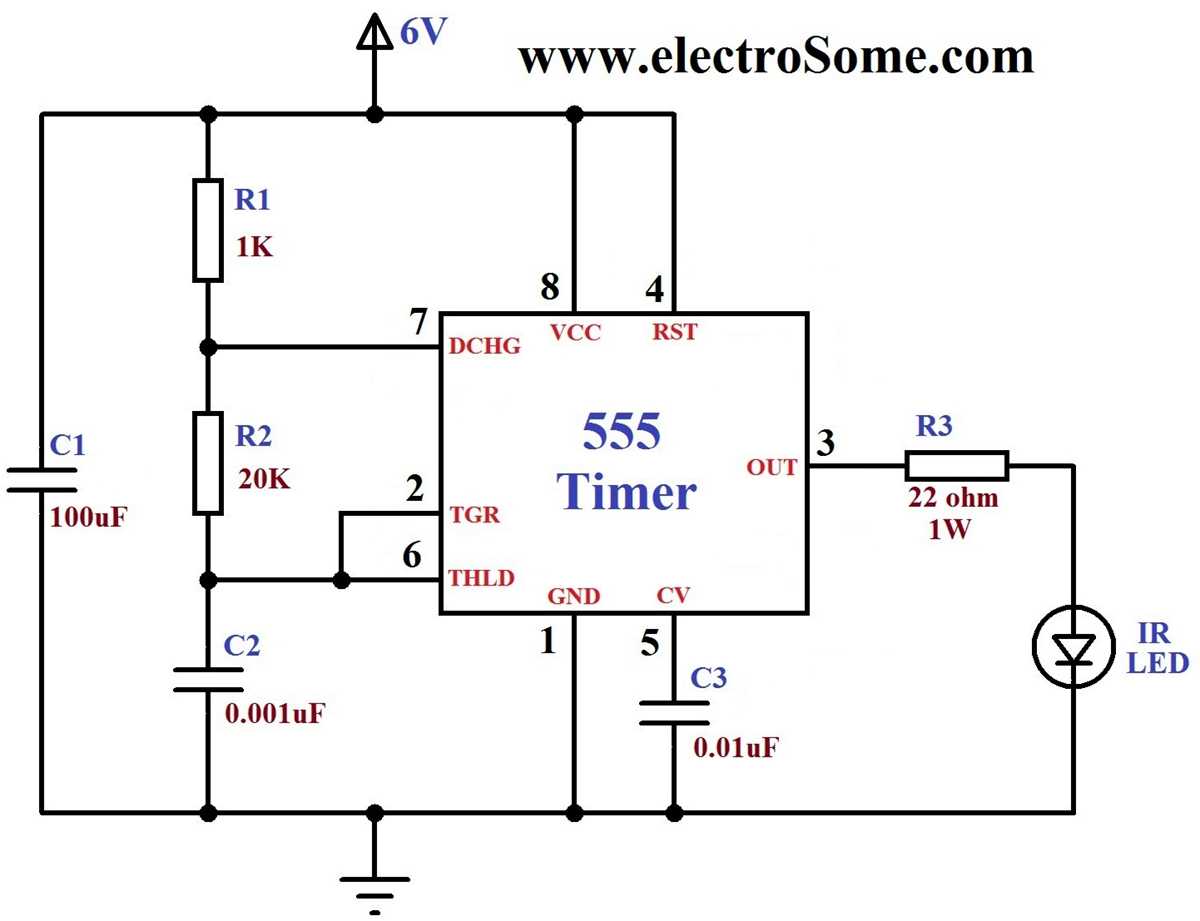
Select an emitter with a wavelength matching the sensitivity of your receiver. Standard photodiodes respond well to 850nm to 940nm infrared light. Using mismatched components reduces signal strength and can lead to inconsistent readings.
Consider the forward current rating of the emitter. Most IR LEDs operate between 20mA and 50mA. Ensure your power source can supply stable current without exceeding the LED’s maximum rating to prevent overheating and shorten lifespan.
Check the viewing angle of the emitter. Narrow angles concentrate light for long-distance detection, while wider angles provide broader coverage for proximity applications. Align emitter and receiver angles to maximize signal reception.
Choose a receiver with a fast response time if detecting moving objects. Photodiodes with response times under 10µs capture quick changes, while slower devices may miss rapid transitions or produce lagging signals.
Use optical filters if ambient light interference is present. Receivers with built-in IR filters or additional bandpass filters improve accuracy by blocking sunlight or artificial light, ensuring the sensor only responds to the emitter’s wavelength.
Consider packaging and mounting options. Encapsulated emitters and receivers with lenses can enhance alignment and protection against dust or vibration. Ensure the housing allows proper line-of-sight and maintains mechanical stability during operation.