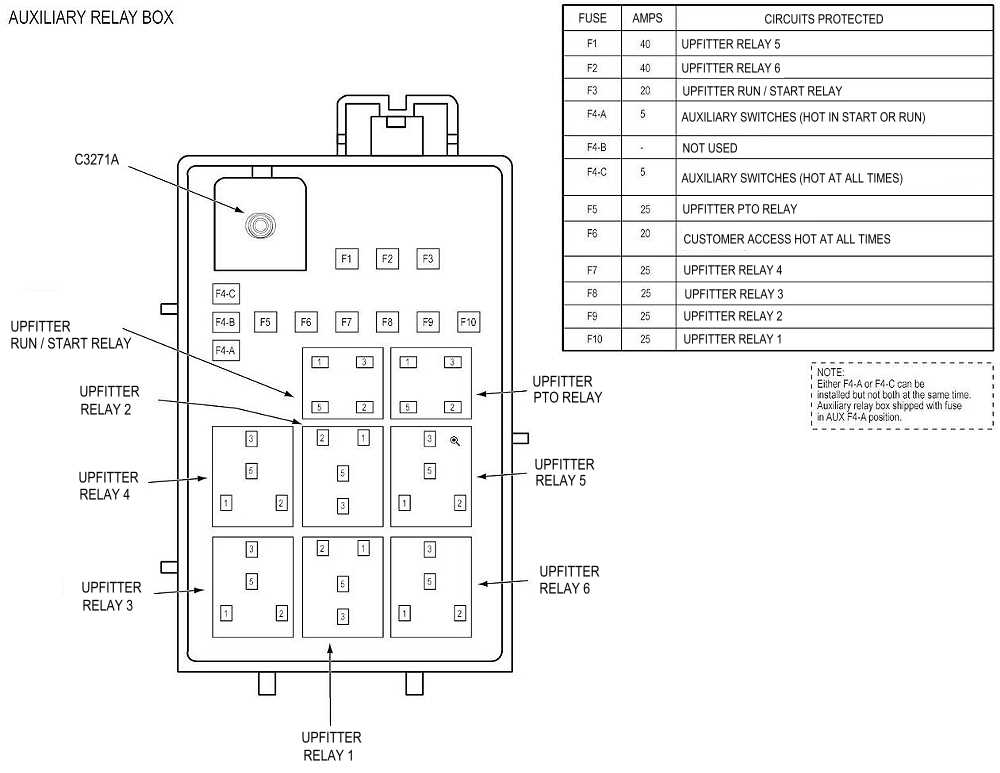
Start by connecting a second power source to the van’s main electrical system for improved power capacity. This is a common modification for those who require additional power for heavy-duty tools or appliances during long trips. Use a dedicated isolator relay to prevent overloading the system and allow each power source to charge independently.
To ensure smooth integration of multiple circuits, wire your setup carefully, following an organized layout that separates high and low current paths. This setup helps prevent electrical interference and ensures safety during use. Verify that each component is rated to handle the total load, especially when adding additional devices.
Regularly inspect and test each connection to avoid issues that may arise from wear or corrosion. Use high-quality connectors and fuses to maintain long-term reliability. Be sure to use waterproof connectors for outdoor installations, especially when exposed to the elements. Testing the system before full deployment will ensure all connections are secure and functional.
Ford Van Electrical System Setup with Additional Power Sources
Begin by selecting a reliable isolator relay to manage the separation of your vehicle’s main and auxiliary power sources. This component ensures that each power unit charges independently without risk of one draining the other. It also prevents damage from power surges, a key concern when installing extra electrical components.
Next, route the main power cables to the secondary unit. The cable gauge should be chosen based on the expected load, ensuring it can handle the peak current without overheating. Using thicker cables than necessary is always better to avoid strain on the system, especially for high-demand equipment.
Once the power connections are secured, connect each auxiliary unit to its dedicated switch. These switches must be rated to handle the combined load of the additional equipment. Ensure the switches are placed within easy reach for control but also protected from potential damage, such as water or accidental activation.
Ensuring Proper Fuses and Circuit Protection
For every component you add to the system, integrate a fuse that matches its power requirement. Each power circuit must have an individual fuse to protect against overcurrent situations. A properly sized fuse will prevent overheating and fires in case of a short or electrical malfunction.
Verify the fuse ratings before installation. Using fuses with higher ratings than required may seem convenient, but it can result in damage to other components. Always consult the specifications of each part and match it with the correct fuse size.
Testing and Troubleshooting Electrical Connections
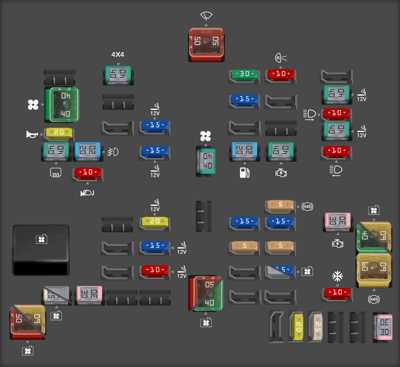
Before finalizing the installation, test the entire system to ensure all connections are secure and functioning properly. Use a multimeter to check voltage levels at different points in the circuit. Any irregularities should be addressed immediately to prevent future failures.
After completing the installation, run the system under load conditions to identify any issues, such as weak connections or overloading of circuits. Regularly inspect the system, especially after long trips or heavy usage, to ensure everything is running as expected and to catch potential problems early.
How to Install a Secondary Power System in a Van
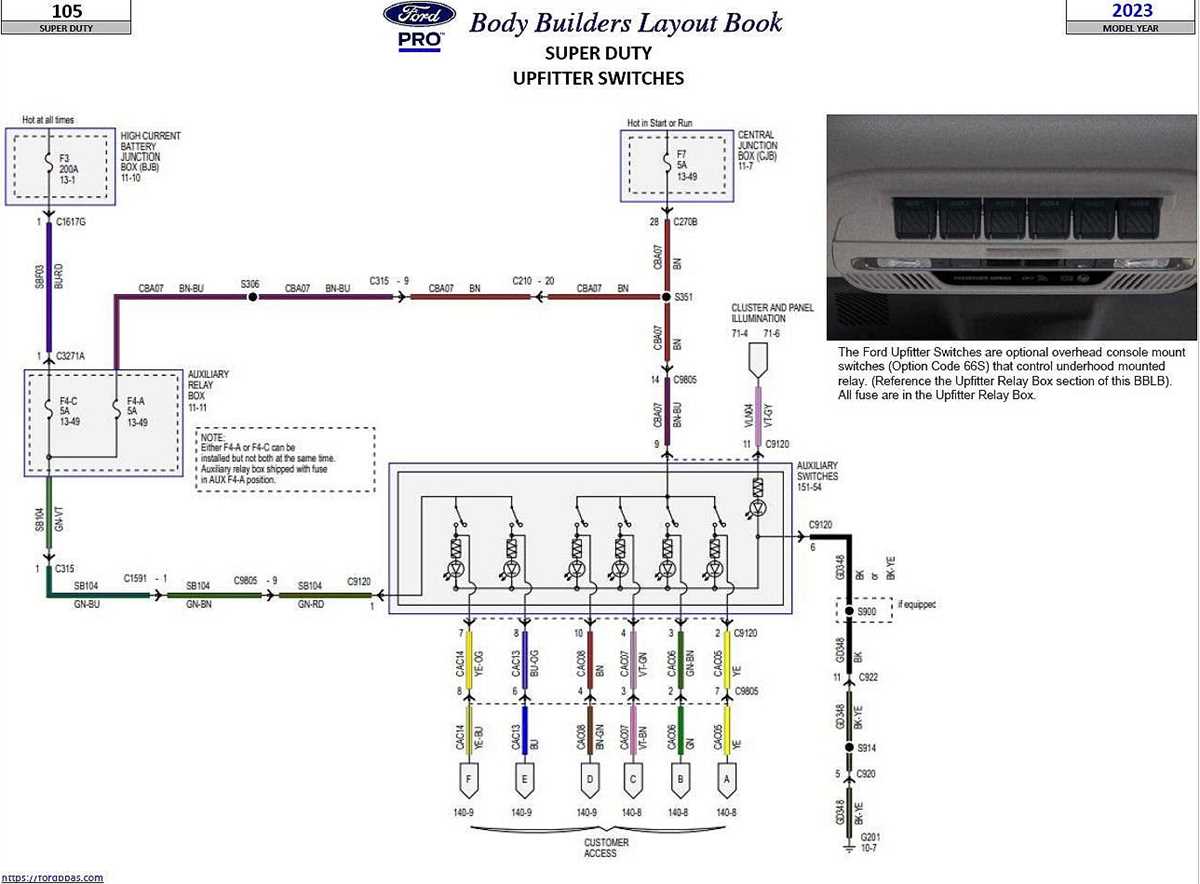
Start by gathering the necessary components: a secondary power source, isolator relay, mounting hardware, and appropriate cables. Ensure that the isolator relay is designed to separate the primary and secondary power sources to prevent one from discharging the other. This relay should be installed close to the primary unit to minimize the distance between both power sources.
Mount the secondary power source in a secure location, ensuring it’s away from heat sources, moisture, or any moving parts. The ideal spot is typically within the vehicle’s engine compartment or under the chassis where there is adequate ventilation. Secure it using proper mounting brackets to avoid any shifting or damage during operation.
Next, run the main power cables from the primary system to the secondary source. Make sure the cable gauge is appropriate for the expected load. Thicker cables are recommended for higher current to prevent overheating or power loss. Avoid sharp bends in the cables, as this can lead to potential failures over time.
- Ensure both the positive and negative cables are securely connected and protected from wear or corrosion.
- Consider using protective tubing or conduit to shield the cables from external damage.
Connect the isolator relay to both power sources. The relay should be installed in line with the positive cable from the primary source to ensure both power sources are properly separated during charging and discharging cycles. Check the relay’s specification to ensure it is compatible with both power units.
Install the control switch for the secondary power source in a convenient location, such as near the dashboard or in the cab area. This allows easy monitoring and control of the secondary power supply. Ensure that the switch is rated to handle the power requirements of the additional system.
Test the entire setup once all components are connected. Check for voltage across both power sources and ensure the isolator relay is functioning correctly, allowing both units to charge independently. Use a multimeter to verify the integrity of the system and make sure no circuits are overloaded or improperly connected.
- Turn on the vehicle and monitor the system under load to check for stability.
- Look for any unusual signs, such as excessive heat or power fluctuation.
Finally, conduct a full operational test by using the secondary system under typical conditions. This will help ensure that the system is not only safe but also capable of handling the intended loads without issues. If any irregularities are noticed, troubleshoot by checking the connections, isolator relay, and fuse ratings.