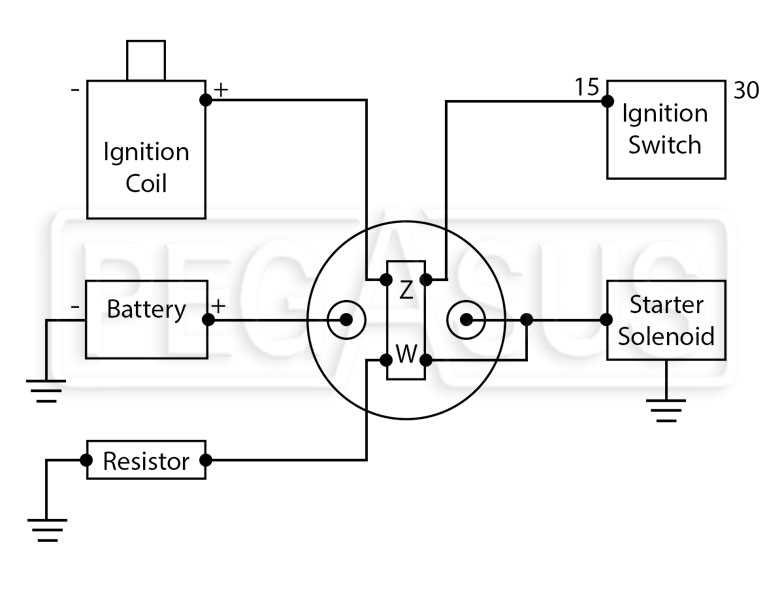
To properly integrate a disconnect mechanism into your electrical setup, start by choosing a reliable device with a suitable amperage rating for your system. Connect the power source to one terminal, and use the other terminal for the output that will control the flow of current when activated or deactivated. This setup is key for protecting sensitive equipment and controlling power safely.
Pay attention to the type of cabling you use; it must be able to handle the electrical load without overheating. For typical systems, ensure that the cables are of the appropriate gauge to avoid voltage drops and ensure long-term durability. Use proper connectors and consider adding a fuse for additional protection.
If you’re integrating the device into a vehicle or larger system, make sure the connections are secure and insulated to prevent short circuits. It’s also a good idea to check the connections periodically to ensure they are free from corrosion and wear, especially in harsh environments.
Battery Disconnect Switch Wiring Guide
Start by choosing the correct component based on your system’s voltage and current requirements. Select a device rated for the specific electrical load you will be controlling. For vehicles or high-current applications, look for a component that can handle at least 1.5 times the maximum expected load.
Next, connect one terminal of the device to the positive terminal of your power source. Use a heavy-duty cable that can handle the maximum current without overheating. Ensure the cable is properly insulated to prevent accidental short circuits.
For the output connection, choose a terminal that will be connected to the rest of the system you want to control. This could be the main power line feeding your electrical devices or equipment. Make sure the terminal is tightly secured to avoid loose connections, which could lead to power loss or sparking.
Secure and Insulate the Connections
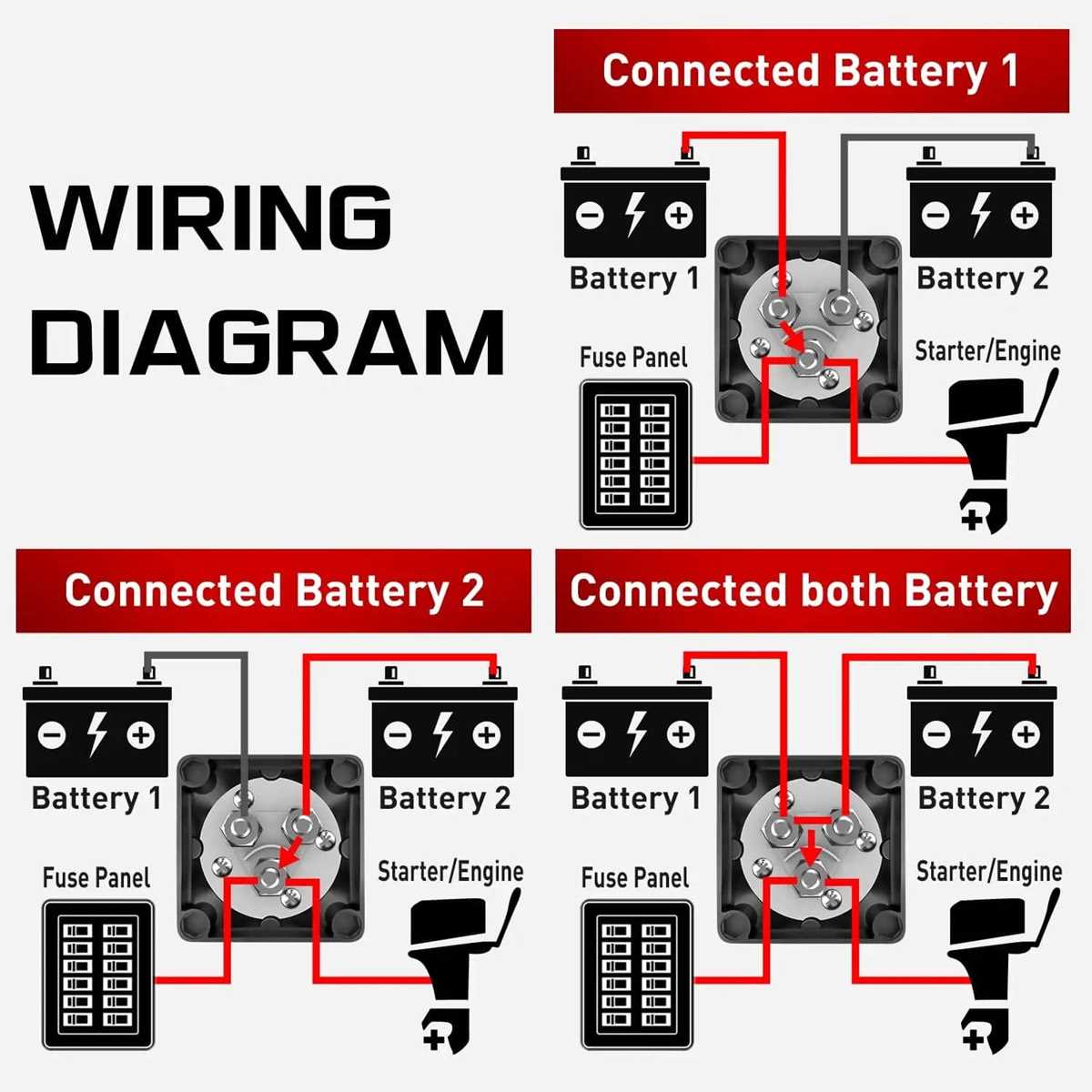
Proper insulation of connections is critical for safety. Use heat shrink tubing or electrical tape to cover exposed connections. This will help prevent accidental contact with conductive surfaces and protect against environmental elements like moisture and dirt.
If you’re using a manual device, ensure that the handle or lever is easily accessible. Mount the unit in a location that’s both convenient and safe, ensuring that it can be activated or deactivated without difficulty.
Testing and Adjustments
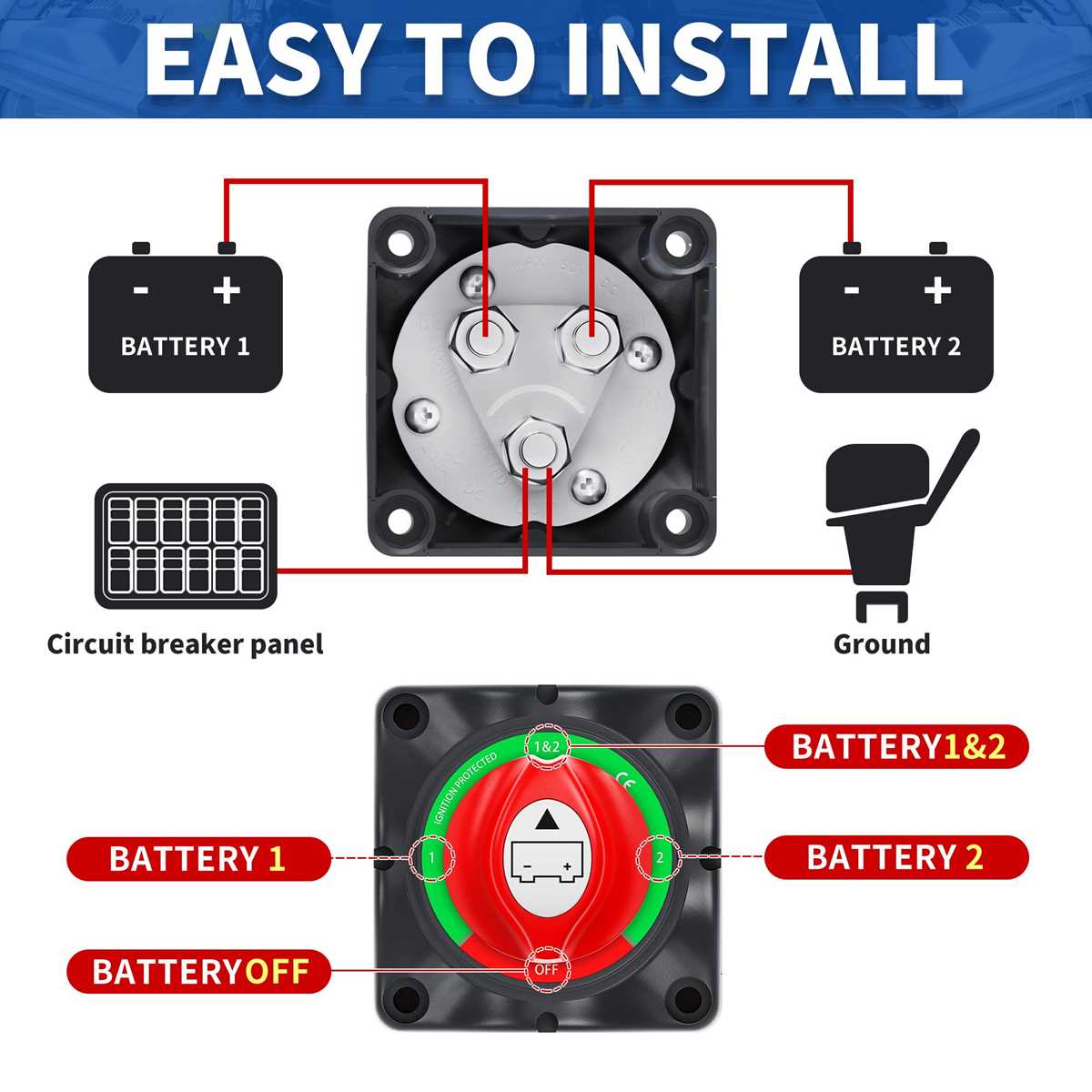
Once everything is connected, test the system by turning the control device on and off. Check the current flow using a multimeter to confirm that power is being correctly regulated. Ensure the components don’t overheat during operation.
After testing, make any necessary adjustments to tighten connections or replace components if needed. Over time, inspect the system to ensure all connections remain secure and insulated.
Finally, consider adding a fuse to the line to protect against any potential overloads. The fuse should be rated just above your system’s maximum operating current, allowing it to protect your system without tripping during normal operation.
Steps to Install a Battery Disconnect Switch in a Vehicle
To begin, locate a suitable area in your vehicle to mount the control unit. Ideally, this should be close to the power source for easy access, but away from heat sources or places exposed to excessive moisture. Use a drill to create holes for the mounting bracket, ensuring it’s firmly attached. After securing the unit, connect the positive terminal of the power supply to the input terminal of the device using a properly rated cable.
Once the input is connected, proceed by linking the output terminal to the rest of your vehicle’s electrical system. Ensure the connection is tight to avoid any potential sparks or power loss. After completing the installation, test the system by activating and deactivating the control to ensure the power is being properly routed. If necessary, check the connections for any loose or improperly insulated areas and make adjustments accordingly.