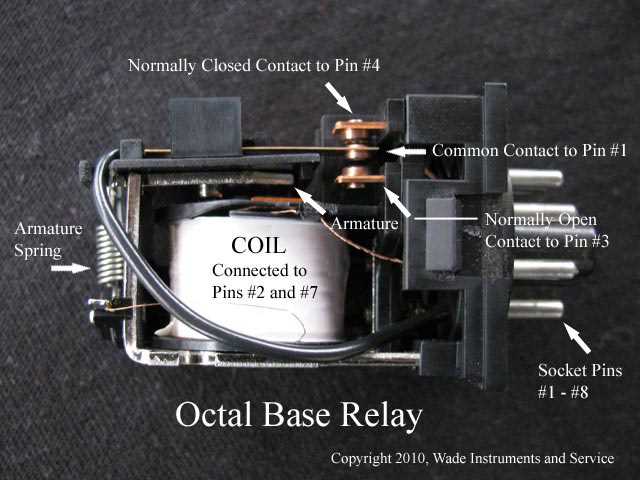
Connect each terminal according to its designated function to prevent shorts and ensure proper activation of the control circuit. Label connections clearly to simplify maintenance and future troubleshooting.
Verify the coil and contact links before applying power. Measure continuity to confirm that control inputs correctly engage the switching mechanism and that load circuits receive uninterrupted current flow.
Organize high-current and low-current paths separately to reduce interference and minimize voltage drops. Use insulated connectors and secure mounting points to prevent vibration-related disconnections and overheating.
11 Contact Component Connection Layout
Identify each terminal according to its function before making any connections. Use a multimeter to verify continuity and ensure that control inputs and output circuits match the expected layout.
Separate high-current and low-current paths to prevent interference and voltage drops. Route thick cables for load circuits independently from control leads to maintain stable operation under full load.
- Main power input from the battery or power source
- Load output terminals to motors, lights, or actuators
- Coil or activation terminals for control signals
- Auxiliary contacts for indicator circuits or feedback loops
Secure all connectors tightly using proper nuts, washers, and insulated terminals. Loose connections can cause arcing, heat buildup, and intermittent operation that damages components over time.
Testing the Control Links
Measure voltage across coil terminals to ensure proper engagement when control switches are activated. Check that each output contact closes fully and passes rated current without excessive resistance.
Verify auxiliary paths separately to confirm that indicator lights and safety circuits operate correctly. Include a checklist to track each connection and reduce errors during installation or troubleshooting.
Maintenance and Troubleshooting Tips
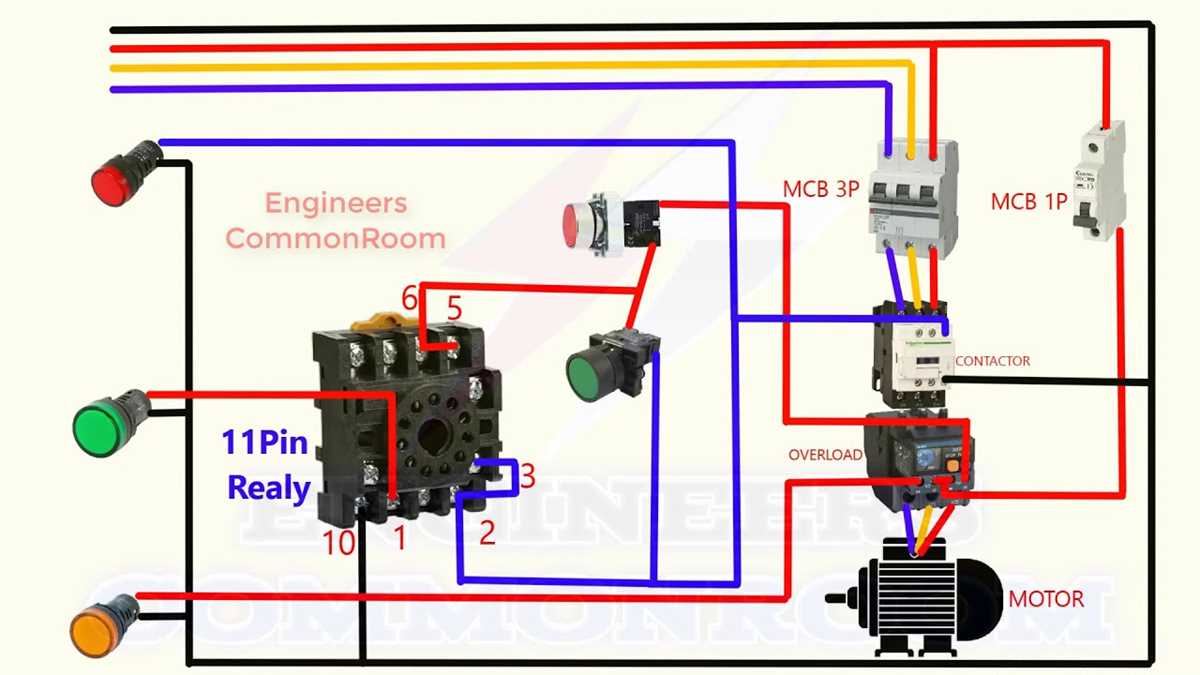
Inspect all terminals periodically for corrosion, oxidation, or loosened nuts. Clean contact surfaces and tighten fasteners to maintain reliable operation over long-term use.
Document the layout and test results to simplify future modifications and prevent repeated errors. Maintaining clear records ensures that any faults can be diagnosed quickly and repairs applied accurately.
Identifying Terminals and Contact Points
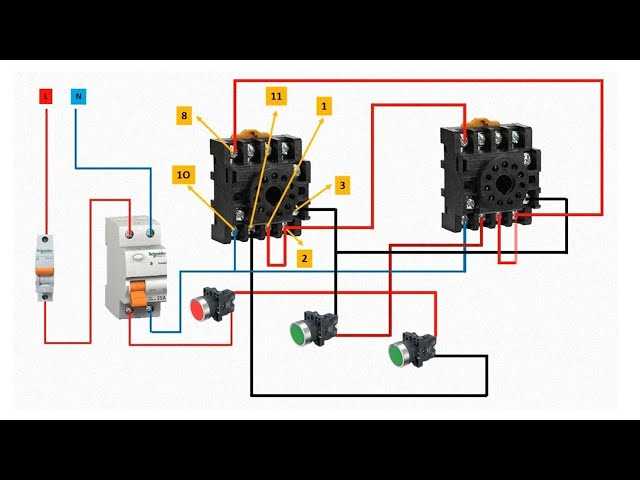
Label each terminal clearly before connecting any cables to avoid misplacement. Use color-coded markers or numbered tags to distinguish power inputs, outputs, and control leads.
Check the arrangement of contact points to confirm which terminals activate load circuits and which handle control signals. Understanding this layout reduces the risk of short circuits and ensures reliable operation.
Separate high-current and low-current terminals physically. Keep thick cables for load connections away from delicate control leads to prevent voltage drops and minimize interference.
- Main input from the power source
- Output connections to motors or devices
- Activation terminals for control signals
- Auxiliary contacts for indicators or feedback circuits
Secure connections tightly with appropriate fasteners. Loose terminals can cause arcing, overheating, and intermittent function that damages the component.
Testing Terminal Functionality
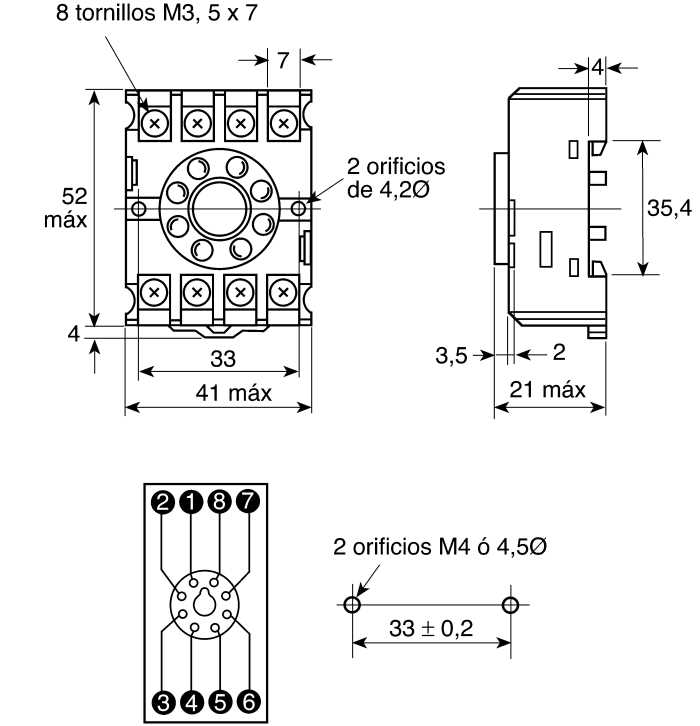
Use a multimeter to measure continuity and voltage at each contact point. Verify that activating the control circuit engages the correct load contacts without unexpected resistance or open circuits.
Maintenance Recommendations
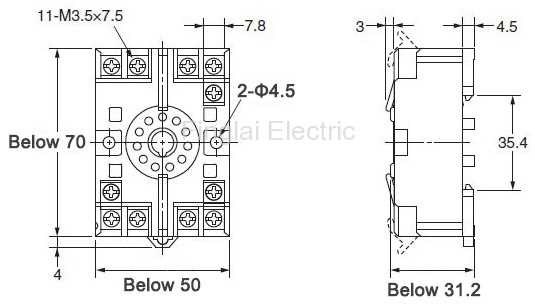
Inspect terminals regularly for corrosion, oxidation, or loosening. Clean surfaces, tighten fasteners, and document the layout to ensure long-term reliability and simplify future troubleshooting.