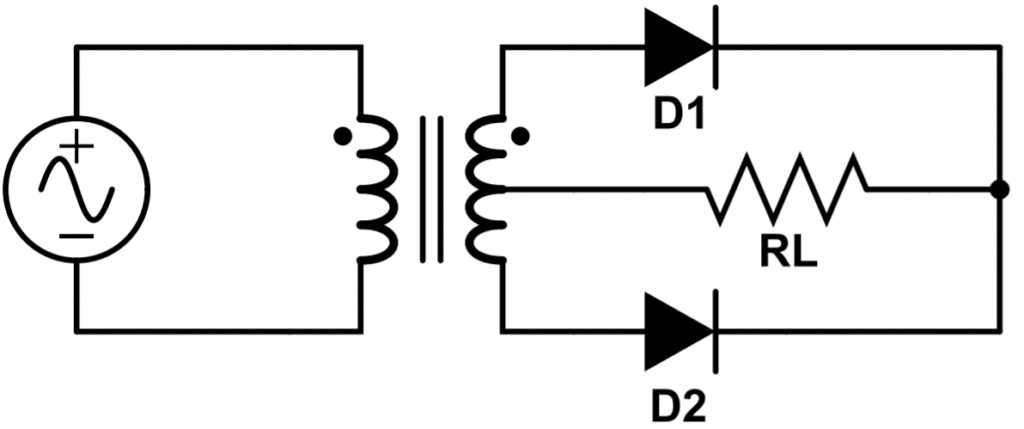
Connect the transformer secondary terminals directly to the diode assembly, ensuring correct polarity for each component. Use insulated wires rated for the anticipated voltage and current to maintain safety and accuracy.
Arrange diodes in opposing pairs to allow alternating current to pass through each path sequentially. Check that each junction is secure and that solder or terminal connections are free from oxidation or loose contacts.
Attach the load resistor or device to the output terminals, making sure the polarity matches the expected DC orientation. Verify that connections are firm to avoid voltage drops or overheating during operation.
Measure output voltage and current using a reference instrument before full deployment. Compare the readings against expected values to confirm the conversion is stable and within safe limits for the connected load.
Step by Step Guide to AC to DC Conversion Setup
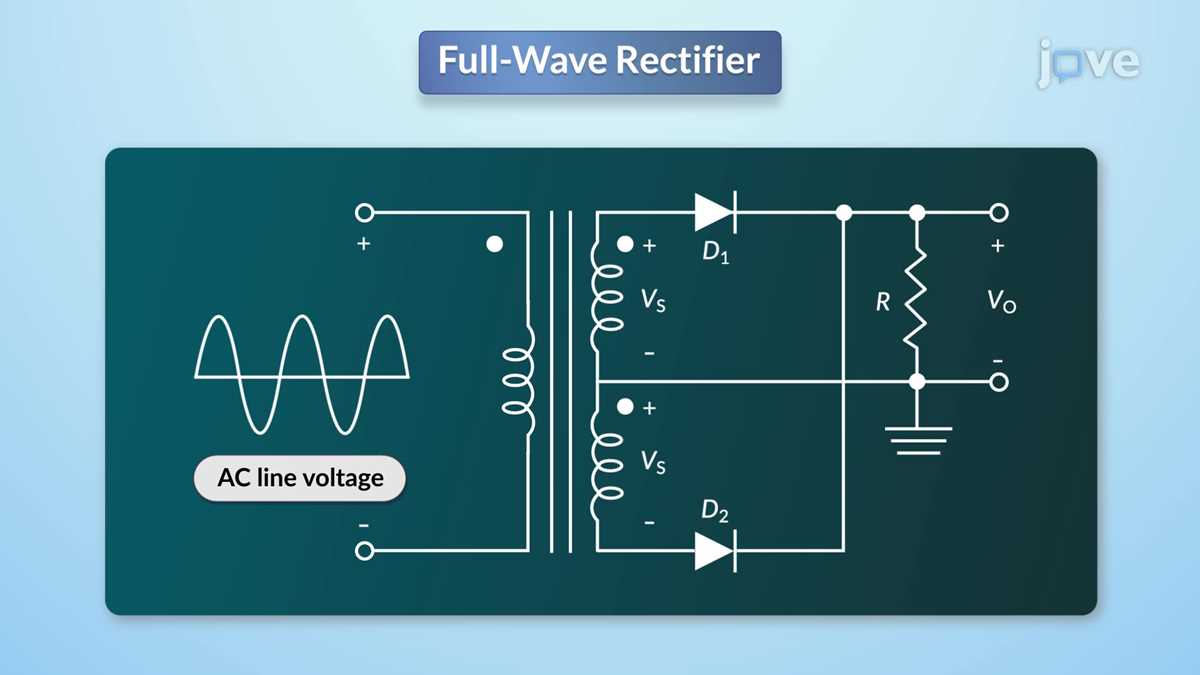
Secure the transformer secondary terminals to the input posts of the diode assembly. Ensure the wire gauge matches the anticipated current to prevent overheating and maintain stable voltage delivery.
Position diodes in opposing pairs so that each alternates conducting current during opposite half-cycles. Check solder joints or terminal screws to ensure no loose connections that could cause voltage fluctuations.
Connect the load device to the output terminals, confirming proper polarity. Improper attachment may lead to reversed current flow, causing potential damage to sensitive components.
Install filtering capacitors across the output to smooth pulsating DC voltage. Select capacitor values based on load requirements and expected ripple frequency to maintain consistent voltage levels.
Arrange all wiring neatly within insulated conduits or junction boxes. Keep power lines separated from control or measurement lines to reduce electromagnetic interference and avoid inaccurate readings.
Test each connection under a controlled AC input before full operation. Measure voltage across the load and verify that it remains within specified limits during both half-cycles of the input supply.
Document all connections with labels or a small schematic. This record simplifies maintenance, future upgrades, and troubleshooting, ensuring that each input, output, and auxiliary component can be easily identified.
Identifying Transformer and Diode Connections
Determine the primary and secondary terminals of the transformer before making any connections. Verify voltage ratings on each winding and label the leads to prevent incorrect attachment that could damage the assembly or downstream components.
Connecting the Transformer to the Diode Assembly
Follow this sequence to ensure proper connection:
- Attach the secondary leads to the input posts of the diode pairs, observing polarity markings.
- Check that each diode is oriented so current flows toward the output during its conducting half-cycle.
- Secure connections with screw terminals or solder joints, ensuring no loose contacts.
Verify each diode path with a multimeter set to diode mode. Measure forward and reverse resistance to confirm correct orientation and functionality before applying AC power.
Arranging Output and Load Connections
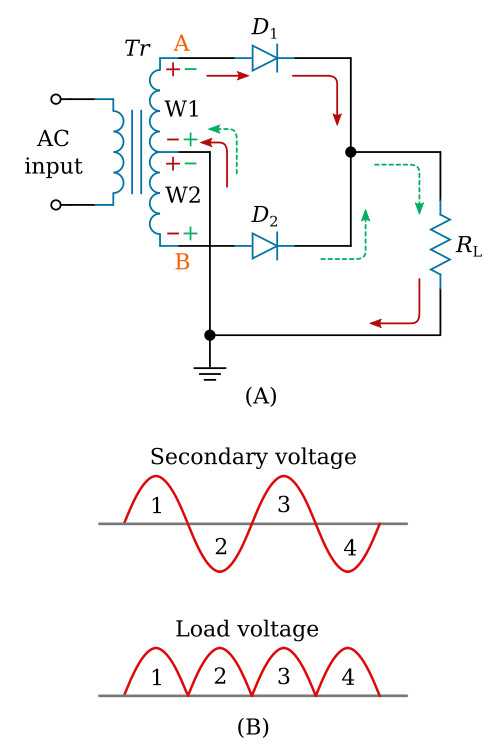
Connect the load to the output terminals of the diode assembly, ensuring that positive and negative terminals match the expected DC orientation. Use insulated wires rated for the load current, and avoid crossing conductors to minimize risk of shorts or interference.
Document all connections including transformer leads, diode orientation, and load terminals. Proper labeling simplifies troubleshooting, future modifications, and ensures consistent operation under varying input conditions.