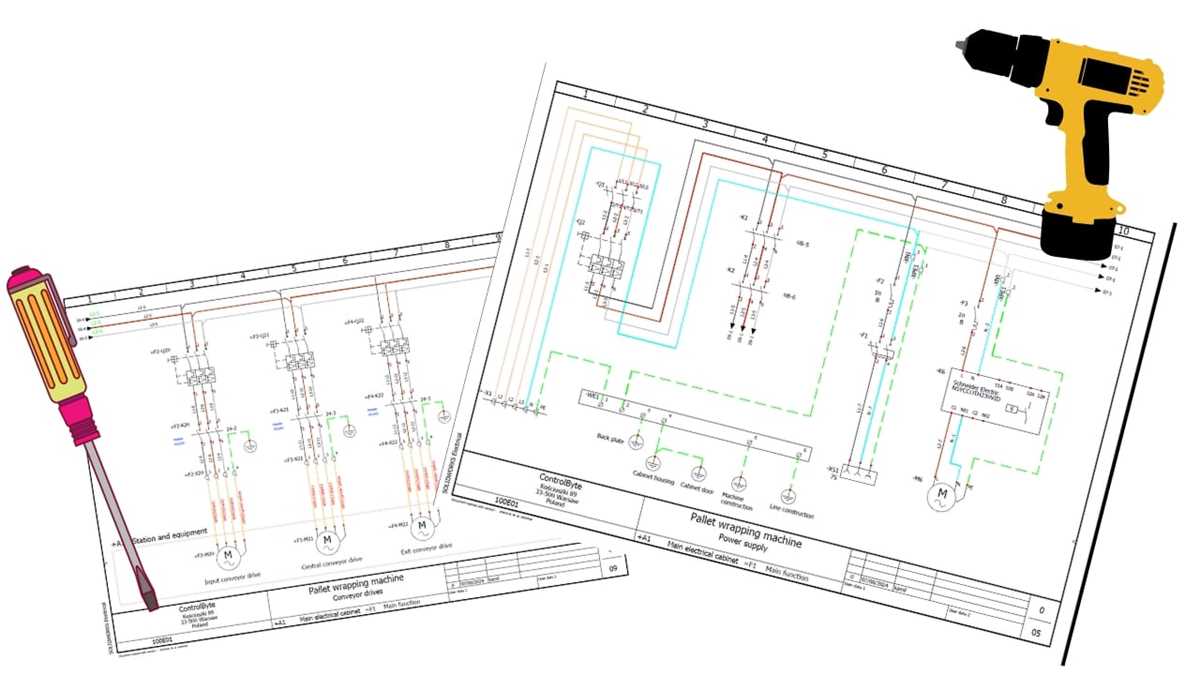
Trace the electrical path from the power source toward ground while following each symbol and connection line. Most circuit drawings place the supply at the top or left side of the page and the return path at the bottom or right. This orientation shows current flow through switches, resistors, relays, and loads such as motors or lamps.
Recognize graphic symbols before analyzing the circuit layout. A zigzag line usually represents a resistor, parallel plates indicate a capacitor, and a coil shape identifies an inductor or relay winding. Switch contacts appear as broken lines that close when activated, while triangles or arrows often represent signal direction in control circuits.
Component labels provide numeric values and identification codes. A resistor may appear as R1 with a value such as 10 kΩ, while a capacitor could be marked C3 with 100 µF. These markings allow quick identification during troubleshooting or assembly. Cross-reference these codes with the parts list in technical documentation so each device in the drawing matches a physical component on the board or inside equipment.
Connection points show where conductors join. Solid dots indicate a junction, while crossing lines without a dot remain separate. Following these junction marks prevents misinterpretation when multiple circuit paths intersect on a single page.
How to Read a Schematic Wiring Diagram Using Symbols Lines and Circuit Paths
Trace the circuit from the power source toward the return path while following each connection line. Most electrical drawings place voltage supply on the left or top of the page and ground on the right or bottom. This layout helps track current flow through switches, resistors, relays, and loads such as motors or lamps.
Identify graphic symbols before analyzing the full circuit layout. A zigzag element represents a resistor, two parallel plates indicate a capacitor, and a coil shape marks an inductor or relay winding. Switch contacts appear as open gaps that close during activation.
Follow continuous lines that connect components. Each line represents a conductor path linking devices in the circuit. Lines that intersect without a solid dot remain separate paths, while a filled dot marks a junction where multiple conductors join.
Observe component identifiers printed next to each symbol. Labels such as R1, C2, or K3 correspond to resistors, capacitors, and relays. Numeric values placed beside these identifiers show resistance in ohms, capacitance in microfarads, or coil voltage ratings.
Trace branch circuits one segment at a time rather than scanning the entire page at once. Focus on a single path from supply through switching devices and toward the load, then continue toward the ground reference.
Compare the electrical drawing with the physical layout of the equipment. Matching component identifiers on the board or terminal block with those in the circuit illustration helps locate faults and confirm correct connections during maintenance.
How to Identify Power Sources Grounds and Current Flow Direction in Schematics
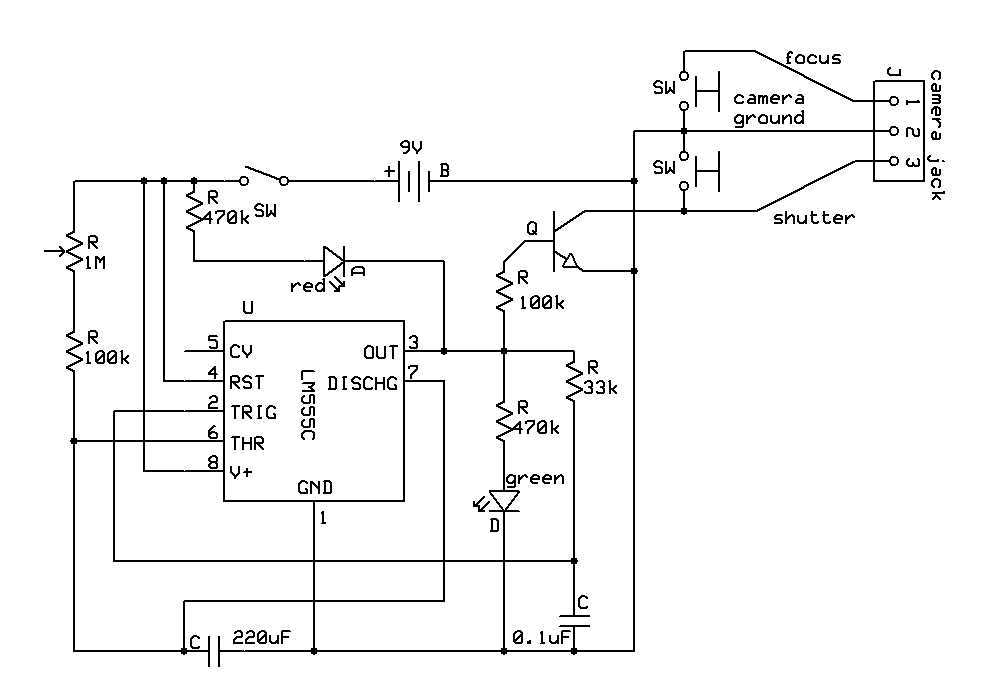
Locate the voltage supply first and track the path toward ground while following each connection line across the circuit drawing. Power sources usually appear as battery symbols, DC supply blocks, or AC input terminals placed near the top or left side of the page.
Recognize common supply indicators used in electrical circuit illustrations:
- Battery symbol with long and short parallel plates
- DC supply marked with +V or VCC
- AC input terminals labeled L and N
- Power rails drawn as horizontal lines across the page
Ground points provide the return path for current. They appear as symbols with three descending horizontal lines, a triangle pointing downward, or a chassis reference sign. Every current path must eventually connect to one of these reference points.
Track current direction using a simple sequence:
- Start at the voltage source symbol
- Follow the connection line through switches or control elements
- Continue through the load such as a motor, lamp, or relay coil
- Finish at the ground reference symbol
Observe polarity markings placed near components. A plus sign indicates the higher potential side of a circuit, while minus symbols or ground marks indicate the return path.
Arrows on certain circuit illustrations show signal or current direction in control paths. These arrows help follow signal flow across amplifiers, logic circuits, or relay control lines without confusion.