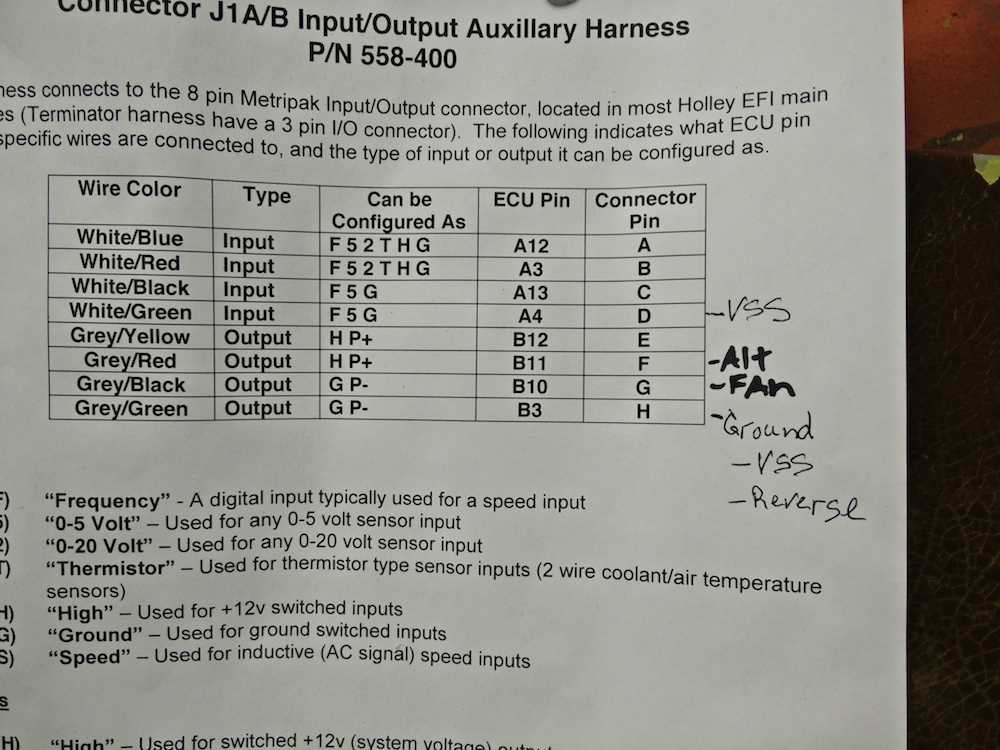
Connect all analog and digital sensor lines to their designated terminals on the control unit, ensuring correct polarity and secure contact. Use 18–20 AWG cables for short runs and shielded leads for lengths exceeding 2 meters.
Verify actuator voltage ratings against the controller output specifications. Relays and drivers should handle at least 20% more current than the expected load to prevent overheating and signal dropouts during operation.
Label each terminal and signal path clearly before making connections. This reduces errors during setup and simplifies future maintenance or troubleshooting procedures.
Check sensor feedback with a multimeter or diagnostic tool to confirm proper readings before activating the main engine management functions. Inaccurate inputs can cause misfires, idle instability, or incorrect fuel delivery.
Test all switches, relays, and actuators individually prior to full system integration. Observe response times and ensure mechanical or electronic components operate within specified tolerances.
Separate low-voltage signal paths from high-current lines to reduce electromagnetic interference. Route ground connections carefully to avoid ground loops that can distort sensor feedback.
Document connection layouts and readings after initial setup. Maintaining an accurate reference helps prevent repeated diagnostic errors and speeds up tuning or future modifications.
Engine Management Sensor and Actuator Connections
Attach each signal source to the corresponding terminal on the control unit, confirming correct orientation and secure contact. Use shielded lines for analog sensors and maintain separation from high-current cables to prevent signal interference and inaccurate readings.
Check all actuator specifications against the controller output capacity. Include a 20% margin above expected load for relays and drivers to prevent overheating, and ensure all ground points are clean and solid to maintain stable operation under varying engine conditions.
Identifying and Connecting Sensor Signals to the ECU
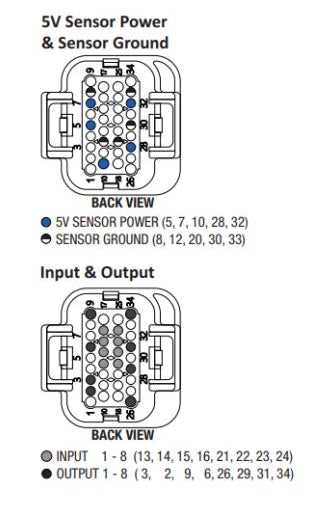
Label each sensor before installation to avoid confusion during connection. Assign digital and analog signals to their designated terminals on the control unit, ensuring correct polarity and secure contact for consistent readings.
Use shielded or twisted pair leads for analog sensors, especially for runs longer than two meters. Keep these lines separated from high-current cables to reduce electromagnetic interference that can distort data and trigger false responses.
Verify sensor specifications against the ECU input range. Thermistors, pressure sensors, and position senders must operate within the voltage and current tolerances of the control module, otherwise signal scaling or protection resistors are required to prevent damage.
Test each connection individually with a multimeter or diagnostic tool before full integration. Confirm accurate readings at idle and under simulated operating conditions, and adjust placement or shielding if fluctuations or noise are observed.