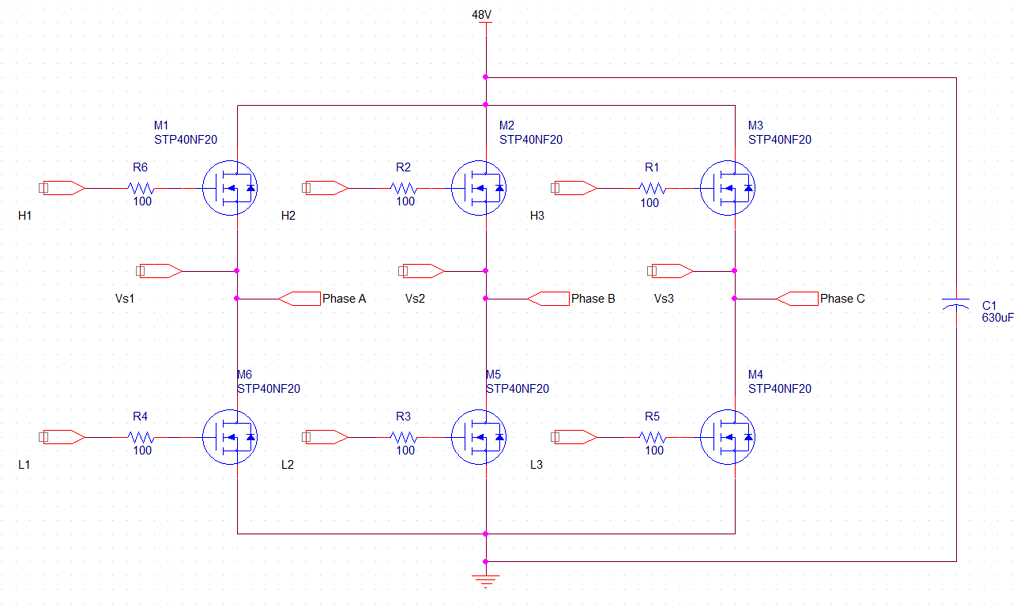
Start by selecting the correct components needed to control a brushless system. You will need a proper controller, typically with Hall sensors, as well as capacitors, transistors, and resistors. Each of these components plays a role in ensuring the system runs smoothly, with the controller directing the power flow and adjusting based on the feedback from the sensors.
Next, ensure that you wire the components correctly to achieve optimal performance. The power source should be connected to the controller, while the transistors switch the power to the coils, with the sensors providing feedback. If the wiring is done incorrectly, the system may not run as expected or may even cause damage to the components.
Finally, it’s important to check for common issues such as improper feedback, incorrect wiring, or component failure. If the setup doesn’t perform as expected, inspect each connection and ensure that all components are in working order. Proper troubleshooting will help ensure long-term performance and avoid costly repairs.
Brushless Motor Controller Circuit Design
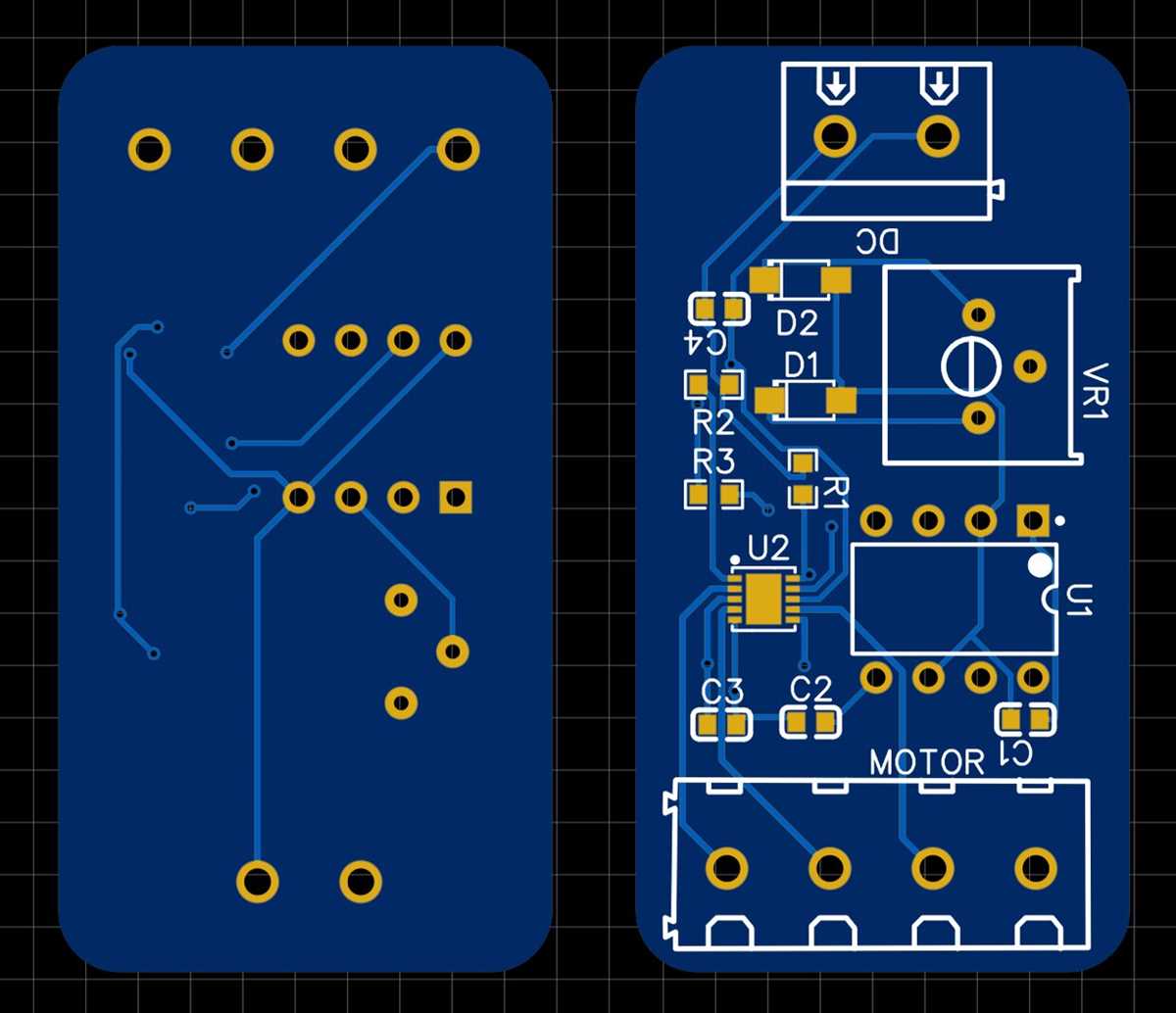
Start with choosing the correct power supply for the system. Ensure that the voltage rating matches the requirements of the setup. A typical power supply for such a system operates at 12V to 48V, depending on the motor’s specifications. The power source should also have adequate current rating to handle the maximum current draw, especially under load.
Next, select the appropriate controller that can handle the switching of the phase coils. The controller needs to have enough power handling capabilities and must be compatible with the Hall sensors used for feedback. This component will manage the timing of the switching sequence, controlling the rotational movement by energizing each coil in the right order.
Connect the power source to the controller, ensuring correct polarity. Double-check the voltage input to avoid damaging sensitive components. Incorrect polarity could lead to failure of the system, so make sure the wiring is checked and verified using a multimeter before powering up.
Integrate Hall effect sensors into the design to detect the position of the rotor. These sensors will provide feedback to the controller, enabling it to adjust the power sent to the coils in real-time. This feedback mechanism is crucial for maintaining smooth operation and efficient power usage.
Use MOSFETs or similar transistors to switch the power to the coils. These components are necessary because they allow for fast and efficient switching of high currents. The MOSFETs will receive control signals from the controller and, in turn, power the motor coils with precise timing.
For better efficiency and smoother operation, include a capacitor bank to filter out voltage spikes and provide stable power to the system. Capacitors will smooth the current flow, preventing surges that could damage components. This is especially important in high-speed applications where voltage fluctuations can occur.
Once the basic components are in place, run through an initial testing phase. Without a load on the motor, test the voltage levels, current draw, and the switching sequence of the components. Ensure that the system operates at the expected speed and that the controller responds to the Hall sensor feedback appropriately.
If the system runs smoothly, integrate the load and check the system’s performance under varying loads. Adjust the controller parameters, if needed, to optimize the motor’s efficiency and response. Always monitor the components for heat buildup, and ensure they are within safe operating ranges.
Components Required for Building a Brushless Motor Controller
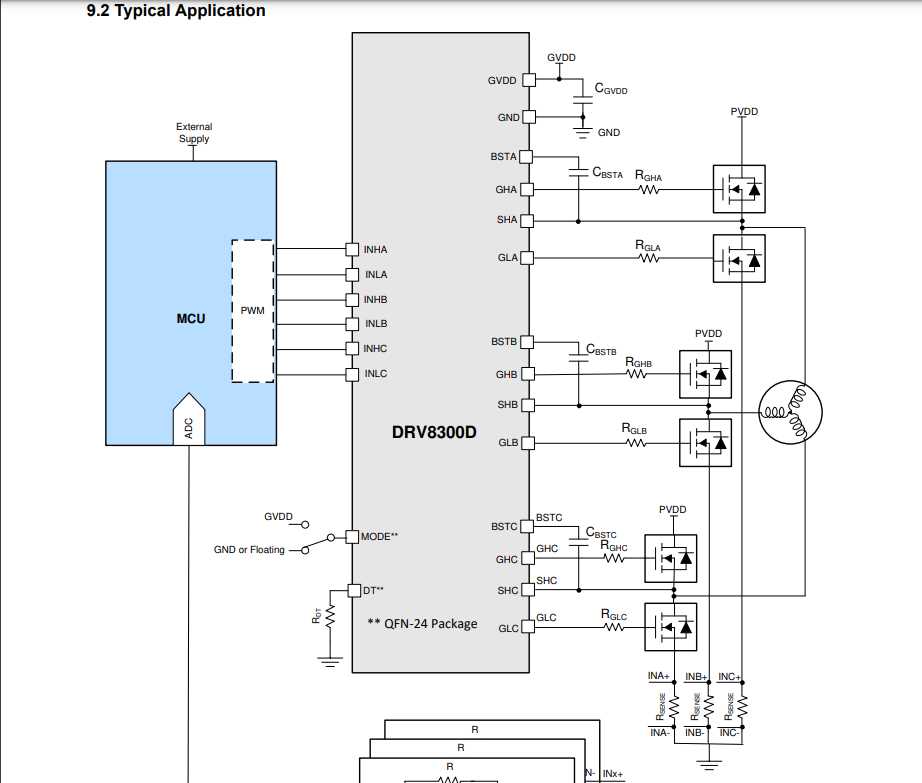
The first component you will need is a power source. A stable and reliable power supply is crucial for the system’s operation. Typically, these systems operate at voltages ranging from 12V to 48V, depending on the power requirements of the system. Make sure that the power source has a sufficient current rating to supply the motor’s peak load without causing voltage drops or overheating.
The second essential component is the controller or switching unit. This device is responsible for managing the timing of the current flow through the motor windings. It controls the sequence in which the coils are energized, allowing the rotor to turn smoothly. A microcontroller or dedicated integrated circuit (IC) is typically used for this purpose.
Next, you will require MOSFETs or IGBTs (Insulated-Gate Bipolar Transistors) to control the high-power switching of the motor. These components are used for fast switching and can handle the large currents required to energize the motor windings. Choose MOSFETs with low on-resistance to minimize power losses and heat generation during operation.
Hall effect sensors play a key role in detecting the rotor position. These sensors provide feedback to the controller, enabling it to adjust the timing of the coil energization. Typically, three sensors are used, each placed at 120° intervals around the rotor. They provide the position information needed for precise timing and smooth operation.
Capacitors are required for filtering the power supply to prevent voltage spikes and ensure stable operation. These components smooth out any fluctuations in the power line and protect sensitive electronic components from damage. Use a combination of electrolytic capacitors for bulk capacitance and ceramic capacitors for high-frequency filtering.
A heat sink or cooling system will be necessary to dissipate the heat generated by the power components, especially the MOSFETs and the controller. High currents can cause significant temperature increases, so ensure the system has adequate cooling to maintain a safe operating temperature. The heat sink should be mounted to the power devices to draw heat away effectively.
Protection diodes are important for safeguarding the system from back-EMF (electromotive force). These diodes are placed across the motor windings to protect the components from voltage spikes that occur when the motor is decelerating. This will prevent damage to the power electronics due to inductive spikes.
Finally, connectors, wiring, and a suitable PCB (Printed Circuit Board) are required to assemble all the components together. Make sure to use connectors rated for high current to prevent overheating or failure. Properly designed and routed PCBs will ensure that the system remains stable and reliable during operation.