Begin by identifying the low-voltage transformer and confirming it matches the chime unit’s voltage rating, typically 16 to 24 volts. Use a multimeter to verify output before attaching any wires.
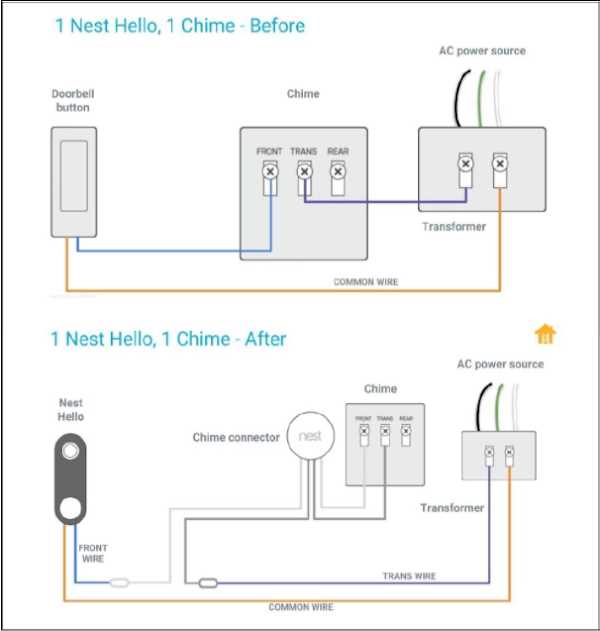
Label each conductor according to its role, such as power, button, or chime terminal. This prevents cross-connections that could damage components or trigger false alerts.
Secure mounting points for both the signal unit and the push button to avoid loose contacts. Ensure terminals are tight and that exposed conductors are insulated to reduce the risk of short circuits.
Test the circuit incrementally: connect the transformer first, then the button, and finally the chime box. Confirm each segment functions before completing the full setup, which minimizes troubleshooting time.
Setting Up a Chime Circuit
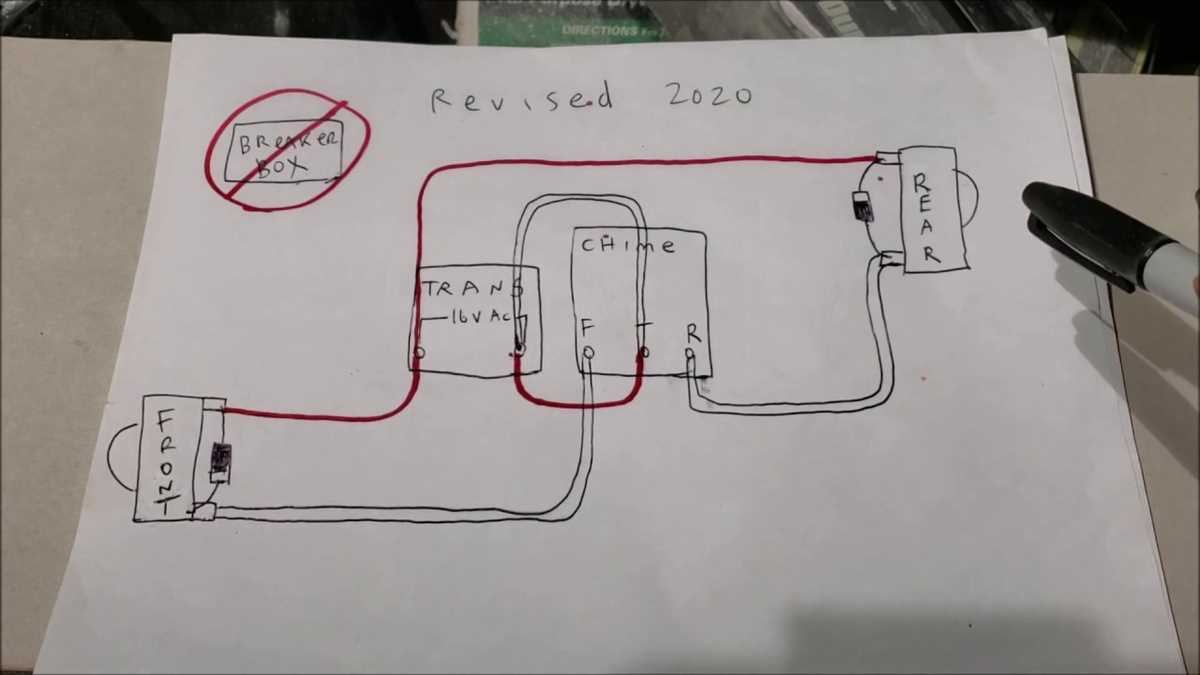
Connect the transformer directly to the main power supply while ensuring the voltage matches the signal unit’s rating, usually 16 to 24 volts. Use a voltage tester to confirm there is no live current before handling terminals. Attach the conductors to the corresponding chime terminals, keeping polarity consistent to prevent malfunction.
Organize the push button connections by following these steps:
- Run a low-voltage cable from the chime box to the button location.
- Strip the conductor ends carefully and secure them under terminal screws.
- Label each wire according to its function to simplify future troubleshooting.
- Test the button by pressing it while monitoring the chime to ensure proper signal flow.
Identifying Wires and Components in a Chime Circuit
Begin by locating the transformer unit and confirming its output voltage using a multimeter. Most residential chime systems operate at 16 to 24 volts AC, and matching this rating with the signal box prevents overheating or malfunction.
Examine the conductors running from the power source. Identify which wire delivers the positive and which returns the current. Color coding typically helps: red or black for power, white for neutral. Label each strand to avoid confusion during assembly.
Inspect the chime terminals carefully and note the markings. Common labels include “Front,” “Rear,” and “Trans.” Connecting wires to the wrong terminal can cause incomplete circuits or constant buzzing, so check the connections twice before securing screws.
Check the push button assembly. Identify which contacts close the circuit when pressed. Ensure the leads are firmly attached and the button frame is grounded if required. Loose connections here are the most frequent cause of intermittent activation.
Use continuity testing to verify each segment of the circuit. Disconnect power and test from transformer to button, then button to chime unit. This step highlights breaks or shorts in the conductors before final installation, reducing troubleshooting later.
Label and organize spare leads in the installation area. Keep excess conductor lengths coiled and insulated, and mark each segment with tags indicating its destination. This practice prevents accidental cross-connections and simplifies future modifications or repairs.