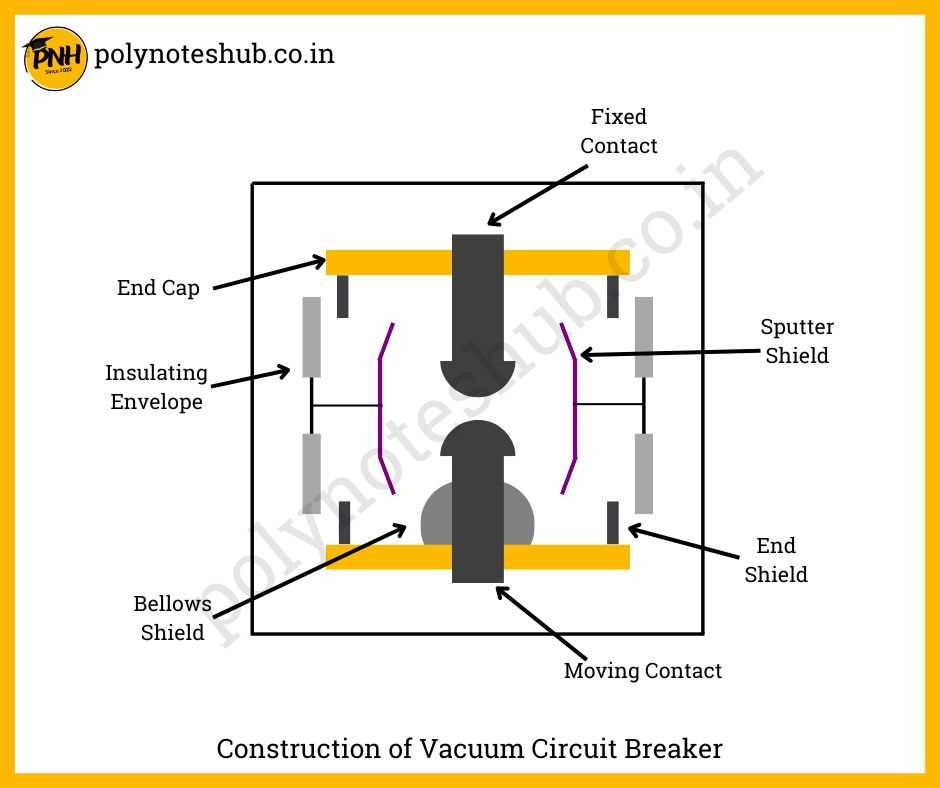
For effective electrical protection, it’s crucial to understand the layout and operation of protective components in your system. A basic representation of how these devices function helps in identifying their roles in safeguarding circuits from overcurrent and short circuits. Knowing the arrangement of contacts, switches, and trip mechanisms within a schematic allows for easier troubleshooting and better system maintenance.
In a typical setup, each component serves a distinct purpose, whether it’s detecting faults, interrupting power, or indicating the status of the system. The arrangement of these elements in the schematic enables technicians and engineers to quickly pinpoint the location of a fault, ensuring a quicker resolution and minimizing downtime.
Focusing on the key elements such as the contacts, the moving parts, and the reset mechanisms is critical. Each part’s connection in the overall electrical flow can impact the reliability of the protection system, making it vital to understand their configuration and how they interact under fault conditions.
Understanding the Basic Layout of Protection Devices
To identify how a protection unit functions, start by familiarizing yourself with its layout. In a typical schematic, you’ll notice key components such as the contacts, the moving mechanism, and the trip mechanism. The contacts are responsible for either allowing or interrupting the flow of current. The movement of these contacts is controlled by internal springs or solenoids, which are activated when an overload or short circuit occurs. Understanding their placement in the circuit is vital for troubleshooting and maintenance.
Key Functional Elements in the Protection System
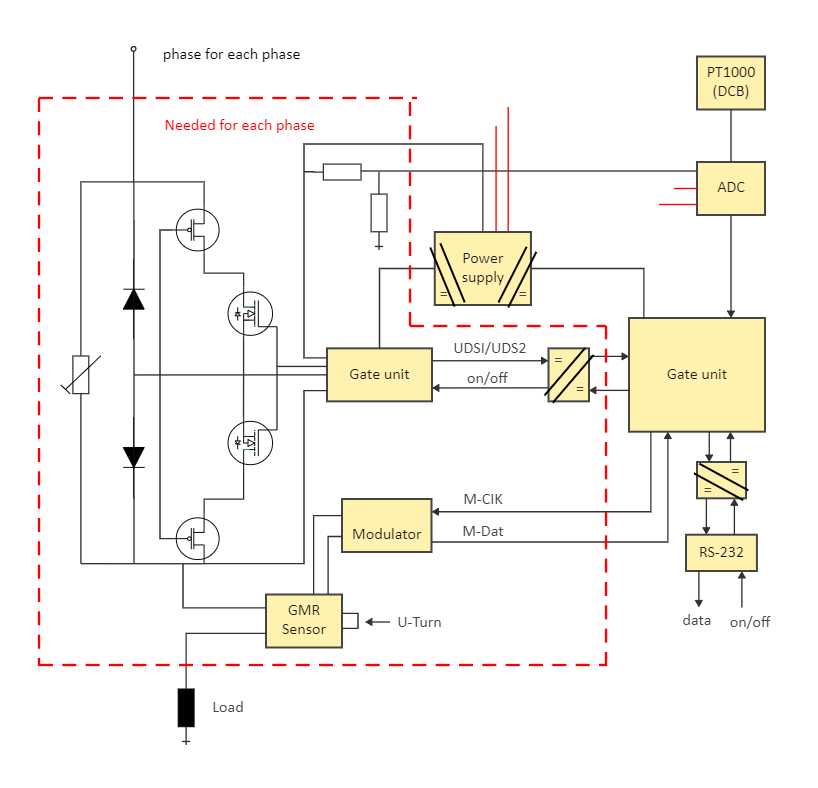
The internal trip unit is the core element for detection. This unit monitors the current passing through the system and trips the switch if an abnormal condition is detected, such as an overload. The reset function is another critical part, which allows you to restore the device to its operational state after it has been tripped. Knowing the exact arrangement and relationship of these parts helps to pinpoint where faults might occur, allowing for quick resolution without having to dismantle large sections of the system.
How to Read a Simple Protection Device Schematic
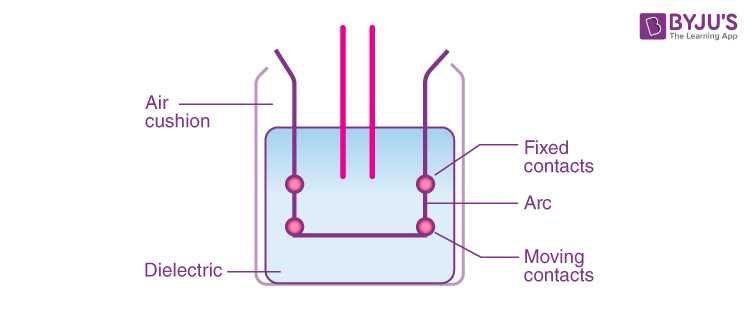
Start by identifying the main components in the layout. Look for the switch, contacts, and the control mechanism, as these are the core elements responsible for the protection. The switch is often represented as a simple break in the line, while the contacts are drawn as closed or open based on their position. These symbols indicate whether the current path is intact or interrupted.
The control mechanism, usually a spring or solenoid, is also marked in the schematic. This component activates the switch when an abnormal condition is detected. It’s important to trace the electrical path to understand how these components work together to interrupt or allow current flow.
Next, examine how the tripping unit is represented. Typically, the trip unit is connected to the contacts and is often marked with a specific symbol or notation indicating its function. This part of the schematic is crucial for understanding how the system responds to overcurrent or short circuit conditions. Look for markings such as “overload” or “trip” near the relevant components.
Once you have identified the core parts, check for additional symbols indicating auxiliary functions. For example, the reset button or manual control switches might be represented as separate elements in the diagram. These components are often placed in a parallel configuration with the main switch and are used to restore normal operation after a trip.
- Look for labels or annotations explaining specific conditions like overload or short-circuit detection.
- Note the power source connections, as they provide context for understanding the flow of current through the system.
Lastly, familiarize yourself with the direction of current flow and how it is impacted by the device. The direction is often marked by arrows, showing how the current travels and where interruptions can occur. By following this path, you can better understand how the system protects the circuit from faults.