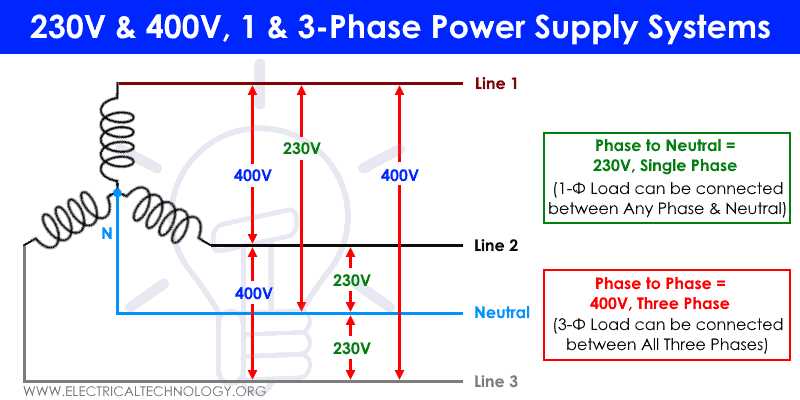
If you are planning to install or troubleshoot a three-phase electrical system, it is crucial to understand the specific wiring methods and safety protocols involved. Begin by ensuring that all components are rated for the correct voltage and current, as using incompatible equipment can result in malfunction or even electrical hazards. Proper installation and maintenance will increase system reliability and efficiency, minimizing the risk of power failures or equipment damage.
Make sure to use high-quality connectors and wiring to ensure a stable connection, which is vital for long-term operation. Correctly identifying the line and neutral connections, as well as adhering to the right grounding practices, is a key factor in preventing accidents. Always check that the power supply is disconnected before starting any work on the system.
In addition, following local electrical codes and regulations is a must. These guidelines provide a standardized approach to system setup, ensuring not only the safety of those handling the equipment but also compliance with the law. Properly labeling wires and circuit breakers will also simplify troubleshooting and future upgrades, making your electrical network more manageable in the long term.
220V 3 Phase Electrical System Setup Guide
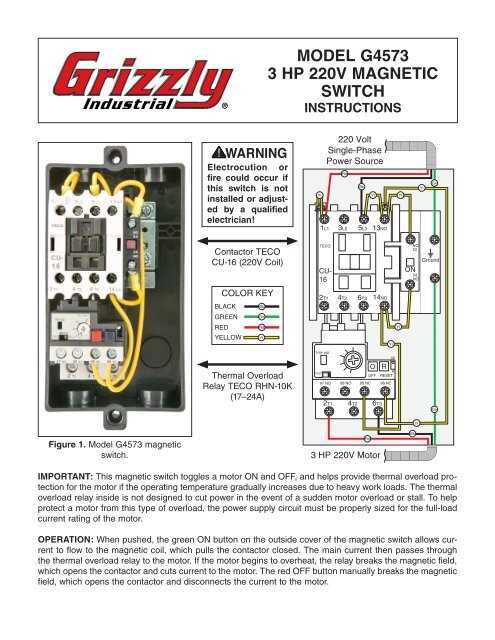
Before starting any installation, make sure the power is completely disconnected. Verify that all switches and breakers are off to prevent any risk of electrical shock. Always use appropriate protective equipment, such as insulated gloves and safety glasses, when working with electrical systems.
Identify the necessary components for your setup. You will need a three-phase power supply, correct gauge wiring, breakers, and a suitable distribution panel. Ensure that each component is rated for the intended load and voltage requirements. Using incompatible parts can result in overheating or failure of the entire system.
The first step in the installation is to properly connect the supply lines to the distribution panel. The supply lines should be clearly marked to distinguish between the different phases and neutral wire. Proper identification of each wire is vital for the correct operation of your system.
Correct Sizing of Wires
The gauge of the wiring used is determined by the total current your system will be drawing. For 220V systems, a thicker wire may be required to safely handle higher loads. Always refer to local electrical codes and the equipment manufacturer’s specifications to select the proper wire size for both safety and performance.
Grounding and Neutral Wiring
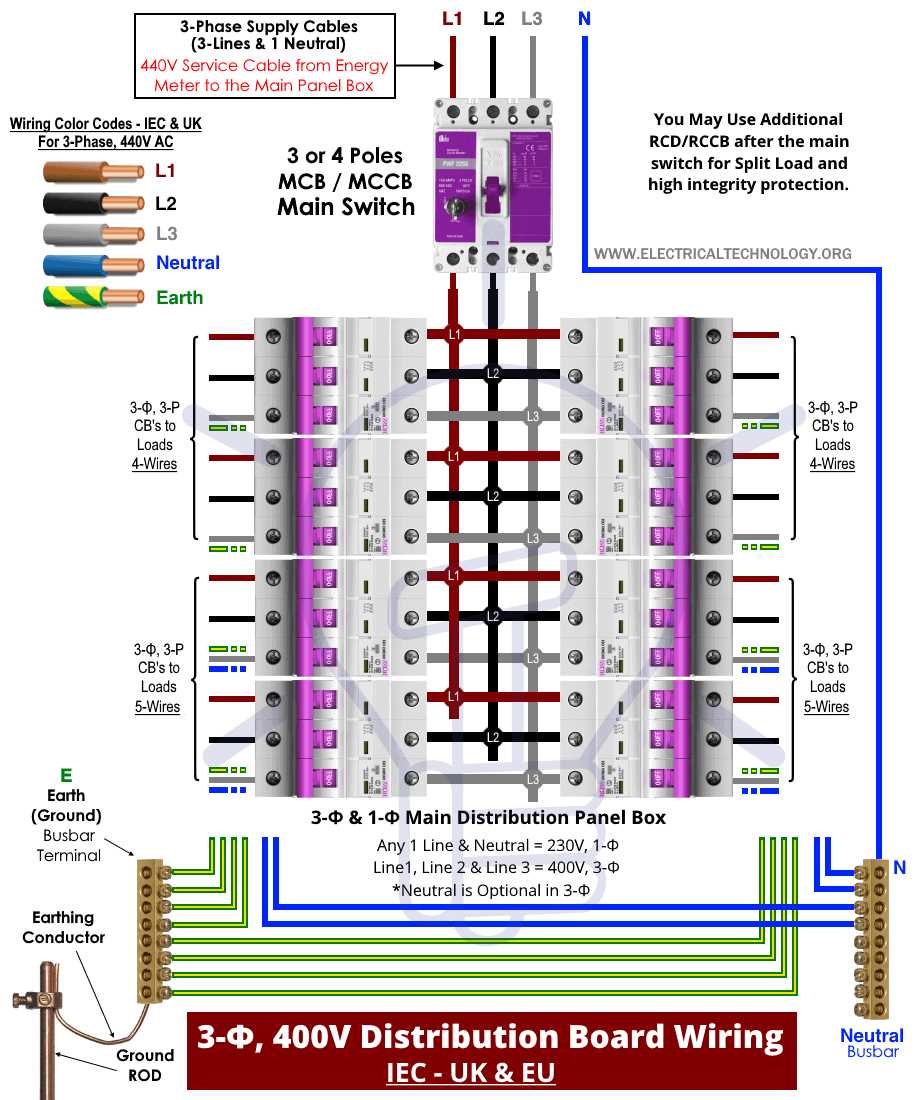
Grounding is critical in ensuring safety. Connect the ground wire to the grounding system of the building to prevent electrical shock. The neutral wire should be connected to the center of the distribution panel, ensuring a balanced load across the system. Verify that the grounding system is free from corrosion and has no loose connections.
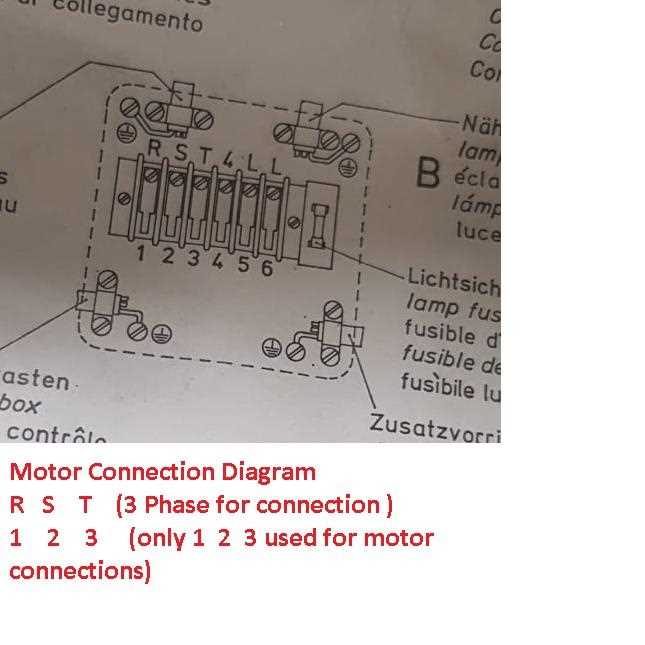
When connecting the system to any equipment, use suitable terminal blocks and connectors to avoid loose or faulty connections. These can cause sparks, overheating, or even fires. Regularly inspect these connections for signs of wear or damage.
Lastly, test the system once the connections are made. Use a multimeter to check for correct voltage across the phases and neutral wire. Also, ensure that each breaker is functioning as expected. If there are any abnormalities, troubleshoot by checking the integrity of each connection before proceeding with the system’s operation.
Once your setup is complete and the system is functioning correctly, keep a detailed log of the installation and any maintenance performed. This log will be useful for troubleshooting in the future and can help ensure the system operates smoothly for years to come.
Understanding the Basics of 220V 3 Phase Electrical System
A 220V three-phase system consists of three separate alternating currents that share a common frequency and amplitude but are offset by 120 degrees. This type of electrical system is commonly used in industrial settings due to its ability to provide more power with greater efficiency compared to single-phase systems. Each phase carries a specific current that is distributed evenly across the system, providing stable and reliable power delivery.
To install and troubleshoot such a system, it is crucial to understand the key components: the power supply, the distribution panel, the load devices, and the proper connections between these elements. Each phase must be connected to the correct terminals in the distribution panel, and the neutral wire should be properly grounded. Ensuring the correct voltage readings and phase balance will maintain system stability and prevent equipment damage.
Proper wiring and load balancing are vital for ensuring that no single phase is overloaded, which can cause equipment malfunction and reduce system lifespan. A balanced load ensures that the system operates optimally and avoids unnecessary strain on any individual circuit. Using a multimeter to regularly check voltage and continuity will help identify potential issues early on, preventing major failures in the long run.