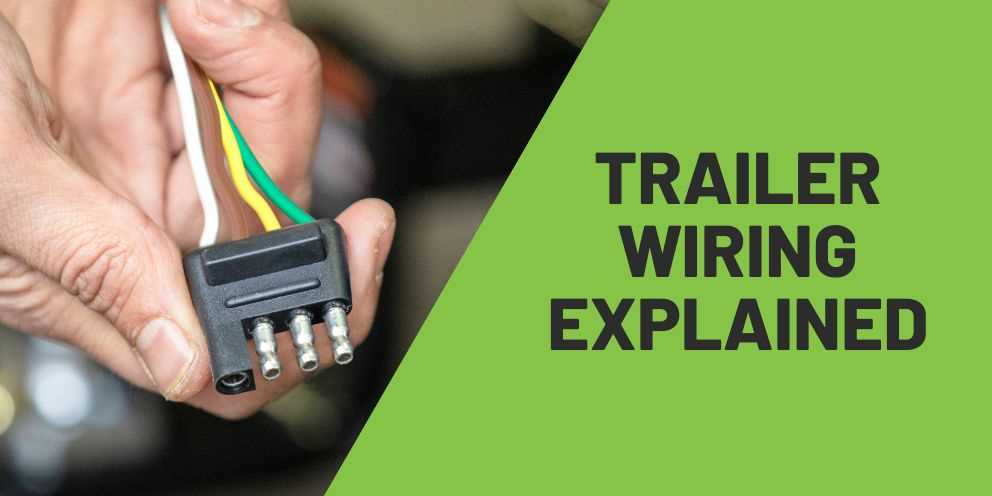
Start by matching wire colors to their functions. Typically, brown handles tail and marker lights, yellow controls left turn signals, green manages right turn signals, and white serves as the ground. Confirm each connection with a multimeter before final assembly to prevent shorts or faulty signals.
Secure connectors and keep contacts clean. Corrosion or loose connections can cause intermittent lighting failures. Apply dielectric grease to metal surfaces and ensure wires are routed away from moving parts or heat sources to maintain consistent performance.
Label each wire and connection point on both the towing vehicle and attached unit. This helps with future inspections, repairs, or modifications. Clear labeling also reduces confusion when testing for continuity or verifying signal flow during operation.
Test the system after installation by activating all lights individually and observing responses. Check left and right indicators, running lights, and brake signals. Troubleshoot any inconsistencies immediately to avoid unsafe conditions on the road.
Connecting a 4 Wire Vehicle Lighting System
Match each wire by color to its corresponding function. Brown wires handle running lights, yellow controls left turn signals, green manages right turn signals, and white serves as the ground. Double-check connections with a multimeter to ensure proper continuity before securing the harness.
Secure all terminals firmly to prevent loosening during travel. Use crimp connectors or soldered joints covered with heat shrink tubing to protect against vibration and moisture. Avoid routing wires near exhaust components or moving parts to prevent damage.
Testing and Verification
Test all functions individually after installation. Activate left and right indicators, brake lights, and running lights while observing each lamp. Any flickering or failure indicates a loose connection, corrosion, or misrouted wire that requires immediate correction.
Label both ends of the harness for quick identification during maintenance. Include wire colors and functions on tags or heat-shrink labels to reduce confusion during inspections or repairs. This practice improves safety and speeds up troubleshooting.
Maintenance Tips
Periodically inspect connectors and wires for wear, corrosion, or frayed insulation. Clean contacts with a non-abrasive solution and apply dielectric grease to improve conductivity. Regular checks ensure consistent operation and prevent unexpected signal failures on the road.
Identifying Wire Colors and Their Functions
Match each wire to its assigned function to avoid incorrect connections. Typically, brown handles running lights, yellow controls left indicators, green manages right indicators, and white serves as the ground reference. Verify colors with a continuity tester before final installation.
Label each wire clearly at both ends to simplify future inspections and repairs. Use numbered tags or color-coded heat-shrink sleeves to indicate function, especially in longer harnesses or complex assemblies. Organized labeling reduces troubleshooting time and prevents accidental cross-connections.
Functional Overview
Use the following checklist to confirm proper assignment:
- Brown: Tail and running lights
- Yellow: Left turn signals
- Green: Right turn signals
- White: Ground or common return
Testing Procedures
Test each connection individually by applying power and observing lamp response. Check for correct brightness, flickering, or delays. Any irregularity indicates poor contact, corrosion, or misidentification of the wire, which must be corrected before use.